
Last updated November 22, 2026
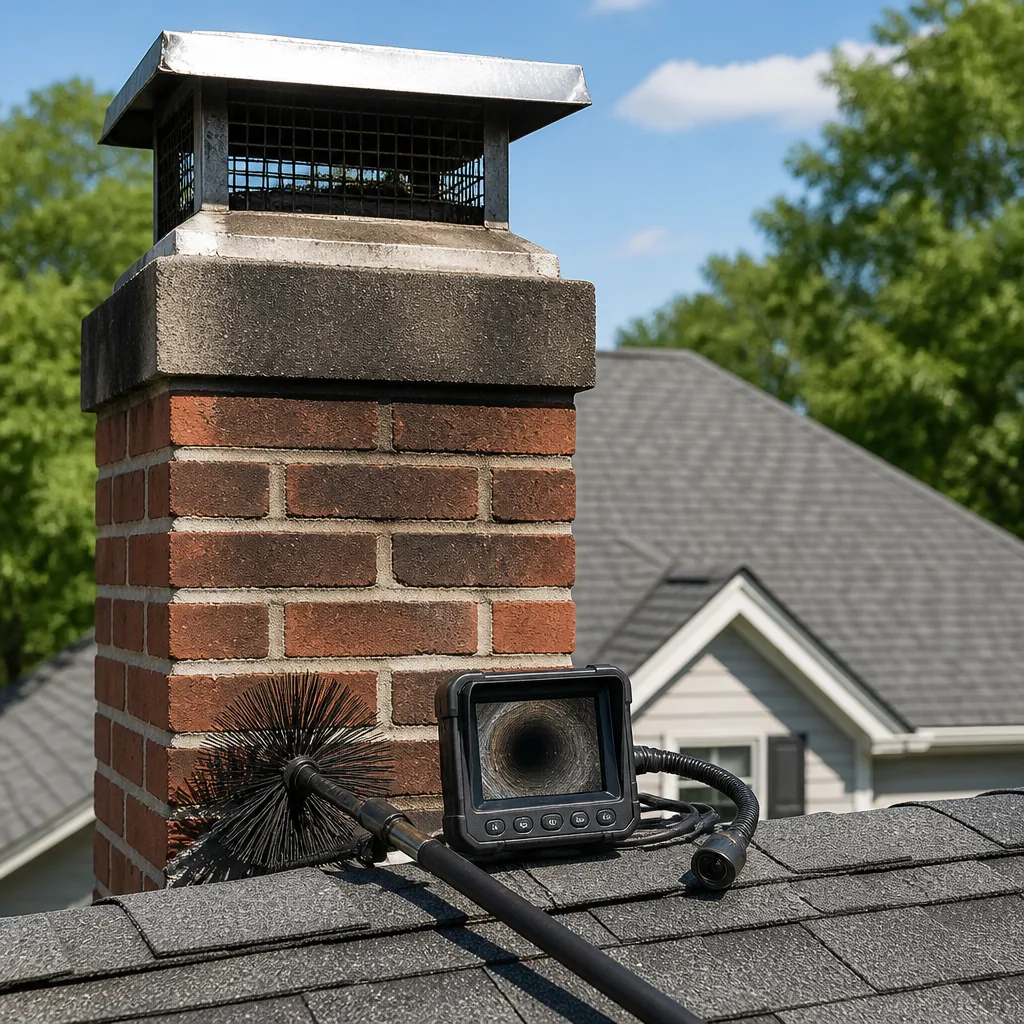 Sweep & inspection
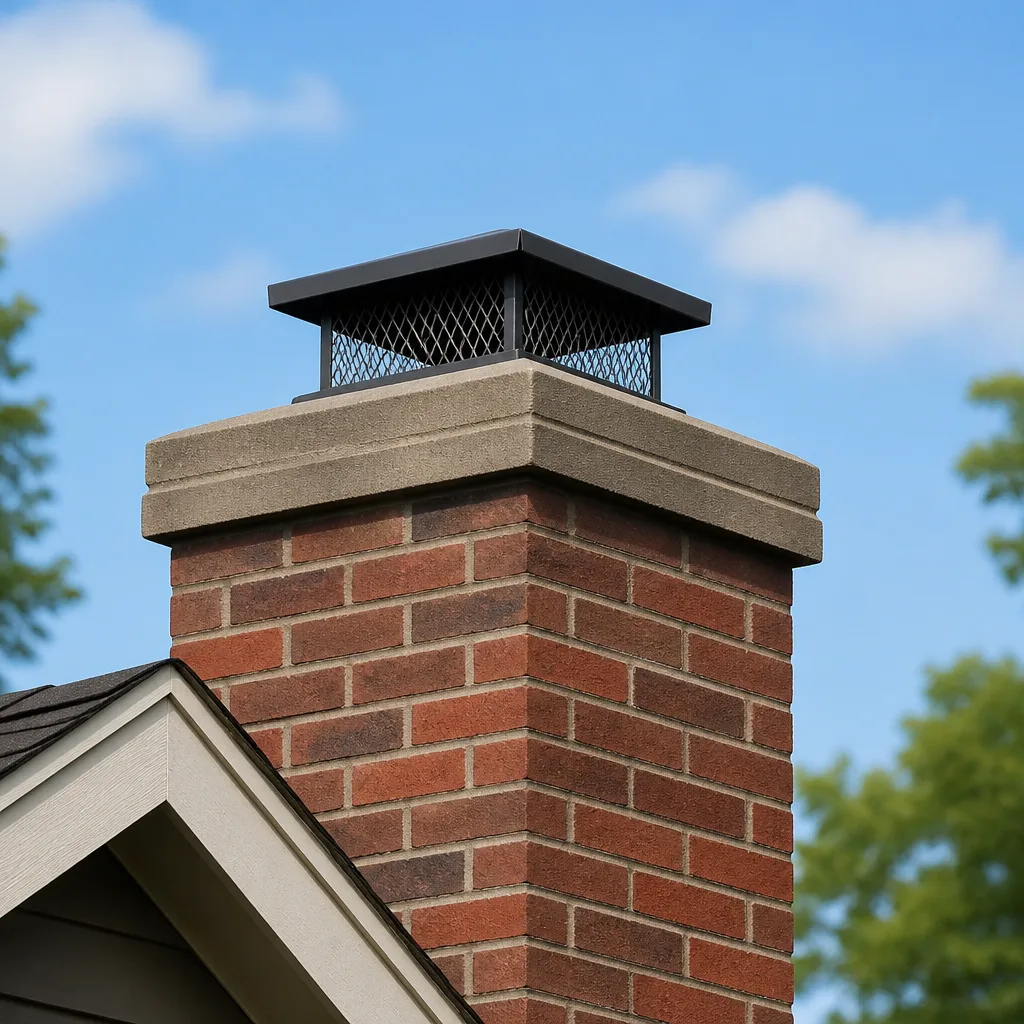 Caps & crowns
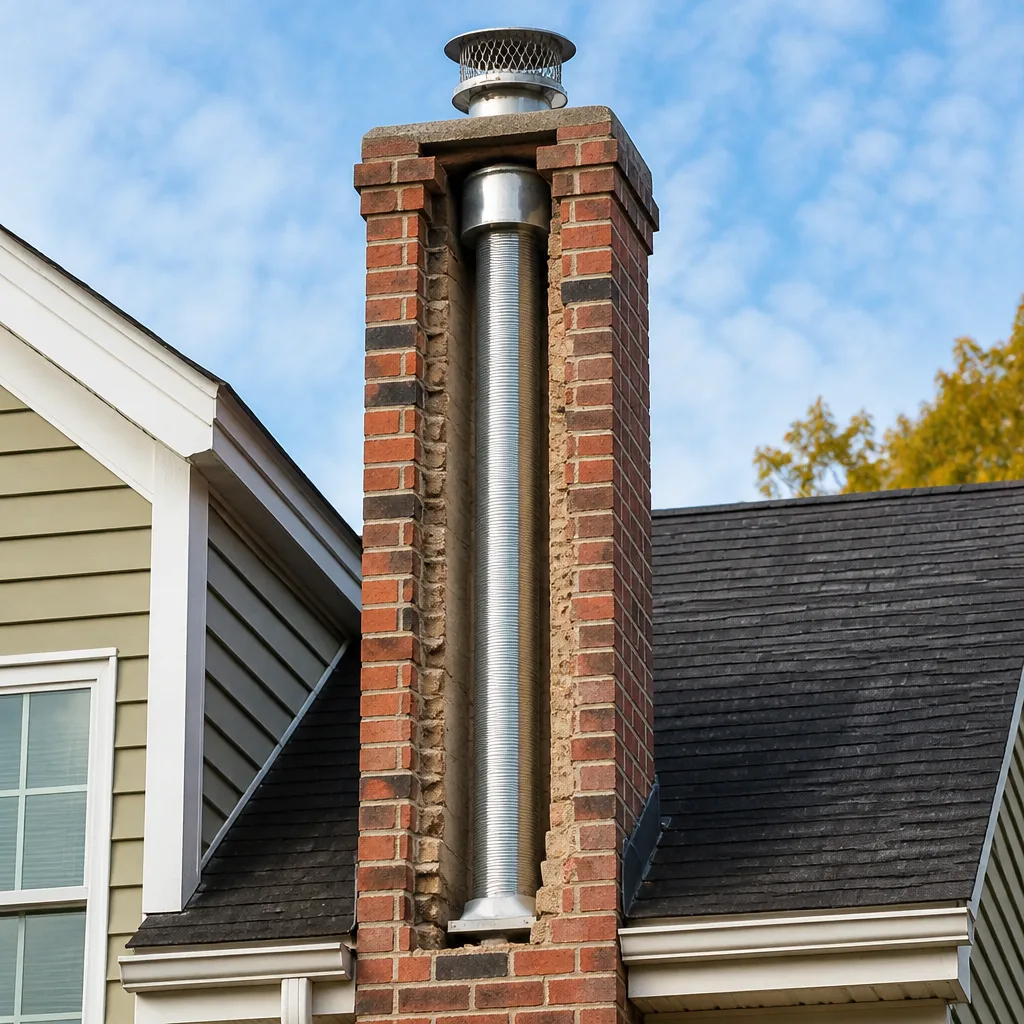 Flue relining
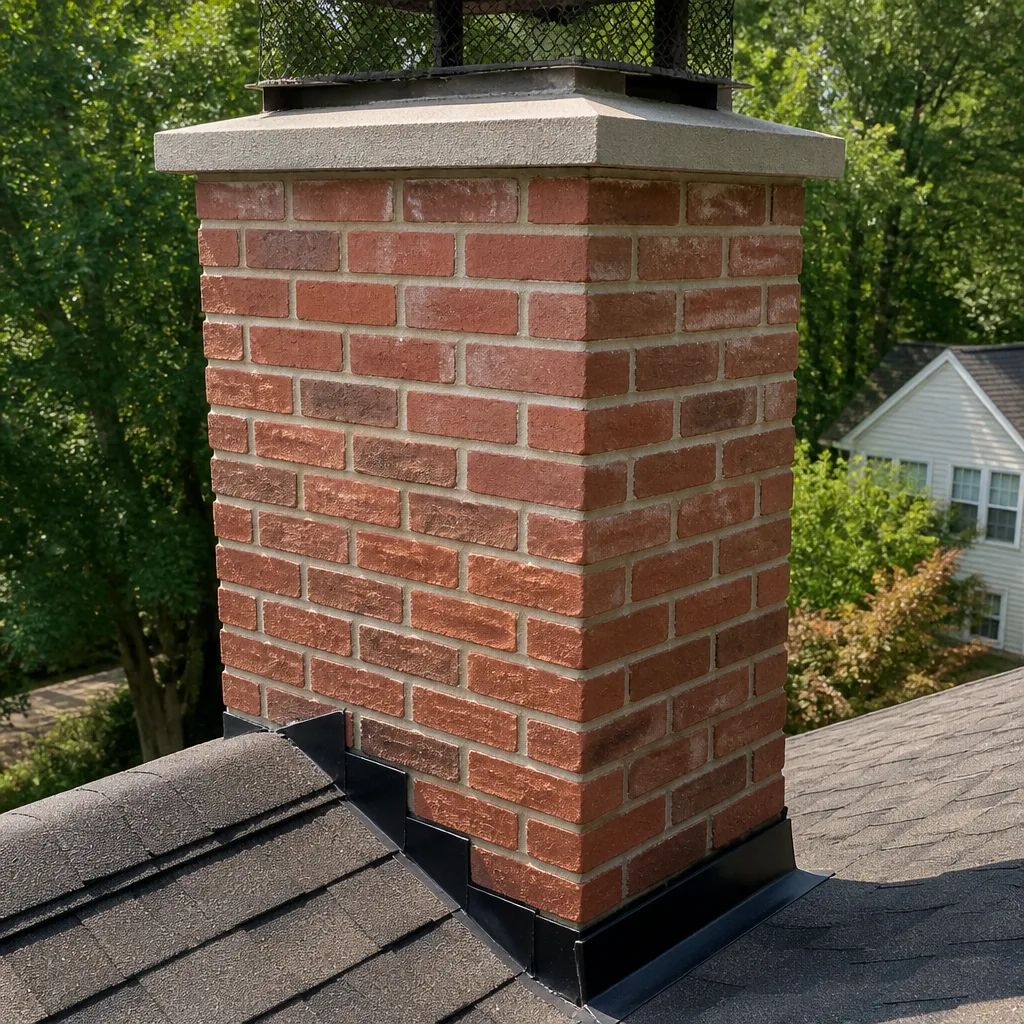 Masonry repair
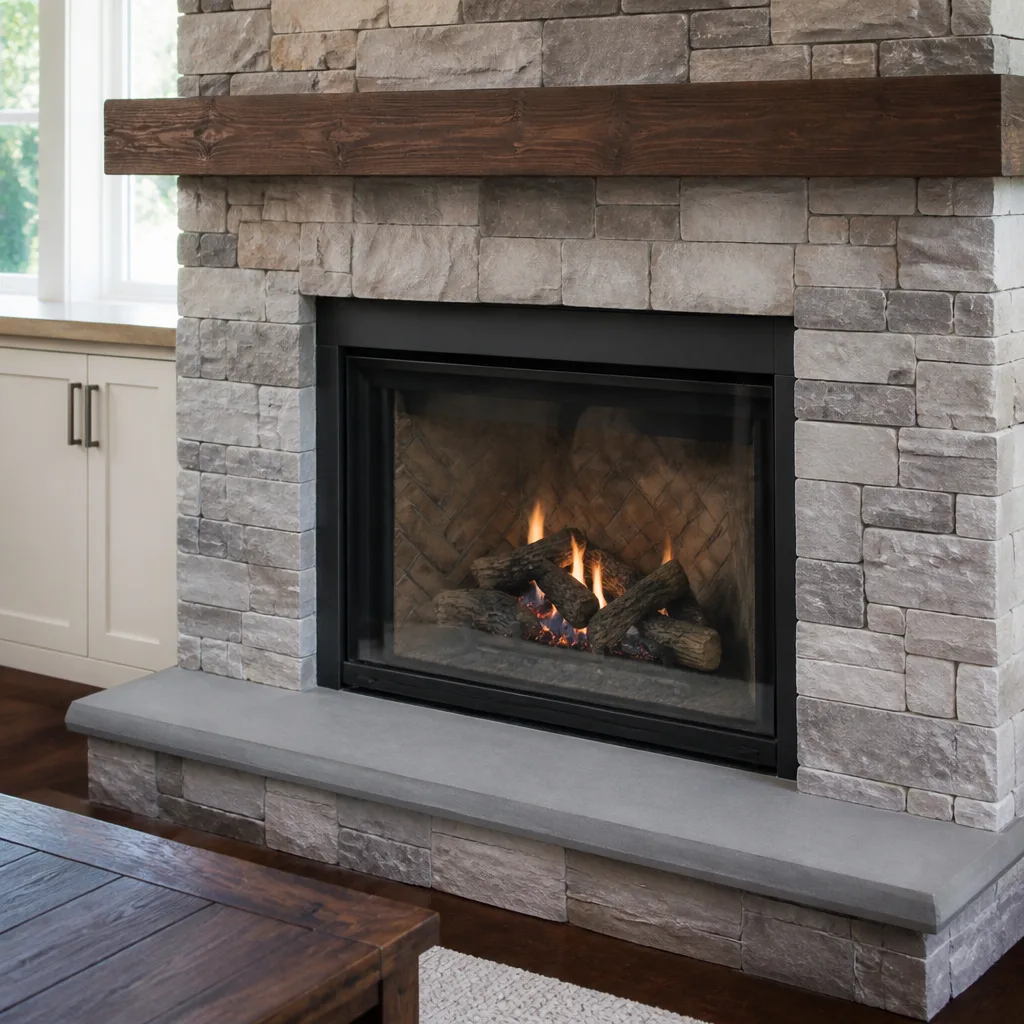 Gas fireplace service
Level 1 sweep and inspection to the NFPA 211 annual standard - flue, crown, cap, and flashing checked and photographed
Chimney sweep logs do not sweep chimneys. They loosen some creosote - which then falls where a brush and vacuum still have to collect it.
Chimney Sweep Maintenance Checklist for Bedford-Stuyvesant Homeowners
The chimney crown is the first thing to fail on a Bedford-Stuyvesant rowhouse and the last thing most homeowners ever look at. It sits above eye level behind a parapet, out of sight from the street, and a hairline crack there can saturate the entire brick chase within two winters. By the time water shows up as a stain on a parlor ceiling or crumbling mortar in the attic, the damage has been working quietly for a season or more. Most chimney checklists stop at the flue. This one starts at the roofline and works down through the parts of a brownstone or brick rowhouse chimney that actually fail: the crown, the corbeled offsets, the exterior parging, then the smoke chamber, damper, and firebox inside. You’ll learn what to check, when in the year to check it, what you can see yourself versus what needs a professional’s camera, and which problems mean stop using the fireplace today versus watch until spring.
Styles & brands we work with
- Sweep & inspection
- Caps & crowns
- Flue relining
- Masonry repair
- Gas fireplace service
Quick Answer
A chimney maintenance checklist for a Bedford-Stuyvesant homeowner should cover the system from the crown down: inspect the crown and exterior brick from the roofline in late spring or summer, check the smoke chamber, damper, and firebox from inside, and book a professional sweep and inspection before the heating season starts. Summer inspection catches the water damage that winter heating turns into a costly repair. Address cracked crowns, loose mortar, and blocked flues before the first cold snap, and document everything with photos and measurements so you can track change year over year.
Table of Contents
- Why a Bedford-Stuyvesant Chimney Checklist Looks Different
- The Roofline-to-Firebox Inspection Sequence
- Seasonal Timing: When to Check What, and Why
- What You Can Inspect Yourself vs. What Needs a Professional
- Documenting Chimney Condition Year Over Year
- Red-Line vs. Yellow-Line Items
- What Professional-Grade Materials Actually Mean for Your Chimney
- Common Mistakes to Avoid
- When to Call a Professional
- Frequently Asked Questions
- The Bottom Line
Why a Bedford-Stuyvesant Chimney Checklist Looks Different
Bedford-Stuyvesant is one of the largest collections of 19th-century rowhouses in the country, and that housing stock shapes what goes wrong with a chimney here. These are masonry chimneys built into brick walls, often with corbeled offsets where the chase steps out or narrows as it rises. The brick itself is usually soft by modern standards, and the mortar joints have had well over a century of freeze-thaw cycles. That combination means the exterior of the chimney ages faster than the flue inside it, and the failures you’ll actually see are structural and water-driven, not just soot and creosote.
The other local factor is the shared wall. Most Bedford-Stuyvesant rowhouses share a party wall with the neighbor, and the chimney chase often runs up through or against that wall. Water that gets into your crown can track sideways into the brick and show up in a neighbor’s unit or in your own top-floor rooms. Not every rowhouse has an active wood-burning flue anymore; some have been converted to gas inserts, some have capped-off flues from an old boiler, and some have chimney breasts that were partially removed decades ago. The condition of the chimney varies building to building on the same block, which is why a checklist has to be worked through systematically rather than assumed.
The climate matters too. New York’s winters bring repeated freeze-thaw cycles, and saturated brick that freezes and thaws expands and spalls. A crown crack that stays dry through summer can open up and take on water in a single wet fall, then freeze and push the damage wider. That’s the reason this checklist leans toward summer inspection: you want to find water damage while the chimney is dry and the fix is still small. Chimney Sweep Bedford-Stuyvesant works with the full system this way, crown and cap included, because the parts that fail here aren’t only the ones you sweep.
The Roofline-to-Firebox Inspection Sequence
Work through the chimney in a fixed order, top to bottom, every time. A repeatable sequence keeps you from skipping the parts that are inconvenient to reach, and it makes year-over-year comparison possible. Here is the order we use, with what to look for at each stage specific to aging rowhouse masonry.
- Roofline and chimney top. Start at the highest point. Look at how the chimney meets the roof, the flashing, and whether the chimney is straight and plumb. On a rowhouse with a parapet, check that the chimney isn’t leaning or separated from the party wall.
- The crown. The crown is the concrete or mortar cap on top that sheds water away from the brick. Look for hairline cracks, crumbling, a crown that has pulled away from the flue, or a flat crown that lets water pool instead of running off.
- Exterior brick and mortar joints. Check for spalling brick faces, missing or recessed mortar, white efflorescence staining (a sign of water moving through the masonry), and any corbeled offset that has started to shift or shed pieces.
- Parging and the chimney sides. Parging is the protective coat over the brick. Look for it flaking, blistering, or gone entirely, especially on the weather-facing side and around the offsets.
- Chimney cap. If there’s a cap, check that it’s intact, properly sized, and that its mesh isn’t rusted or clogged. A missing or damaged cap lets water and animals straight into the flue.
- Smoke chamber. Inside, above the damper, the smoke chamber is where smoke slows and swirls before it exits. Look for rough, crumbling parging and gaps where the chamber meets the flue.
- Damper. Open and close it by hand. It should move freely, seal reasonably when closed, and not be rusted open or stuck.
- Firebox. Check the firebrick and mortar joints for cracks, gaps, or loose bricks, and look for any breakdown in the firebox walls.
- Flue. From the firebox looking up, check what you can see of the flue for heavy creosote, glazing, blockages, or an unlined flue. The full flue needs a camera to assess properly.
That sequence moves from the parts most exposed to weather down to the parts most exposed to fire. The exterior stages tell you whether water is getting in. The interior stages tell you whether smoke and heat are going safely up and out. Run the same order every time and you’ll spot change quickly.
Seasonal Timing: When to Check What, and Why
Timing is where most checklists fall down. People inspect the chimney in fall, right before they want to light a fire, which is the worst time to catch water damage. By fall, the damage is done and winter freeze-thaw is about to make it worse. Here’s when each part of the checklist should be worked, and the reasoning behind it.
- Late spring (after the heating season ends): exterior and roofline. Once the chimney is dry, get up top or have it inspected. A dry chimney shows cracks, spalling, and failed parging clearly. This is the window to catch water damage before it has a chance to freeze and spread.
- Summer: crown, cap, and masonry repairs. Warm, dry conditions are the right time for crown repair, repointing, and cap work. Water damage found now can be fixed before fall rain. Summer inspection is where a Bedford-Stuyvesant homeowner gets ahead of the winter.
- Early fall (before the first fire): interior and flue. Sweep and inspect the flue, smoke chamber, damper, and firebox before you start burning for the season. Creosote from last winter is still sitting in the flue and needs to come out.
- Mid-winter (between fires): quick visual checks. Look at the firebox, damper, and the top of the flue between burns. If you notice smoke backing up, unusual smells, or a damper that won’t seal, stop and have it looked at.
The logic is simple: water damage is a summer problem you solve before winter, and fire safety is a fall problem you solve before the first burn. Catch the crown in July and you save the brick chase. Skip it and winter does the rest. Bedford-Stuyvesant chimneys see enough freeze-thaw that the sequence matters, and a summer inspection with a full report is worth more than a fall sweep done in a hurry.
What You Can Inspect Yourself vs. What Needs a Professional
You can and should check some things yourself. But a chimney is one of those systems where the limitations of what you can see matter as much as what you see. Here’s the honest split.
What a homeowner can reasonably check
- Crown condition, from the roof or with binoculars from the ground. You can see cracks, crumbling, and a crown pulling away from the flue.
- Exterior brick and mortar, from the ground with binoculars or a ladder to a safe vantage. You can spot spalling faces, missing mortar, and efflorescence.
- Cap condition. You can see whether a cap is present, rusted, or missing.
- Damper operation. You can open and close it by hand from the firebox.
- Firebox condition. You can see cracks, loose firebrick, and missing mortar.
- The lower flue, from the firebox looking up. You can see obvious blockages and heavy soot. You can’t properly assess a flue by eye, though; a camera is needed for the whole run.
What needs a professional with a camera or mirror
- The full flue and smoke chamber. A camera run through the flue is the only way to see the entire lining, assess creosote levels accurately, find hidden cracks, and confirm the smoke chamber is parged properly.
- Creosote assessment. Heavy, glazed creosote looks different from a light dusting, and the difference matters for how safely you can burn. A sweep with a camera can grade it accurately.
- Liner integrity. A cracked or unlined flue is a fire and carbon monoxide risk. You can’t confirm a liner is intact without seeing the whole run.
- Structural assessment of corbeled offsets and party-wall condition. Whether a shifted offset or a crack in the chase is serious is a judgment call that needs someone who knows rowhouse construction.
The reason to split it this way is that a homeowner can monitor change and call early, but cannot confirm safety. If you spot a problem in your own checks, that’s useful information to bring to an inspection. Just don’t mistake “I can’t see anything wrong” for “the chimney is safe.”
Documenting Chimney Condition Year Over Year
Here’s the part almost no homeowner does, and the part that makes a checklist genuinely useful: record what you find, every time, so the next inspection can compare. A sweep visiting in year three benefits enormously from knowing what the crown looked like in year one. Photos and simple measurements turn a one-time inspection into a history, and a history is how you catch slow deterioration before it becomes a repair.
- Photograph the crown and roofline from a fixed spot each time. Same angle, same standpoint if you can manage it. Date the photos. Compare side by side.
- Note the size of any cracks you find. Even a rough measurement, like a hairline versus the width of a coin, gives the next inspection a baseline.
- Record the cap condition and the damper operation. “Damper sticks at three-quarter open” is useful information for the next visit.
- Photograph the firebox and the lower flue. Creosote buildup and firebox erosion are slow, and a photo history shows whether they’re progressing.
- Keep the professional inspection report. When we inspect, you get a documented assessment. Keep it and hand it to whoever looks at the chimney next.
- Note seasonal changes in smoke behavior. If smoke starts drafting poorly or the fireplace smells off in certain weather, record when and under what conditions.
Documentation also protects you when work is recommended. In our experience, half the frustration homeowners have with chimney work comes from not being able to verify what they’re told. A photo history, plus a camera inspection that shows the actual condition, lets you see the change for yourself. If someone tells you in year two that you need a full relining, you should be able to compare to year one and see the reason. If nothing has changed, the work can usually wait.
Red-Line vs. Yellow-Line Items
The hardest part of any checklist is knowing when to stop using the fireplace and when to keep watching. Here’s how we sort it. Red-line items mean stop now and don’t light a fire until the chimney has been inspected. Yellow-line items mean monitor, note them in your records, and plan to address them, usually before the next heating season.
Red-line items: stop using the fireplace
- Cracks in the firebox brick or breaks in the firebox walls. The firebox is what contains the fire. Gaps can let heat, sparks, or gases escape into the structure.
- A damaged or missing damper that won’t close. A damper stuck open is a draft and carbon monoxide path when the fireplace isn’t in use.
- Any sign of smoke or gas backing into the room. This is a draft failure or a blockage, and it needs to be looked at before you burn again.
- Heavy, glazed creosote that you can see from the firebox. Glazed creosote is the kind that fuels a chimney fire.
- A chimney that has shifted, separated from the party wall, or lost pieces of a corbeled offset. That’s a structural problem, not a maintenance one.
- A flue with no liner, or a liner you know is cracked. An unlined or damaged flue doesn’t contain the fire or the gases.
Yellow-line items: monitor and plan
- Hairline cracks in the crown. Not urgent today, but fix them in summer before fall rain. This is the most common yellow-line item on a Bedford-Stuyvesant rowhouse.
- Flaking or missing parging on one side. Monitor for progression; repoint or re-parge in the warmer months.
- Minor mortar joint recession. Keep an eye on it; repoint before it exposes the brick.
- Light soot or minor creosote in the flue. Normal between sweeps; get the seasonal sweep done before fall.
- Rust on the cap mesh. The cap is doing its job but will need attention; replace or repair in summer.
The value of this split is that it stops both mistakes: burning a chimney that isn’t safe, and spending money on something that can safely wait. The key to reading the yellow line is camera evidence. Nothing gets moved from yellow to red without a professional showing you the actual condition, and nothing gets sold as urgent without the same.
What Professional-Grade Materials Actually Mean for Your Chimney
When repair is the answer, the quality of what goes into the chimney determines how long it lasts. We supply and install only professional-grade chimney components from brands like Copperfield, Olympia Chimney, and Gelco, the same materials certified chimney specialists use. Here’s where that matters for a Bedford-Stuyvesant chimney.
For crown and cap work, a properly installed cap and a crown that actually sheds water are what protect the brick chase. We treat chimney cap & crown as a dedicated service because it’s the most common point of water intrusion, and it’s the one most frequently overlooked. For flue issues, professional-grade liners from manufacturers like DuraFlex give you a stainless system built to contain fire and gases rather than a generic substitute. And when a flue needs resurfacing rather than full relining, HeatShield ceramic restoration is a system most sweep-only companies don’t offer. It extends the working life of the flue without a full reline, and it’s a specific solution for a specific condition, not a one-size answer.
The full-system approach matters too. Inspection, cleaning, cap and crown, chimney repair, and fireplace repair are all part of the same system, so when an inspection turns up a problem, the same specialist can address it rather than you coordinating separate contractors. Start with an inspection and you know exactly what the flue needs before any work begins. That’s the order we work in, and it’s the order that protects you from being sold work the chimney doesn’t need.
Common Mistakes to Avoid
- Only checking the flue. On a Bedford-Stuyvesant rowhouse, the crown and exterior brick fail first. A checklist that never looks at the roofline misses the most common problem.
- Inspecting in fall instead of summer. Fall is when water damage shows up, not when you can catch it. By fall, winter freeze-thaw is about to make a summer problem a season-long one.
- Ignoring a hairline crown crack. A small crack lets water into the brick chase and can saturate it within two winters. It’s cheap to fix in summer and expensive once the brick has spalled.
- Burning through a red-line item. A cracked firebox or backing smoke is a stop signal. Skipping it because the fireplace “seems fine” is how small issues become fires or carbon monoxide problems.
- Letting the cap go untended. A missing or damaged cap lets water, animals, and debris straight into the flue. It’s a small part doing a big job.
- Not documenting anything. Without photos and notes, every inspection starts from scratch and nobody can see change between visits. The history is what lets you verify whether a repair is really needed.
- Skipping the seasonal sweep. Creosote builds up even from occasional fires. A fall sweep removes what’s there and lets a camera check the flue before it’s loaded with another season of buildup.
When to Call a Professional
Call when you hit a red-line item: cracks in the firebox, smoke backing into the room, a structural shift in the chimney, a liner you know is damaged, or a flue with no liner. Call when a yellow-line item has clearly progressed, like a crown crack that’s widening or parging that’s mostly gone. Call before the first fire of the season for the fall sweep and inspection, and call in summer if you’ve spotted water damage and want it fixed while the chimney is dry. And call when you want a documented assessment you can use for a real-estate transaction, insurance documentation, or your own verification. Chimney Sweep Bedford-Stuyvesant offers free estimates in Bedford-Stuyvesant and handles chimney repair and inspection as a standalone service, so you know exactly what the flue needs before any work begins. Call (855) 724-0919. We answer 24/7. Fast dispatch from 7am to 7pm, Sunday through Friday.
Frequently Asked Questions
An annual inspection is the baseline, and on an older rowhouse chimney it’s the minimum. That’s one professional inspection a year, ideally in summer for the exterior and before the first burn for the interior and flue. If a fireplace is used heavily through the winter, the flue should be swept and checked more often. The annual inspection is what catches a crown crack or a parging failure while it’s still a small fix. Call (855) 724-0919 to book an inspection and get a documented assessment.
A sweep cleans the flue and firebox; an inspection is a documented assessment of the whole system. They’re related but not the same, and a good inspection is often what tells you whether a sweep is even enough. We offer inspection as a standalone service, so you can get the assessment without being sold any work on the spot. That’s how you verify what your flue actually needs. Call (855) 724-0919 for a free estimate.
You can check some things yourself, but you can’t confirm the system is safe without a camera. Homeowners can look at the crown, cap, exterior brick, damper, and firebox, and spot obvious changes. The full flue, the smoke chamber, and the liner need a professional with a camera. Use your own checks to catch changes early and bring them to an inspection. Call (855) 724-0919 to schedule one.
Cracks or breaks in the firebox, smoke or gas backing into the room, heavy glazed creosote, a structural shift in the chimney, and a damaged or missing liner are all stop-now items. Don’t light a fire until one of those has been looked at. A hairline crown crack or flaking parging is a monitor-and-fix item, not a stop item. When in doubt, have it inspected before the next burn. Call (855) 724-0919 for an exact assessment.
Summer inspection catches water damage before winter heating reveals it. By fall, a dry crack has already taken on water from the wet season, and the first freeze-thaw pushes the damage wider. In summer the chimney is dry, cracks and failed parging are visible, and repairs can be done before the wet season. That timing is one of the reasons Bedford-Stuyvesant rowhouse chimneys benefit from a summer inspection rather than a fall scramble. Call (855) 724-0919 to book it.
You need a sound cap and crown, not just any cap and crown. Check the crown for cracks and the cap for rust and fit; a cap that’s missing or damaged lets water and animals into the flue. Cracked crowns should be repaired in summer before the wet season. We treat cap and crown repair as a dedicated service because it’s the most common point of water intrusion. Call (855) 724-0919 for a free estimate on cap and crown work.
The Bottom Line
A Bedford-Stuyvesant chimney checklist works from the roofline down, not from the flue up. On the brick and brownstone rowhouses here, the crown, exterior brick, parging, and corbeled offsets fail first, and water damage is what turns a small crack into a season-long repair. Inspect the exterior in late spring and summer when the chimney is dry, sweep and check the interior and flue before the first burn, and document what you find every year so you can see change rather than guess at it. Know your red-line items and stop burning when you hit one. Everything else is a monitor-and-plan item, and nothing gets sold as urgent without camera evidence you can see. Start with an inspection, chimney sweep, and know exactly what your flue needs. One company handles the full system, from the annual sweep to cap, crown, and repair.
Chimney Sweep Bedford-Stuyvesant works the whole chimney system across the neighborhood, from the annual sweep to cap and crown work to structural repair. Call (855) 724-0919 for a free estimate. We answer 24/7. Fast dispatch from 7am to 7pm, Sunday through Friday.
Written by the team at Chimney Sweep Bedford-Stuyvesant.
See the difference
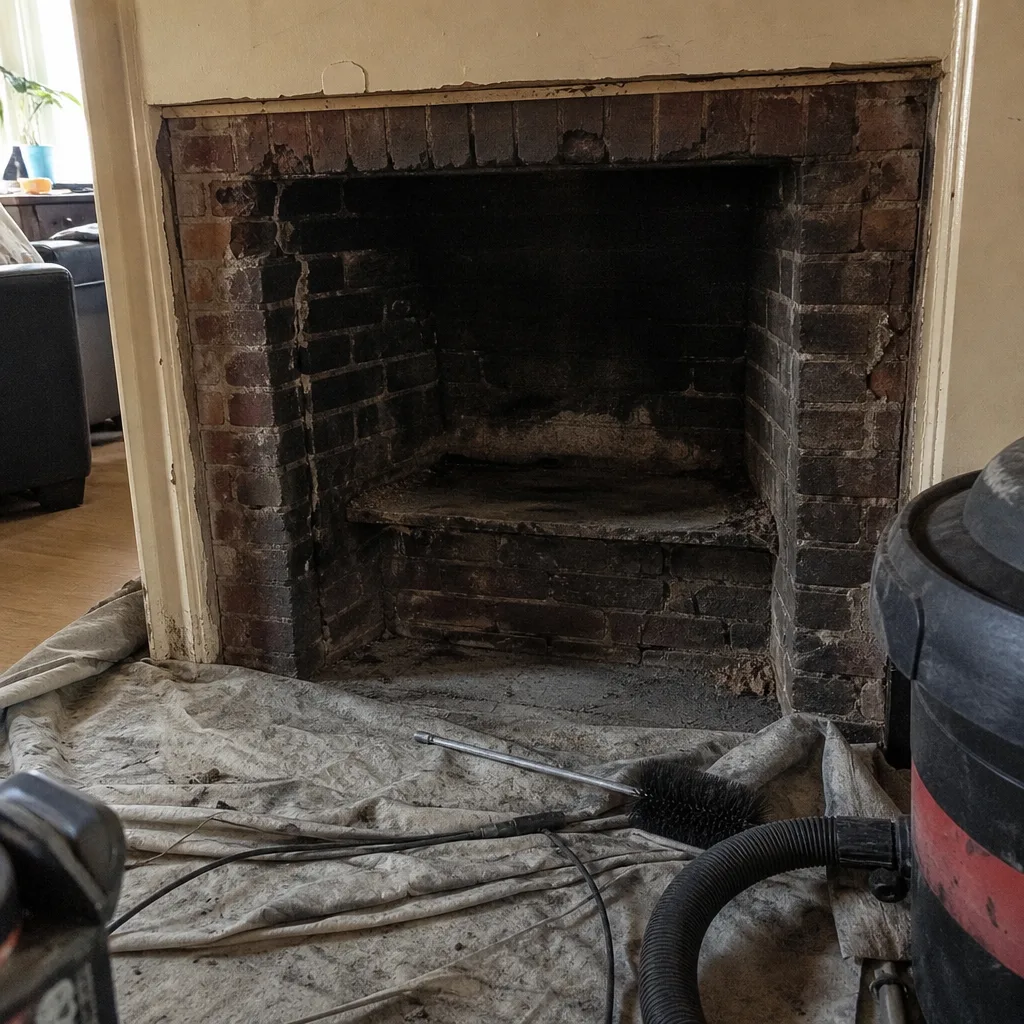 Before
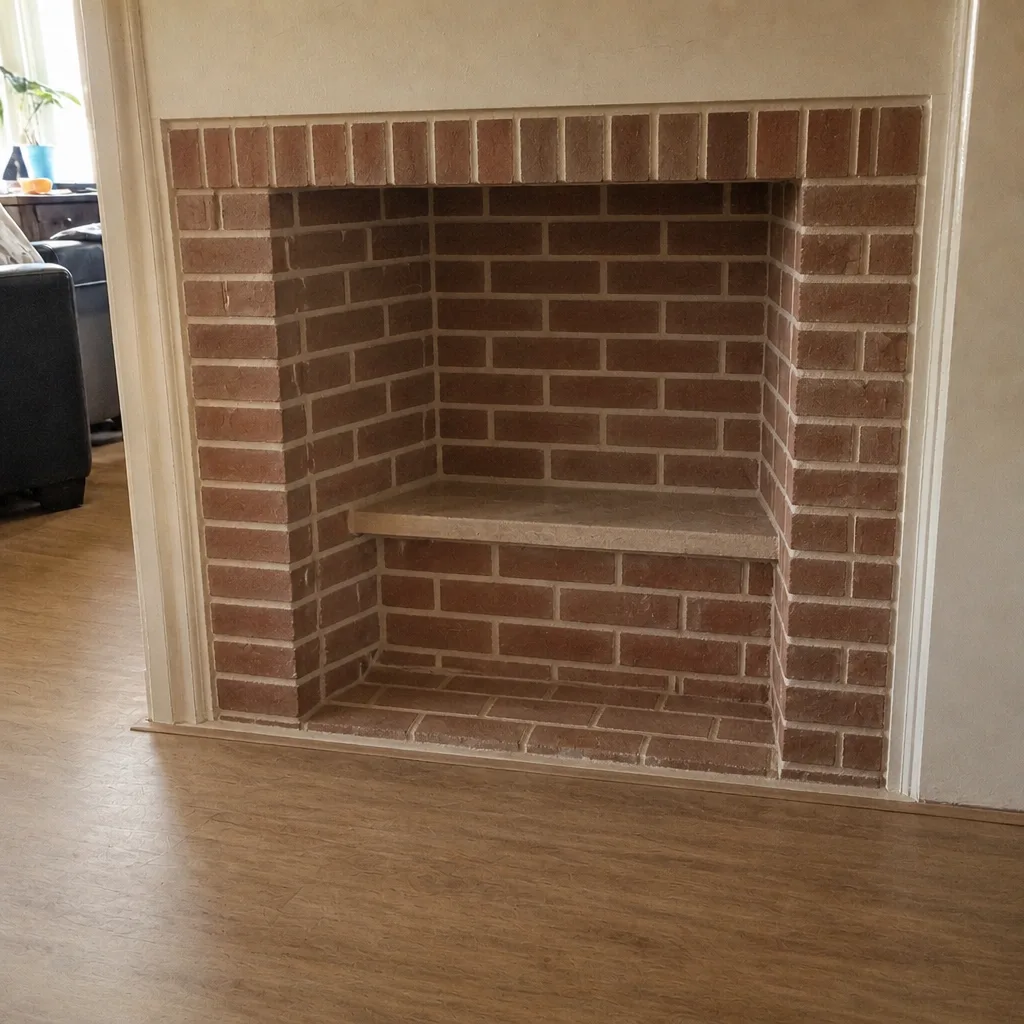 After
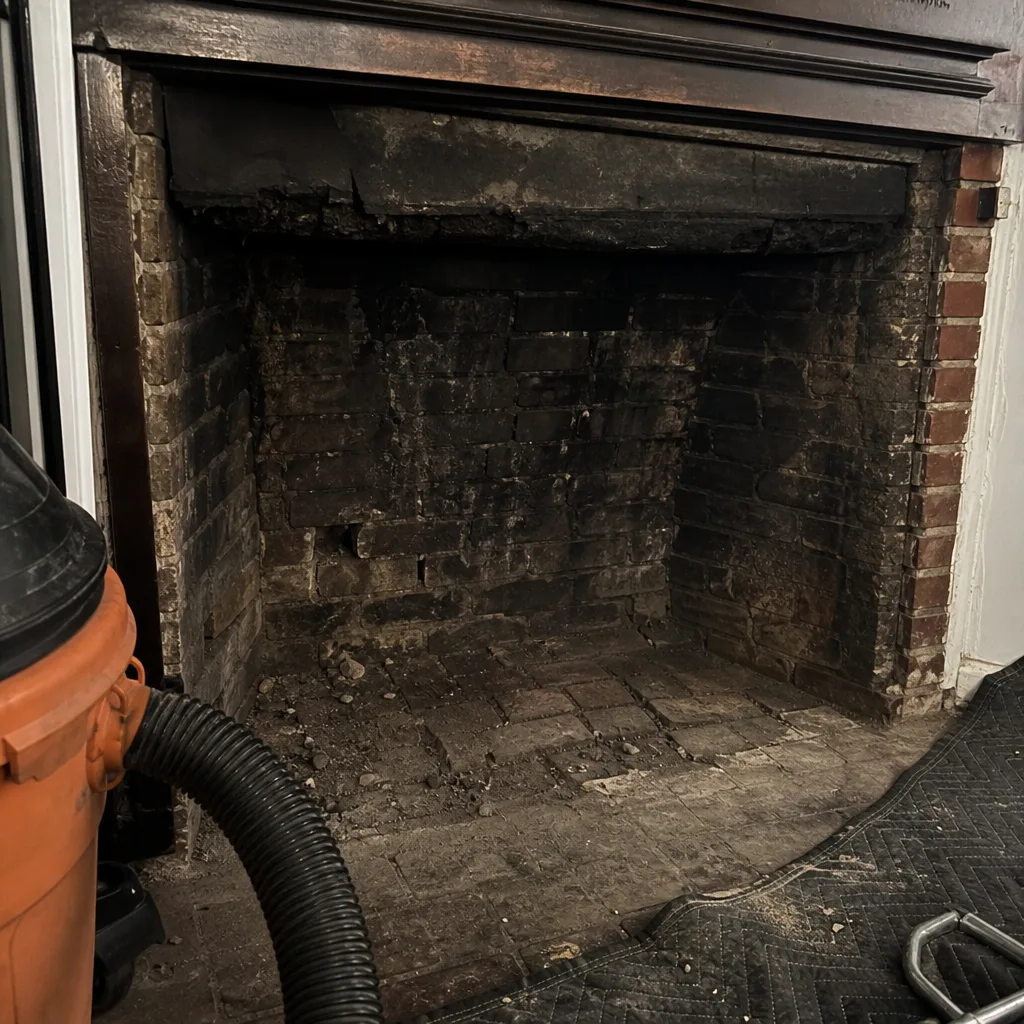 Before
 After
 Before
 After