
Last updated November 22, 2026
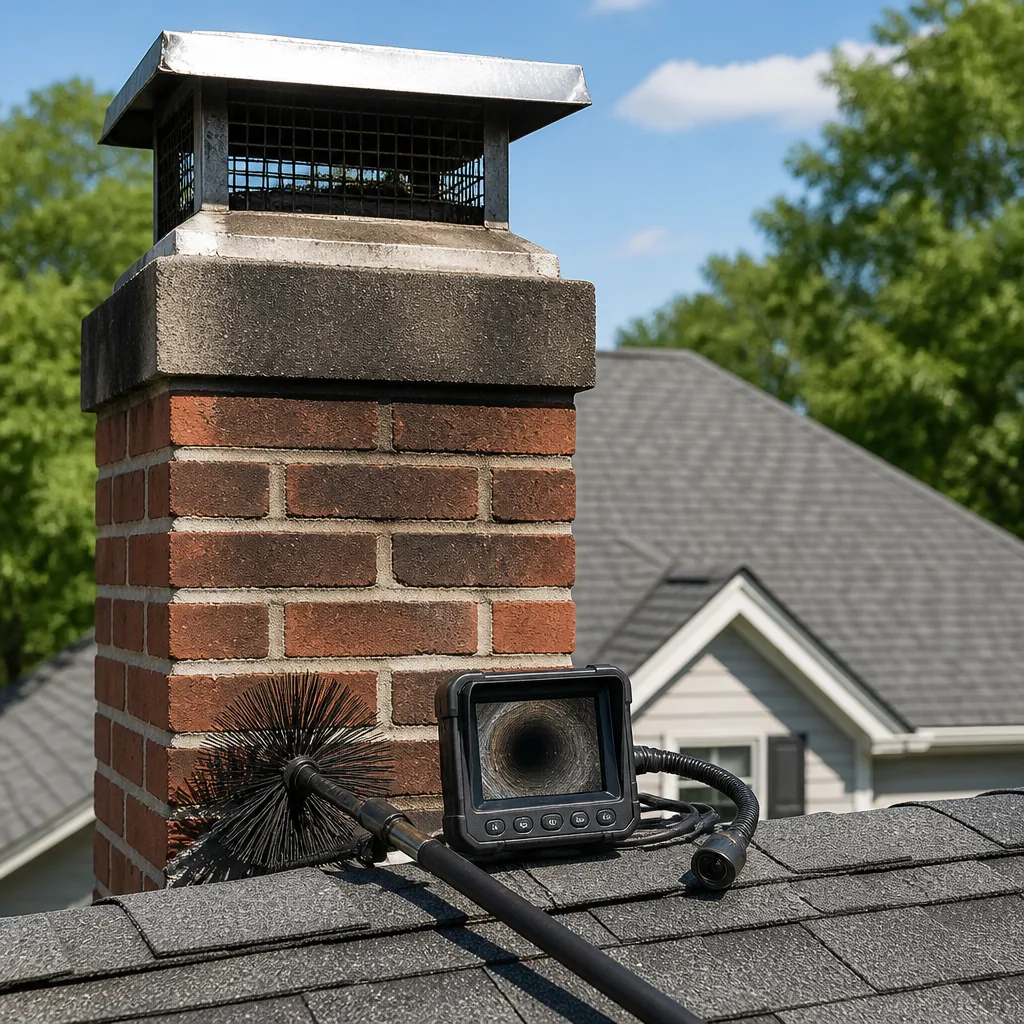 Sweep & inspection
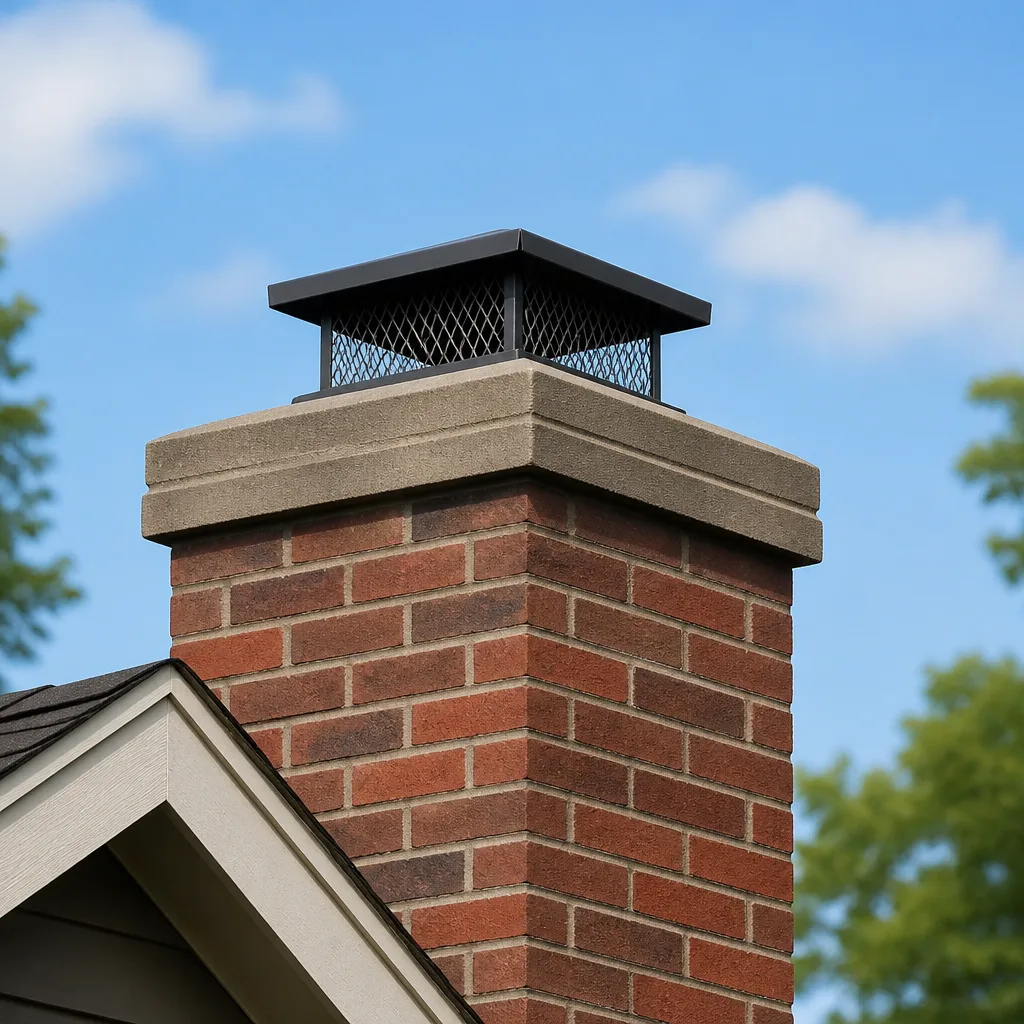 Caps & crowns
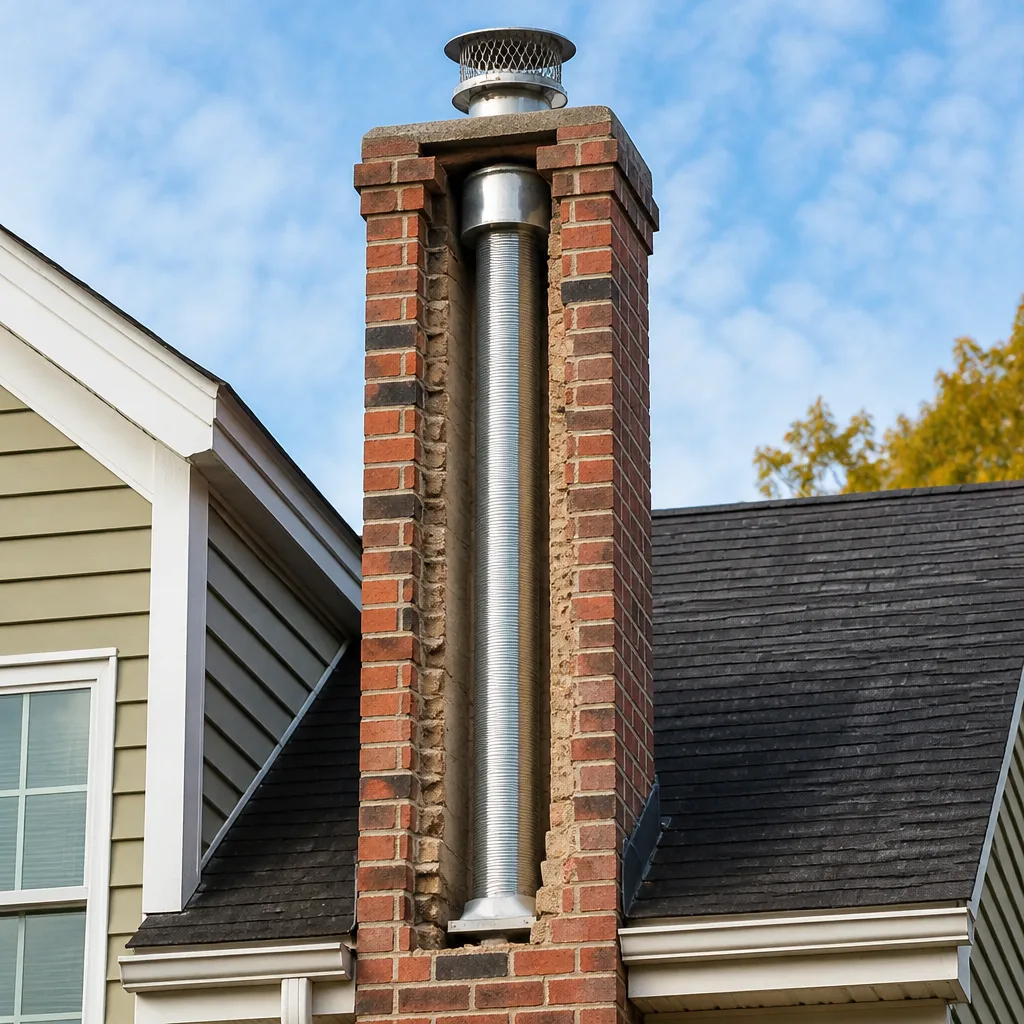 Flue relining
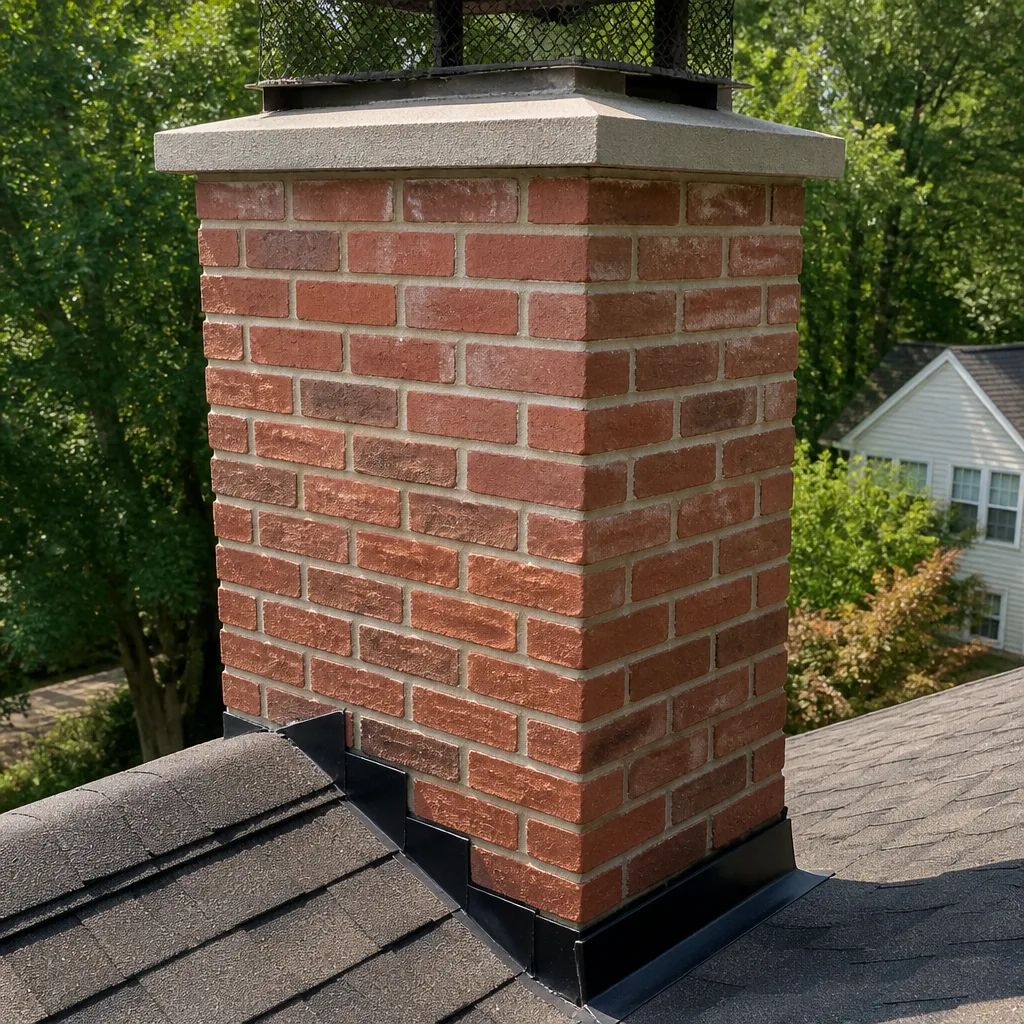 Masonry repair
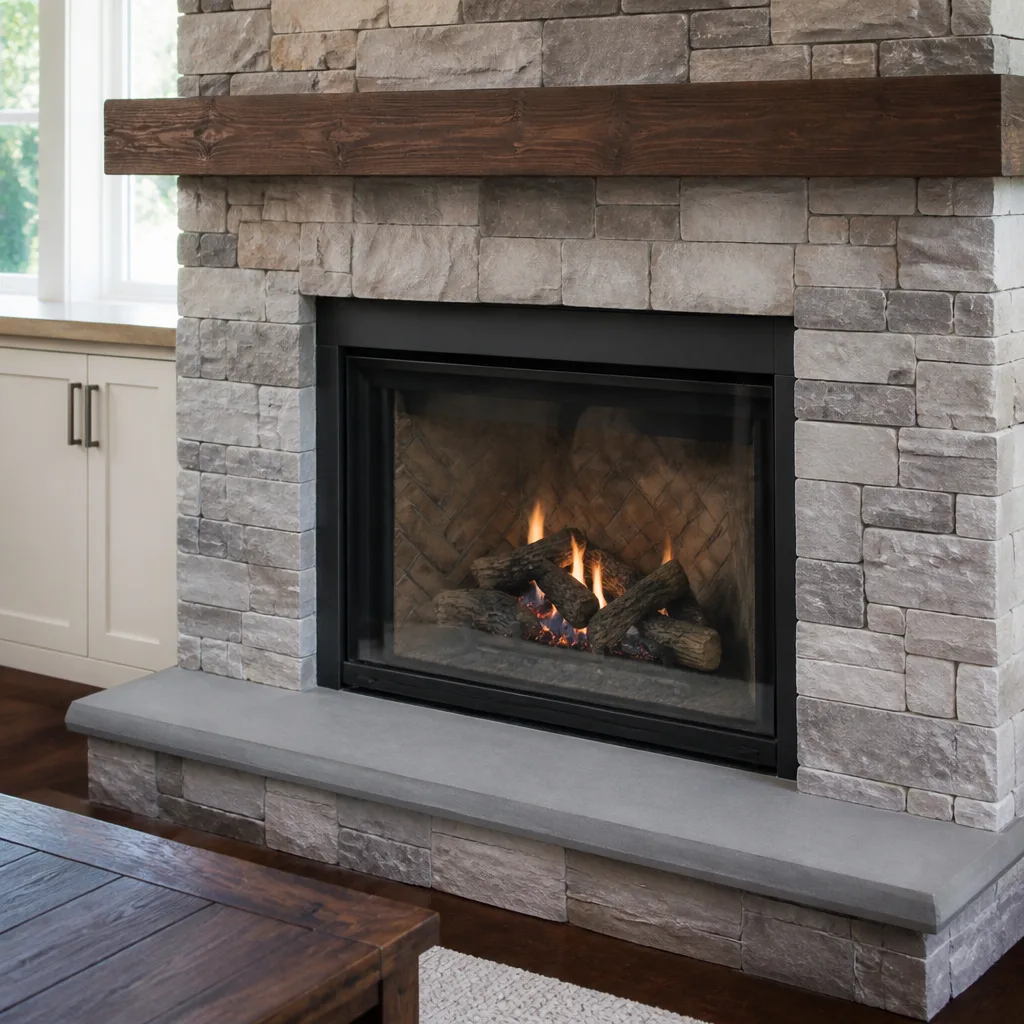 Gas fireplace service
Level 1 sweep and inspection to the NFPA 211 annual standard - flue, crown, cap, and flashing checked and photographed
Chimney sweep logs do not sweep chimneys. They loosen some creosote - which then falls where a brush and vacuum still have to collect it.
How to Hire a Chimney Cleaning Contractor in Bedford-Stuyvesant: A Step-by-Step Guide
A flyer in a Bed-Stuy vestibule advertises a cheap “chimney special,” and it usually buys a shop-vac and a handheld brush, not a look at the flue liner where the real problems hide. Cleaning the firebox and sweeping what’s visible from the hearth is the easy part. The hard part is knowing whether the clay tiles behind the brick have cracked, shifted, or glazed over with creosote, and most cut-rate operators never put a camera up there to find out. This guide walks you through hiring a contractor in Bedford-Stuyvesant who actually understands pre-war flue systems, from the certifications to demand to the written scope you should walk away with.
Quick Answer
To hire a chimney cleaning contractor in Bedford-Stuyvesant, verify the technician is CSIA-certified or holds an equivalent credential, confirm they’ll perform a Level II camera inspection of the flue liner rather than a surface sweep, and insist on a written inspection report with photos before any repair is discussed. Ask specifically how they navigate offset flues and evaluate the smoke chamber, because most of Bedford-Stuyvesant’s masonry chimneys were built with clay tile liners that fail in ways a brush alone won’t reveal. Price is set per job by a written estimate, and a legitimate contractor puts that scope in writing.
Styles & brands we work with
- Sweep & inspection
- Caps & crowns
- Flue relining
- Masonry repair
- Gas fireplace service
Table of Contents
- Why Bedford-Stuyvesant Chimneys Need Specialized Care
- The Certifications That Separate a Specialist From a Handyman
- Five Technical Questions to Ask Before You Book
- What a Level II Camera Scan Actually Shows
- How to Verify Insurance and Licensing in New York City
- Red Flags in Quotes and Proposals
- What a Proper Written Scope of Work Looks Like
- Common Mistakes to Avoid
- When to Call a Professional
Why Bedford-Stuyvesant Chimneys Need Specialized Care
Walk down a block of brownstones off Stuyvesant Avenue or Lewis Avenue and you’re looking at chimneys built for coal and converted to wood, gas, or nothing at all. The lining material matters more than the façade. Most of these homes went up with clay tile liners, and clay tile handles heat well but cracks under a chimney fire, shifts when the house settles, and lets moisture in through the crown when the masonry above has spalled. Once a tile cracks, the flue gases and creosote have a path into the surrounding brick and framing.
Bedford-Stuyvesant’s construction adds another wrinkle. Interior chimneys in row houses often run up through the middle of the building, which means at least one offset where the flue jogs around a beam or a party wall. A brush on a flexible rod can pass a single offset, but it won’t tell you whether the tile joints at that bend have opened up. That’s the kind of finding that takes a camera, not a hand mirror and a flashlight.
The climate makes the case for regular service, too. New York’s freeze-thaw pattern through winter pulls moisture into masonry pores, freezes, expands, and pries mortar loose. A chimney crown that was fine in October can be cracking by March. We supply and install crowns from professional-grade suppliers, and we’d rather find that crack during a routine Bedford-Stuyvesant sweep than after a water stain shows up on a ceiling three rooms away.
There’s a code dimension here too. New York City’s building and fire codes require proper clearances and flue condition for any solid-fuel appliance, and a homeowner who’s had an insert installed without a liner appropriate to it may be out of compliance without knowing it. You don’t need to become a code expert to hire well, but you do need to hire someone who knows the difference between a flue that’s merely dirty and one that’s no longer safe to use.
The Certifications That Separate a Specialist From a Handyman
A handyman with a brush and a ladder can scrape soot off a firebox. A trained chimney specialist knows what he’s looking at once he gets there, and the credentials tell you which one you’ve hired. Here’s what to look for.
- CSIA certification. The Chimney Safety Institute of America credential is the industry standard for sweeps and inspectors. It’s earned through an exam and maintained through continuing education, and it signals that the technician understands venting, liner condition, and combustion byproducts rather than just brush technique.
- NFI credentials. The National Fireplace Institute certifies technicians on specific fuel types, including wood and gas. If you have a gas insert, look for the gas-specific credential.
- What New York City requires versus what professionals hold voluntarily. Chimney sweeping itself is not a licensed trade in the way electrical or plumbing work is. That means most of the quality signals are voluntary, which is exactly why asking about CSIA and NFI matters more here than in a trade with a formal license.
- Documented experience with masonry flue systems. Certification covers principles. Experience with pre-war clay-tile construction covers your actual chimney. Ask how often the contractor works on older masonry row houses.
We won’t pretend a credential alone guarantees a good job, but an uncertified operator with no applicable experience and no camera is a genuinely different category of hire. The vetting you do before booking is the cheapest insurance you’ll buy on the whole project.
One detail worth asking about: does the contractor offer inspection as a standalone service? A company that only inspects as the prelude to a sweep-and-repair package has an incentive to find something. We perform chimney repair work when the evidence calls for it, but a documented, independent assessment you can use for a real-estate transaction, an insurance file, or your own records should be available on its own terms.
Five Technical Questions to Ask Before You Book
These questions aren’t tricks. They’re the same things a technician should be thinking about the moment he looks at your roof line. A contractor who actually works on older Bedford-Stuyvesant chimneys will answer them without hesitation.
- “Can you identify the liner type before you quote the sweep?” Clay tile, cast-in-place, stainless steel liner, or none at all. The answer changes everything about what a sweep can safely do and whether a Level II inspection is mandatory.
- “How do you handle an offset flue?” Interior chimneys in row houses jog around obstacles. A contractor who only owns straight rigid rods can’t properly clean past the bend. The answer should mention flexible rods, and ideally a camera that can negotiate the turn.
- “Will you evaluate the smoke chamber parging?” The smoke chamber is the tapered damper-to-flue transition, and in older masonry it’s often corbeled brick rather than a smooth surface. Rough corbeling collects creosote and slows draft. A trained eye should look at it, and a technician who’s never parged one should know why it matters.
- “Does your inspection include photos and video of the flue?” The answer should be yes. If it’s not, you’re getting an opinion, not evidence.
- “What will you do if the sweep uncovers a problem?” The right answer is: document it, show you, and give you a written option rather than a same-day sales pitch. We designate chimney cap & crown work and structural repairs as separate decisions precisely so that the sweep stays an assessment, not a discovery-and-close.
Ask these on the phone or over email before you commit. The responses tell you more about the contractor than the price does.
What a Level II Camera Scan Actually Shows
A Level II inspection is defined by the inclusion of a video scan of the flue along its full length. It’s the difference between knowing the firebox cleaned up nicely and knowing the flue is intact. Here’s what the camera reveals that a brush cannot.
- Cracked or missing clay tiles, especially at offsets and near the top where temperature swings are harshest.
- Gaps at tile joints that allow creosote and gases to reach the surrounding masonry.
- Deteriorated mortar joints and spalling within the flue.
- Previous repairs, incorrect liner installations, or obstructions like a bird’s nest or an abandoned damper.
- Creosote glazing at a stubborn stage where sweeping alone won’t remove it.
In our experience with older Bedford-Stuyvesant homes, the camera finding is often something the homeowner had no idea about: a tile cracked years ago that’s quietly been leaking into the chimney structure, or a flue sized wrong for the appliance connected to it. None of that shows up from the hearth.
Ask to see the footage and the photos before the technician leaves. A contractor who’s confident in the finding will be happy to walk you through it on a tablet or printed page. When a repairable liner is the issue, ceramic resurfacing systems like HeatShield can restore the flue interior without a full reline, which is a solution worth asking about specifically because most sweep-only companies don’t offer it. When a full reline is genuinely needed, we use professional-grade liner systems such as DuraFlex, sized and installed to the appliance rather than to a generic spec. Either way, the recommendation follows the camera evidence, not the price list.
How to Verify Insurance and Licensing in New York City
This part trips up a lot of homeowners because chimney work straddles two categories. Cleaning is not a licensed trade in New York City. Repair work that touches masonry, roofing, and structural elements is a different matter, and permits may be required depending on scope. The practical move is to verify three things before anyone climbs a ladder.
- General liability insurance. Ask for a certificate of insurance naming the work type. Any contractor doing roof-level or masonry work should carry it, and the crew on your property should be covered by it. A company that hesitates to provide a certificate is telling you something.
- Workers’ compensation coverage. If someone is injured on your property while working for a company that isn’t covered, the exposure can land on you. Ask.
- Applicable NYC licensing for the scope of work. If the job crosses into masonry repair or structural work that requires a license or a permit, ask who’s performing that portion and how they’re licensed. We connect you with independent local professionals who are licensed and insured as their state and city require, and we can explain what scope triggers a permit so you can ask the building department the right question.
You don’t need to become an insurance expert. You need the certificate in hand and the name on it to match the company doing the work. That’s a five-minute check that screens out a surprising share of the lowball quotes.
If someone arrives in an unmarked vehicle with no paperwork and can’t tell you the legal entity behind the invoice, treat that as a no. Chimney work involves heights, ladders, and heavy equipment. You want to know who’s responsible if something goes wrong.
Red Flags in Quotes and Proposals
Bad proposals share recognizable patterns. Here’s what should make you slow down.
- Vague scope language. “Clean and inspect chimney” without stating the method, whether a camera is used, or what the inspection covers is a placeholder, not a proposal. You should know exactly what will be done and what will be delivered.
- No written inspection report. If the sweep is the whole deliverable and no report or photos are included, you have no record of the flue condition and no basis for deciding on future work. That’s a gap, not a bargain.
- Same-day pressure to book repairs. A technician who sweeps and then immediately sells a four-figure liner replacement, without giving you time to review the footage, is running a sales process rather than a service call. Repairs found during a sweep should come with documentation you can review.
- Refusal to perform or provide a Level II camera scan. If the contractor can’t or won’t scan the flue, they can’t tell you whether the liner is safe. That is the central limitation of the sweep-only operator.
- No certificate of insurance ready on request. Already covered, but it belongs on the list because the evasion pattern is so consistent.
- Prices well below the local market. A quote far under the rest often means the work is a surface pass with a shop-vac and a brush. The gap gets made up somewhere, usually by skipping the inspection or by upselling a repair you can’t verify.
None of these are automatic disqualifiers on their own. Two or three together, and you’re looking at a contractor who won’t give you the documentation you need to make a real decision about your chimney.
What a Proper Written Scope of Work Looks Like
The sweep is done. What should you be holding before the technician drives away? A written scope serves two purposes: it’s your record of the condition found, and it’s the document that defines any follow-on work in terms you can check against. Here’s what it should include.
- The service performed and method used. Sweep, inspection level, whether a camera was used and what it covered.
- Findings, in plain language. Liner type identified, condition observed, any cracks, gaps, spalling, creosote stage, or obstructions.
- Photos or video reference. Even a few labeled stills are worth more than a paragraph of description.
- Recommendations with a clear “needed now” versus “monitor” split. Not everything the camera finds is urgent. A reputable contractor will tell you plainly when work can safely wait, often that the next sweep is the right checkpoint.
- Any follow-on scope in writing, with the price set by a written estimate. No verbal numbers, no “we’ll work it out on the day.”
We treat the inspection report as the deliverable, and any repair recommendation is tied to evidence you can see. If work is genuinely needed, the written estimate sets the final price. If it isn’t, we’ll say so. That’s the part a homeowner can’t verify from the hearth, and it’s the reason to insist on the paper trail.
If the contractor offers the whole range of chimney work, the report covers more ground, because the same specialist can evaluate caps, crowns, liners, and fireplace repair in one pass. We handle all five service categories, from inspection through structural repair, using components from professional suppliers including Copperfield and Gelco. That continuity makes the written scope more useful, since nothing in it needs to be farmed out to a contractor you’ve never met.
Common Mistakes to Avoid
- Hiring a handyman or pressure-washer who adds “chimney cleaning” to the flyer. Cleaning a flue is a system assessment, not a surface wash. A generalist without a camera and without certification can make a firebox look clean and leave the actual problem untouched.
- Skipping the inspection to save on the sweep. In Bedford-Stuyvesant’s pre-war row houses, the liner condition is the whole point. A sweep without an inspection is an appointment that doesn’t tell you whether the chimney is safe to use.
- Accepting a verbal quote and no written scope. If it’s not in writing, you have no basis to compare proposals, no record of findings, and nothing to fall back on if the work gets disputed. The written estimate sets the final price for a reason.
- Letting a same-day sales pitch push you into a liner replacement before you’ve seen the footage. A liner is a legitimate repair when the camera shows it’s needed. It’s also the most commonly oversold item in the trade. Ask to see the evidence, and ask whether a resurfacing system like HeatShield would extend the existing flue rather than replace it.
- Assuming the cheapest quote is the same job as the others. A low price is often the same brush-and-vacuum pass repackaged. Compare scope, not just numbers.
- Forgetting to check insurance and licensing until the crew is on the roof. The certificate should be in hand before anyone climbs a ladder. That step screens out the contractors who shouldn’t be up there.
- Never inspecting because the fireplace “seems fine.” The failure modes in older Bedford-Stuyvesant chimneys happen where you can’t see them. “Seems fine” from the living room is not a venting assessment.
When to Call a Professional
Some situations are clearly a professional call: a chimney fire has happened, creosote has built up to a heavy or glazed stage, the crown is cracked, water is staining a ceiling near the flue, a gas insert was installed without a documented liner check, or you’re buying a Bedford-Stuyvesant home and need an inspection you can hand to your attorney. Others are routine, like the annual sweep before burning season, or a first assessment of a chimney you’ve never used. The point of the vetting steps above is that the professional you hire should be the one who tells you honestly which category you’re in. Start with an inspection, know exactly what the flue needs before any work begins, and get the findings in writing. Chimney Sweep Bedford-Stuyvesant offers free estimates in Bedford-Stuyvesant. Call (855) 724-0919 to book a visit.
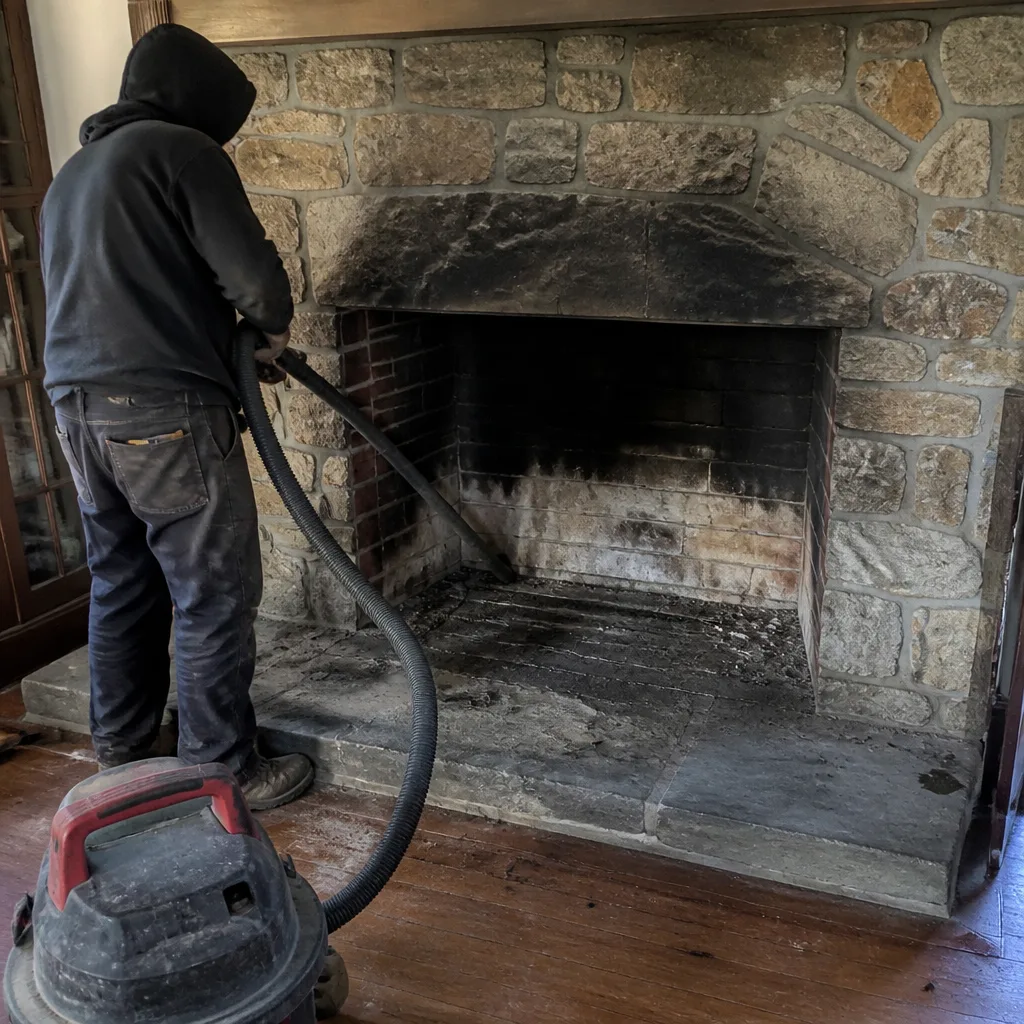
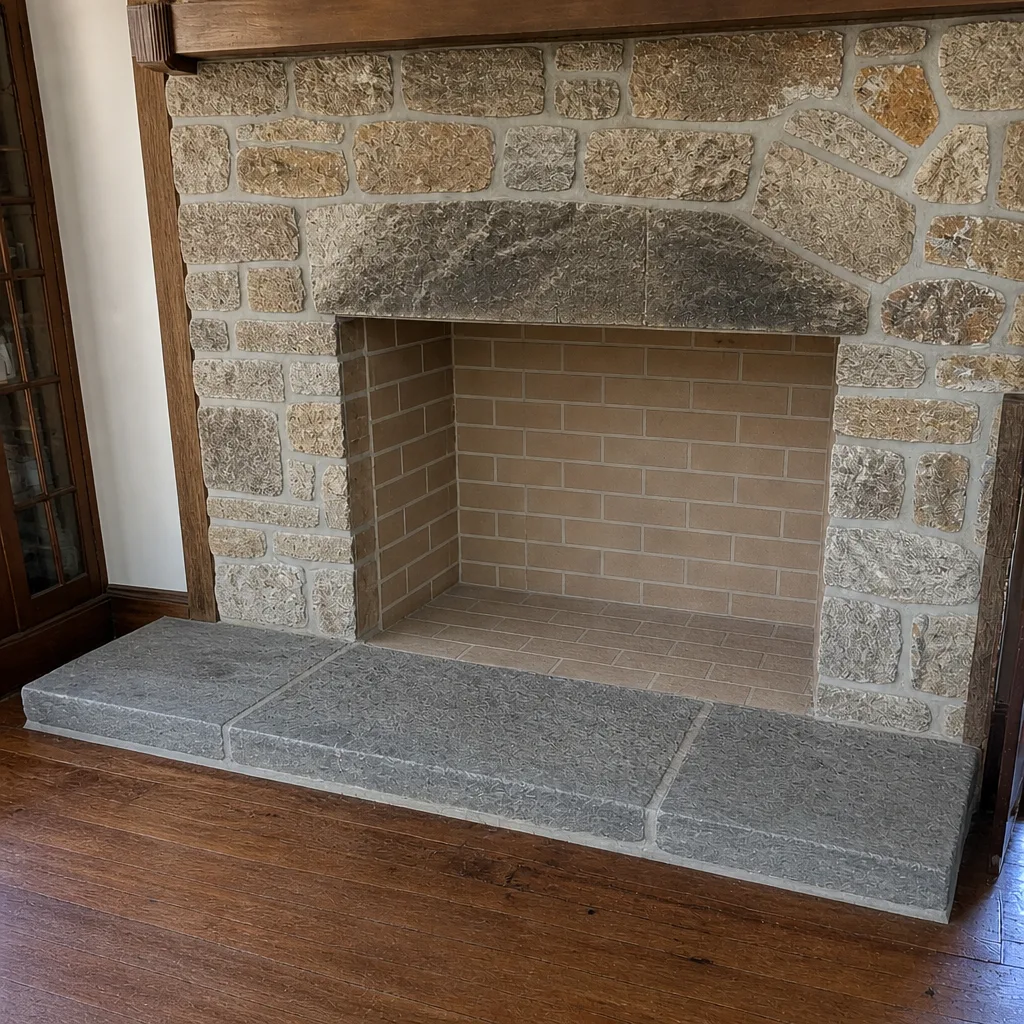
See the difference
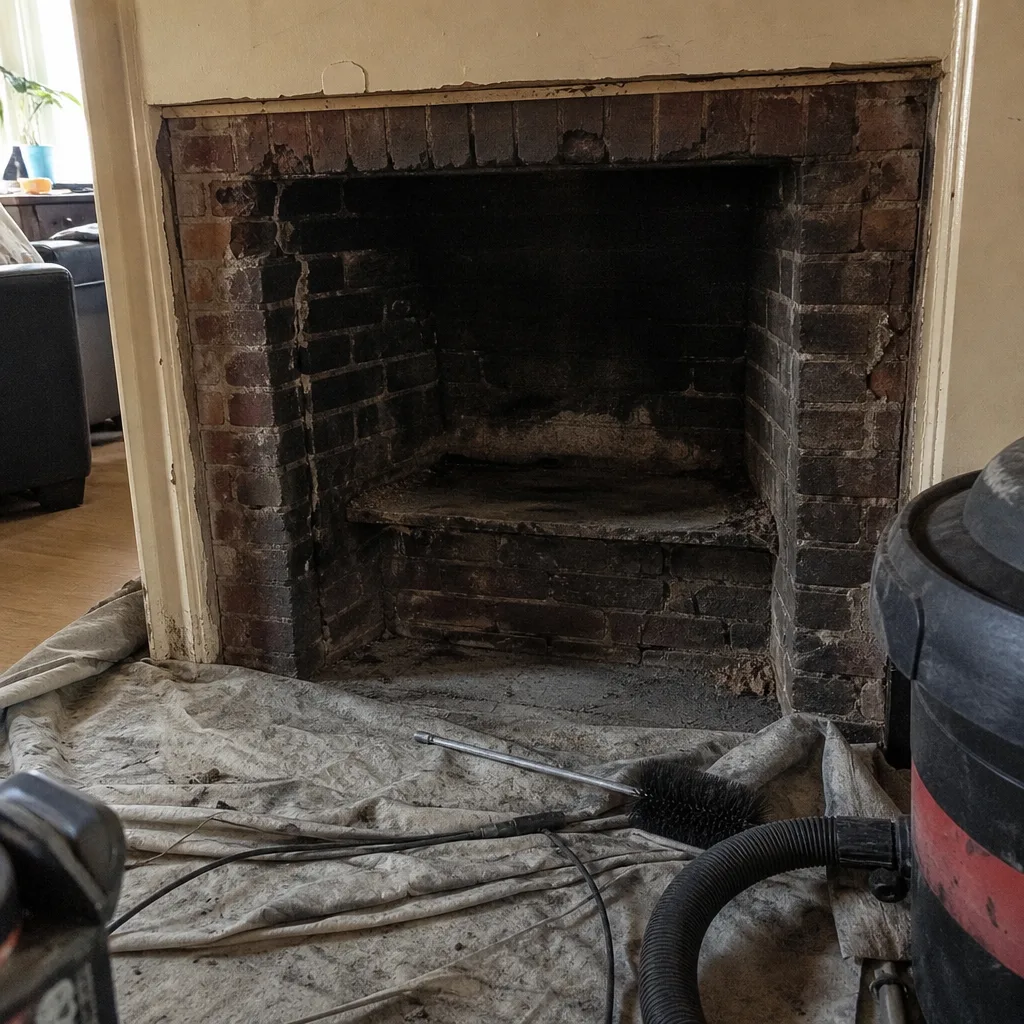 Before
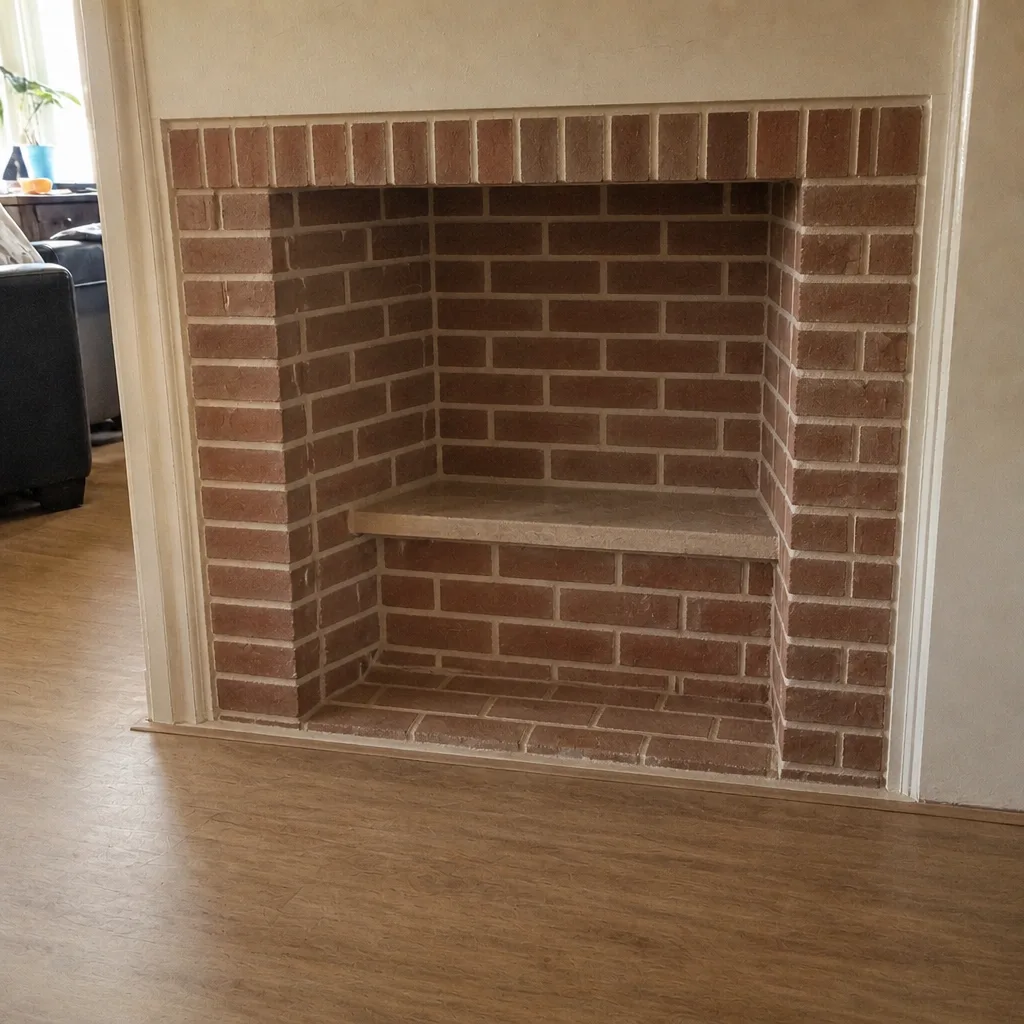 After
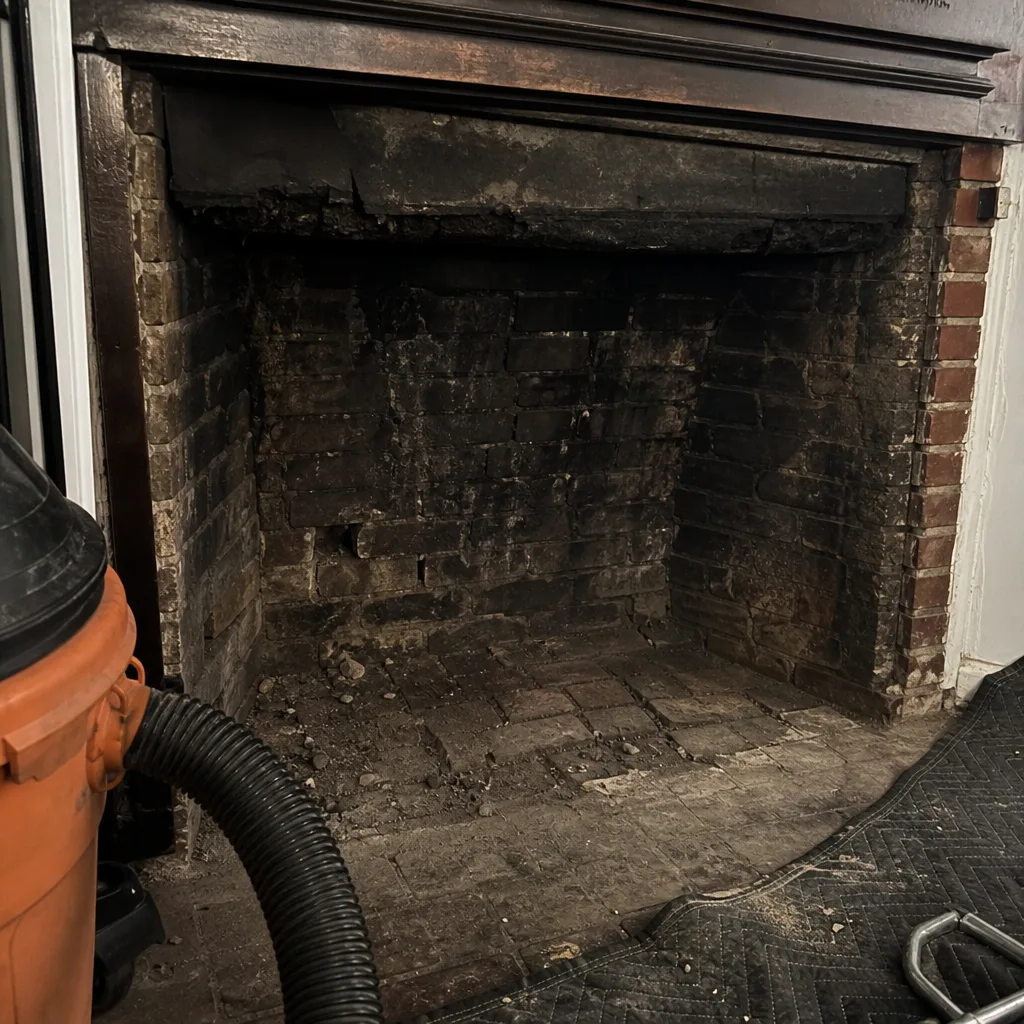 Before
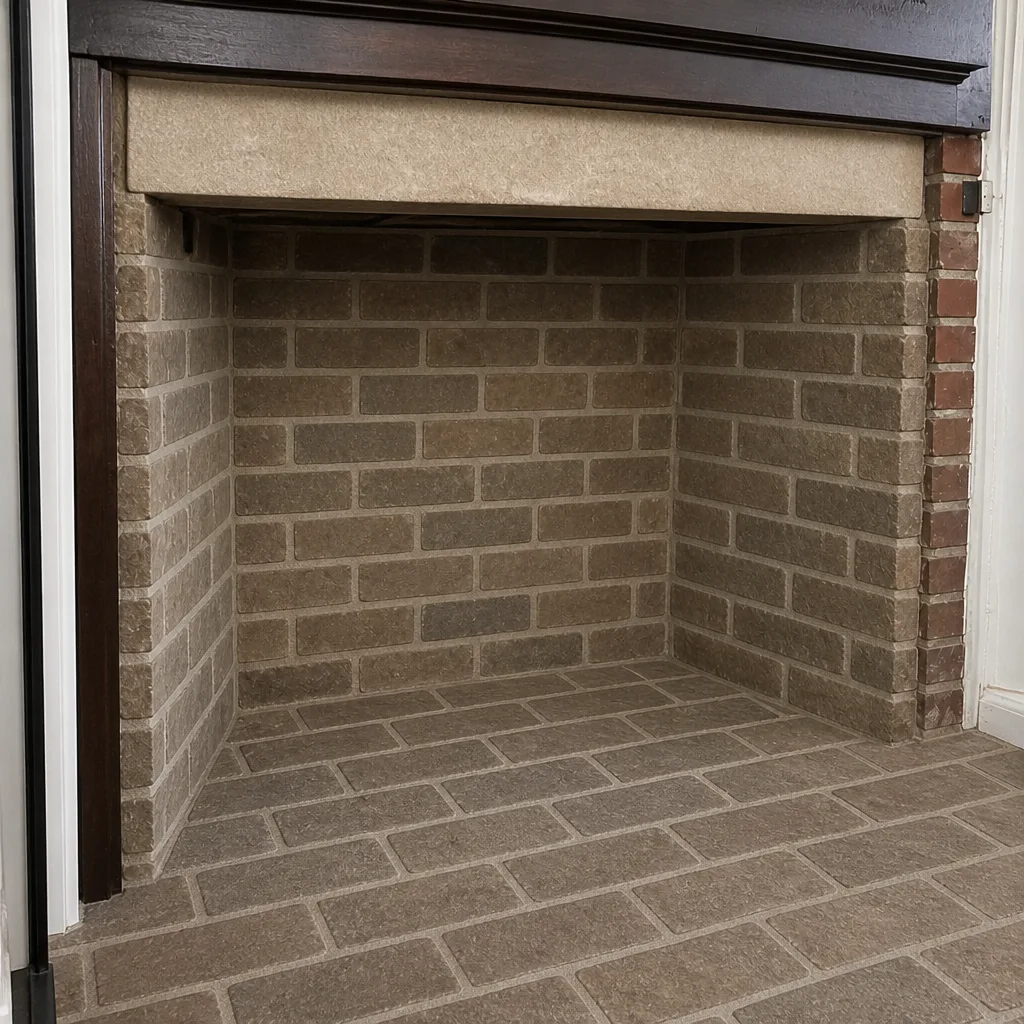 After
 Before
 After
Frequently Asked Questions
Chimney sweeping in Bedford-Stuyvesant is priced per job by a written estimate, and the range depends on the flue length, liner condition, the fuel type, and whether a Level II camera inspection is included. A sweep bundled with a camera inspection costs more than a bare brush pass because it produces a documented assessment you can keep. The estimate is free, so the simplest move is to call and get a specific quote for your chimney. Call (855) 724-0919 for an exact quote – estimates are free.
Only if the camera shows the existing flue is cracked, spalled, or otherwise unsafe for the appliance connected to it. In our experience, a meaningful share of “you need a liner” recommendations are avoidable when a resurfacing system like HeatShield can restore the flue interior, and some findings are mild enough to monitor at the next sweep. The one thing we won’t ask you to do is take the recommendation on faith. Ask to see the footage. Call (855) 724-0919 for an exact quote – estimates are free.
Sweep at least once a year if you burn wood regularly, and more often if you burn a lot or notice heavy creosote buildup. The chimney is inspected at the same visit, so the annual sweep also acts as a yearly check on liner and crown condition through New York’s freeze-thaw season. Gas inserts still warrant periodic inspection even though they create less creosote. Call (855) 724-0919 for an exact quote – estimates are free.
Skipping the sweep lets creosote accumulate and lets small liner cracks go unwatched, and heavy creosote in a flue is the fuel that chimney fires burn. The longer the gap, the more likely that the next inspection finds a structural repair instead of a routine cleaning. None of that requires a scare story to be true. It’s just easier to check yearly than to fix later. Call (855) 724-0919 for an exact quote – estimates are free.
A handyman can scrape a firebox, but the work that matters in older Bedford-Stuyvesant row houses is inside the flue: identifying the liner type, navigating the offset, and inspecting the smoke chamber. That requires a camera, an inspector’s training, and experience with pre-war clay-tile construction. Ask about CSIA certification before you book. Call (855) 724-0919 for an exact quote – estimates are free.
Ask for a certificate of general liability and workers’ compensation coverage, and confirm the name on the certificate matches the company doing the work. Chimney cleaning isn’t a licensed trade in New York City, but repair work that touches masonry and structure is where licensing and permits come in, so ask who is performing that scope and how they’re covered. A contractor who can’t produce the paperwork on request is a liability. Call (855) 724-0919 for an exact quote – estimates are free.
The Bottom Line
Hiring a chimney contractor in Bedford-Stuyvesant comes down to three checks: certification, camera capability, and demonstrated experience with pre-war clay-tile flues. The cheap flyer special usually fails all three, and what it costs you isn’t the difference in the quote, it’s the liner crack you never saw. Vet before you book. Ask the five technical questions. Get the insurance certificate. Insist on a Level II scan and a written scope you can hold, with photos you can review before any repair is discussed. When something is genuinely needed, the written estimate sets the final price. When it isn’t, a good contractor says so. That’s what makes the chimney sweep worth booking with the right company, and it’s what Chimney Sweep Bedford-Stuyvesant is built around.
Contact Us
If you’re ready to book a sweep or an inspection in Bedford-Stuyvesant, call (855) 724-0919 for a free estimate. We answer 24/7. Fast dispatch from 7am to 7pm, Sunday through Friday, and we’re closed Saturday. Our technicians have up to 11 years of experience, and every visit starts with an inspection so you know exactly what your flue needs before any work begins. One company, every part of your chimney system, from sweep to cap, crown, liner, and fireplace repair.
Written by the team at Chimney Sweep Bedford-Stuyvesant.