
Last updated November 22, 2026
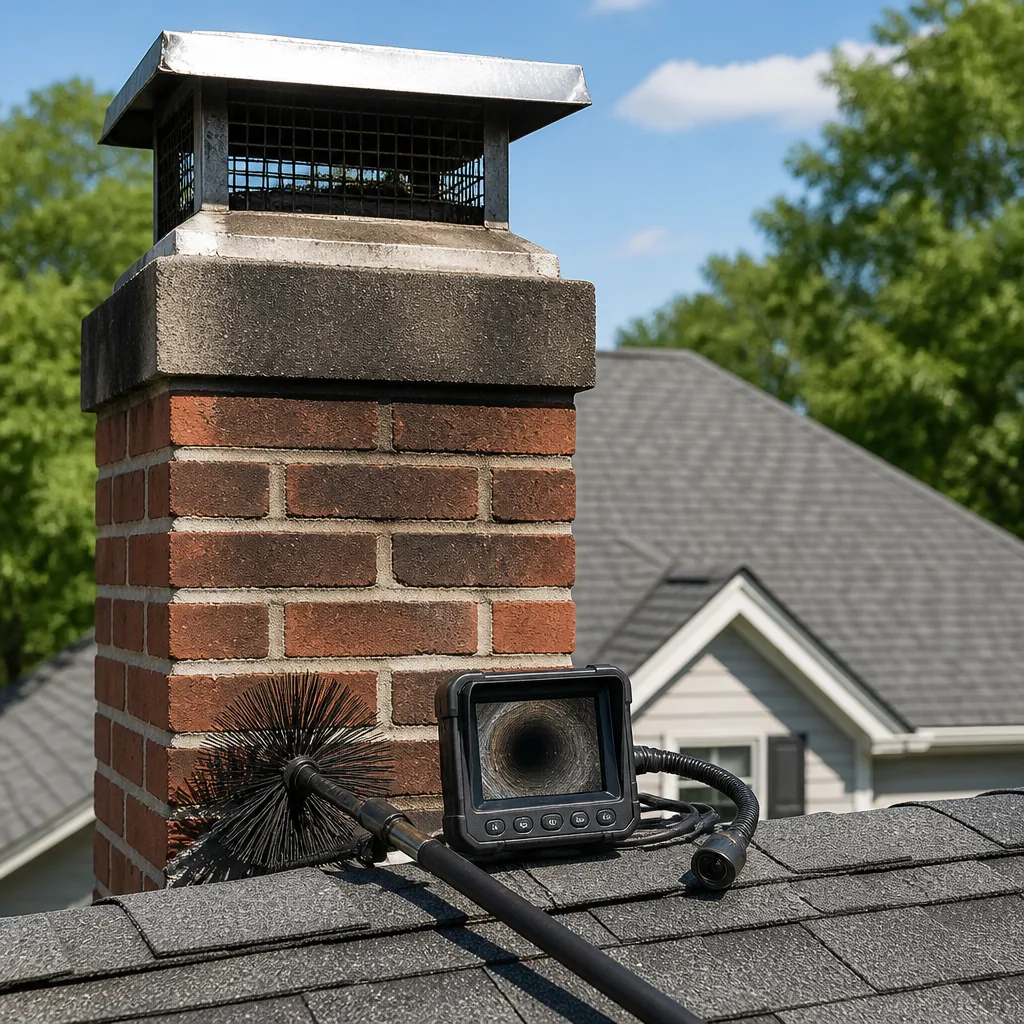 Sweep & inspection
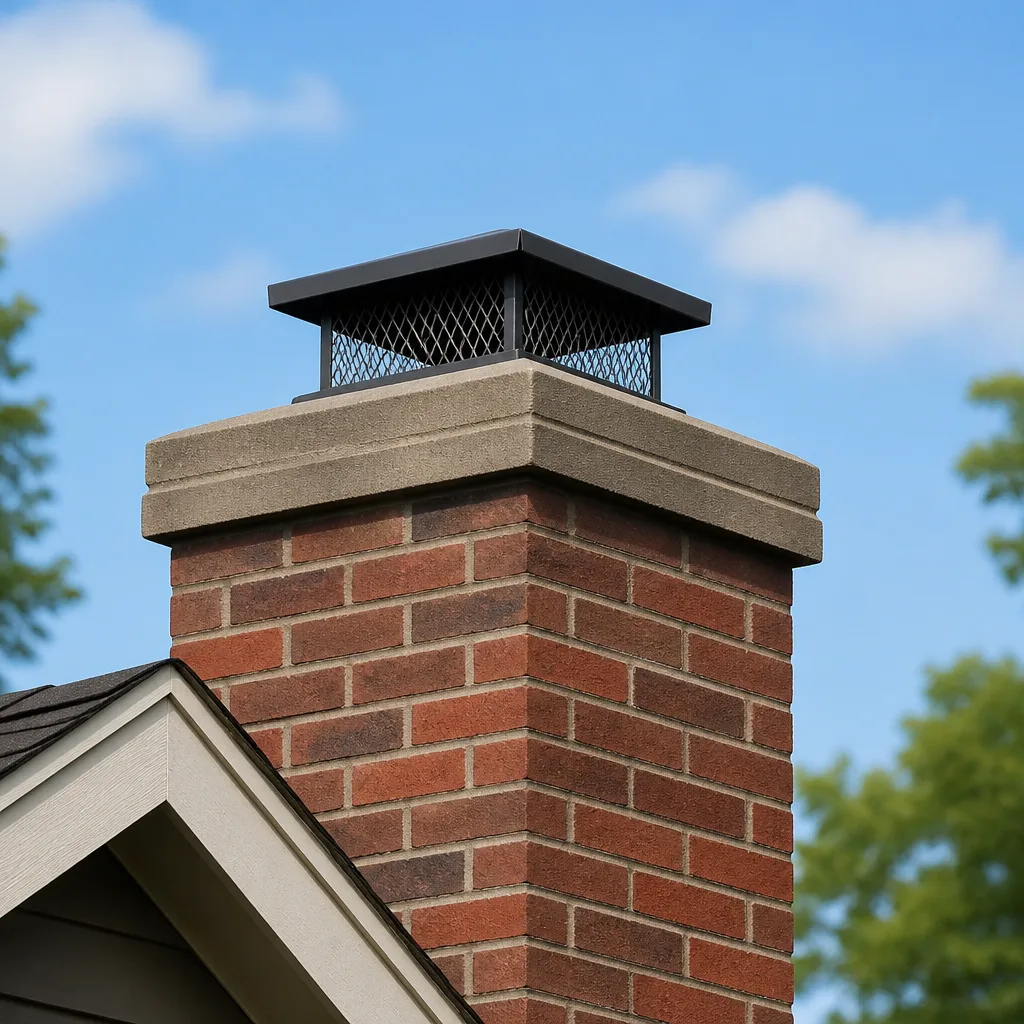 Caps & crowns
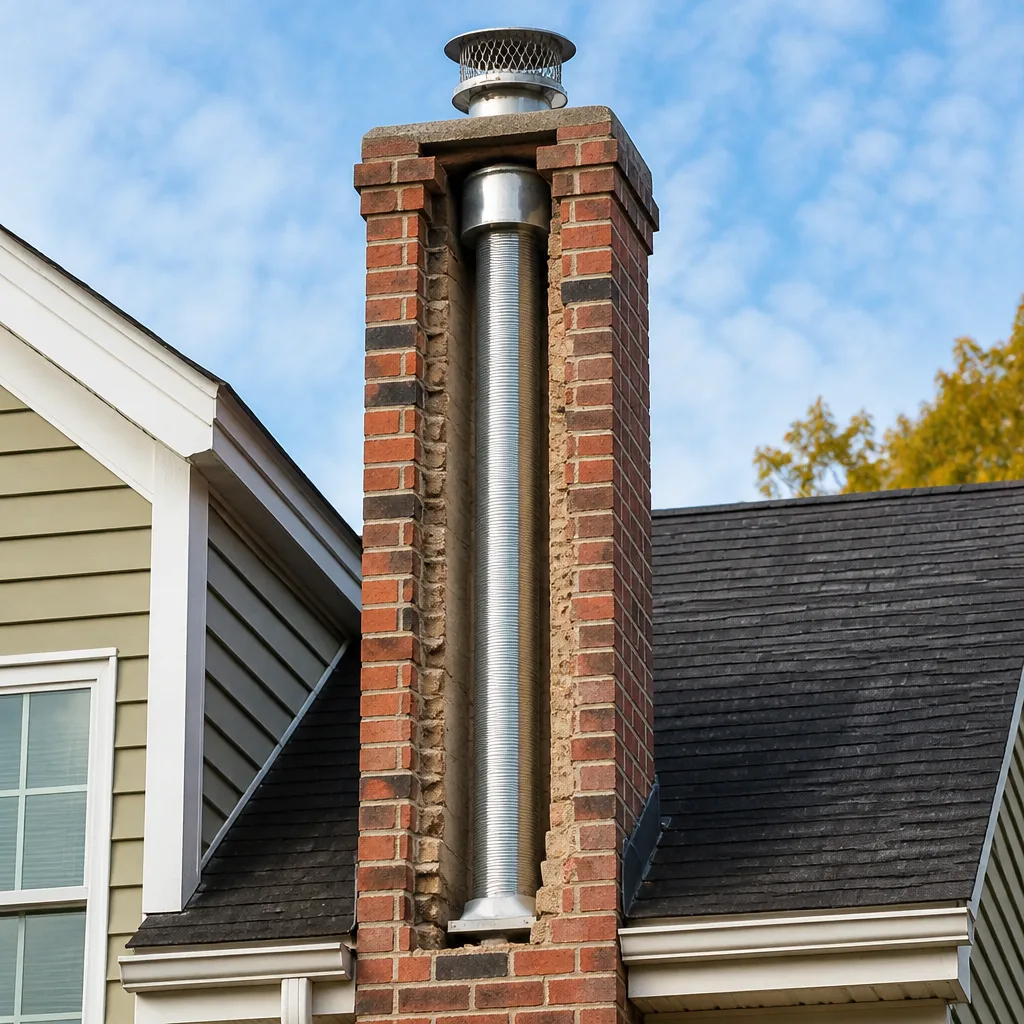 Flue relining
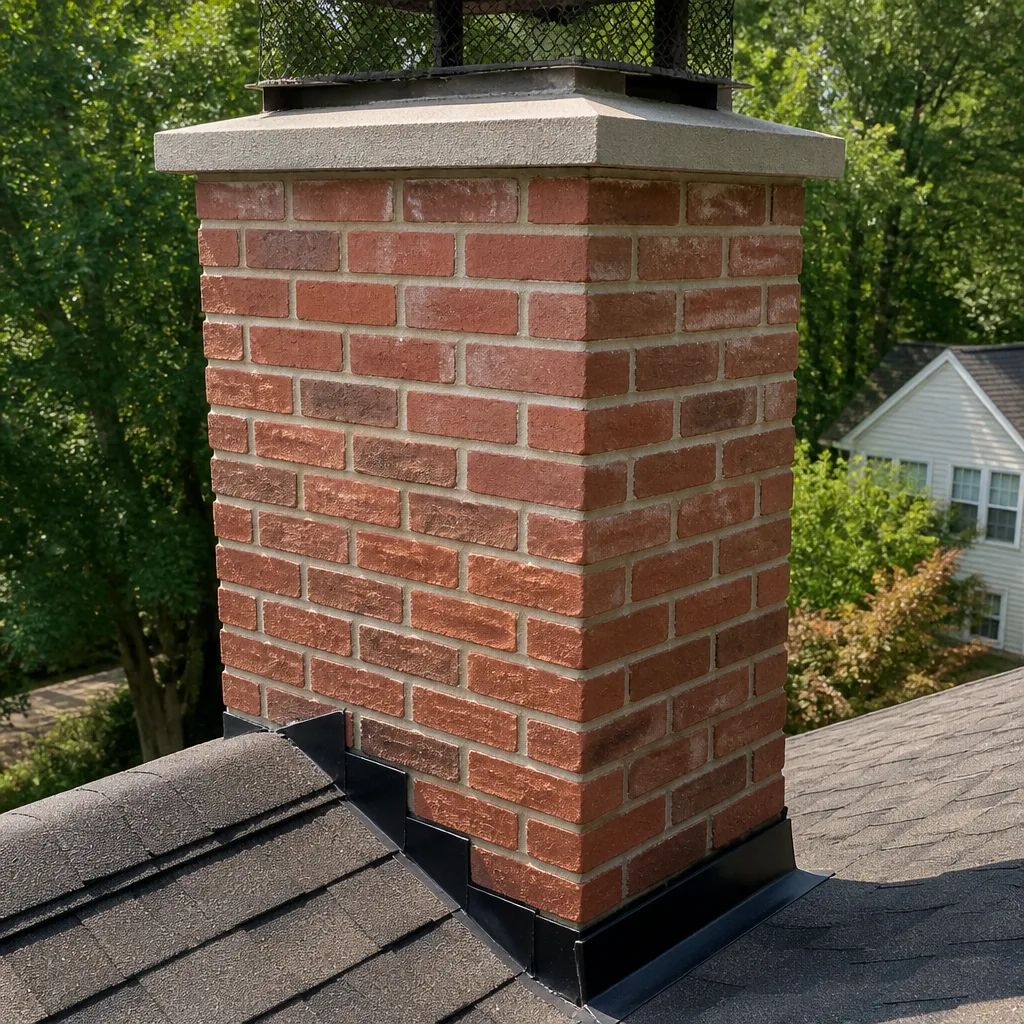 Masonry repair
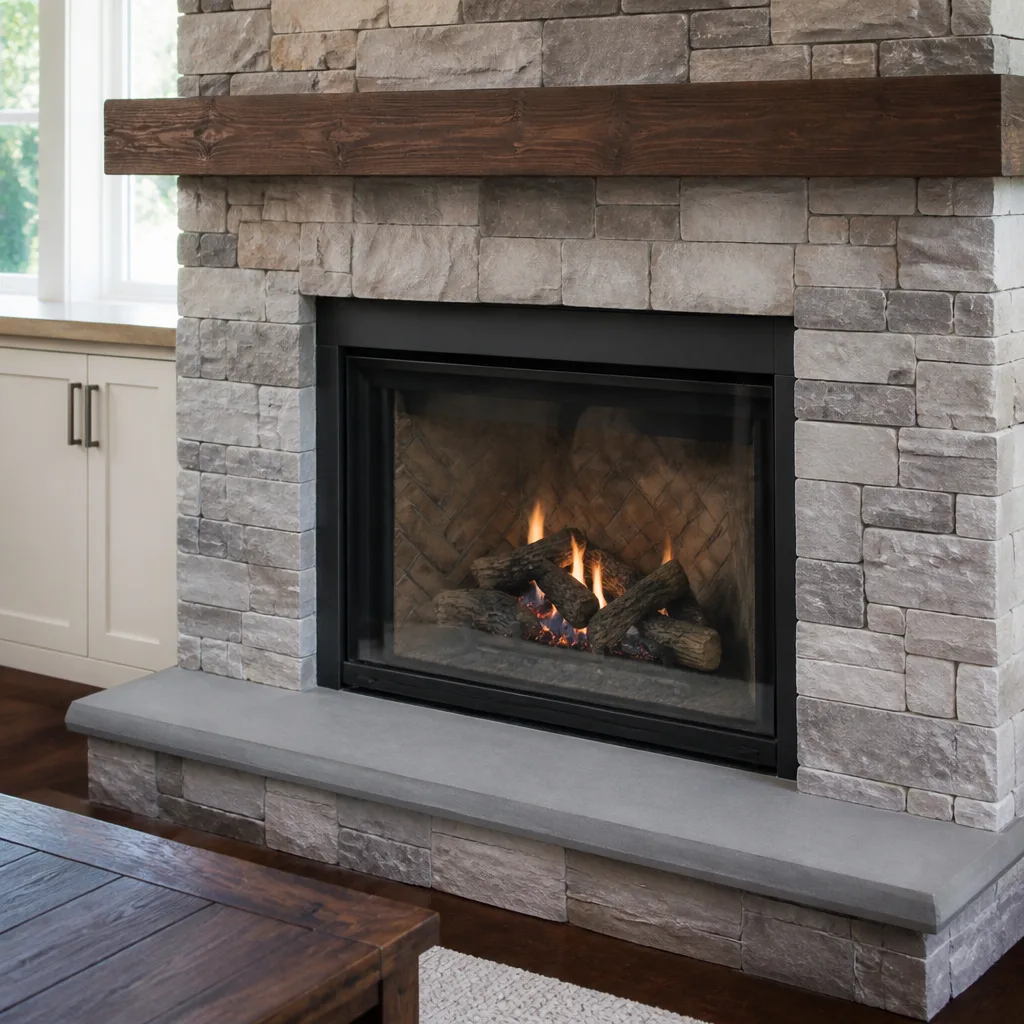 Gas fireplace service
Level 1 sweep and inspection to the NFPA 211 annual standard - flue, crown, cap, and flashing checked and photographed
Chimney sweep logs do not sweep chimneys. They loosen some creosote - which then falls where a brush and vacuum still have to collect it.
The Complete Guide to Chimney Cleaning in Bedford-Stuyvesant
Most Bedford-Stuyvesant brownstones have at least two flue systems sharing one chimney stack. That surprises a lot of longtime owners, and it’s the single detail a one-size-fits-all sweep tends to miss entirely. The heating flue and the fireplace flue sit side by side inside the same brick chase, often built decades apart, and each one collects a different kind of deposit at a different rate. Clean one and skip the other and you’ve left half the system untouched. This guide maps what’s actually inside a Bedford-Stuyvesant chimney, why the neighborhood’s rowhouse construction shapes how that chimney should be cleaned, and what to ask before anyone puts a brush in your flue.
Quick Answer
Chimney cleaning in Bedford-Stuyvesant means servicing the whole chimney system, not just the firebox flue: the smoke chamber, damper, both flues in a shared stack, and the cap and crown on top. Most rowhouse chimneys here should be swept and inspected once a year if you burn wood, and inspected before you start burning again if the chimney has sat unused. A proper cleaning ends with a documented inspection, not just a swept flue.
Styles & brands we work with
- Sweep & inspection
- Caps & crowns
- Flue relining
- Masonry repair
- Gas fireplace service
Table of Contents
- What’s Actually Inside a Bedford-Stuyvesant Chimney
- How Rowhouse Construction Shapes the Cleaning
- Coal-Era Creosote vs. Modern Glazed Creosote
- Shared-Stacks and Cross-Contamination
- What a Level II Inspection Includes
- How the BQE and Industrial Corridors Affect Soot
- How a Professional Cleaning Actually Works
- How Often Bedford-Stuyvesant Chimneys Need Cleaning
What’s Actually Inside a Bedford-Stuyvesant Chimney
A Bedford-Stuyvesant chimney is rarely one simple pipe. In the late-19th-century rowhouses that make up most of the neighborhood, the stack is a brick masonry chase holding several separate flues, each originally built for a specific appliance. Understanding that layout is the first step to cleaning it correctly.
Here’s what a typical stack contains:
- The fireplace flue. A large, roughly rectangular clay-tile liner serving the parlor fireplace. This is the flue most owners think of when they hear “chimney.”
- The heating flue. A narrower flue that once served a coal furnace or stove, often running up the same chase. Many were later connected to gas or oil equipment, and some are now unused and capped.
- The smoke chamber. The sloped area directly above the damper where the firebox narrows into the flue. Creosote and soot collect here in ways a straight brush pass can miss.
- The damper assembly. The metal door that seals the firebox when the fireplace isn’t in use. These seize, rust, or get modified over the decades.
- The crown and cap. The concrete or masonry top that sheds water off the stack, and the cover that keeps rain and animals out of the flue mouth.
Each of these parts ages differently. A cleaning that only addresses the fireplace flue leaves the smoke chamber, the heating flue, and the crown unexamined. That’s why we treat the whole system as one job. When we clean a chimney in Bedford-Stuyvesant, we’re looking at the entire assembly, because the failure that matters is usually the one nobody thought to check. If you want a single resource covering all of it, our Chimney Sweep Bedford-Stuyvesant page lays out the full range of service.
How Rowhouse Construction Shapes the Cleaning
Bedford-Stuyvesant rowhouses were built tight against each other, sharing party walls and often sharing chimney chases with the house next door. That construction shapes everything about how a flue should be cleaned, from the tools a technician uses to how deposits settle.
The original clay-tile liners in these buildings are mortar-jointed, and over a century of heating and cooling cycles those joints crack and shift. A cracked joint lets heat and creosote reach the surrounding brick, which is exactly what a liner is supposed to prevent. On a modern house with a stainless steel liner, cleaning is straightforward: the surface is smooth and the brush does the work. In a Bedford-Stuyvesant rowhouse, the liner itself is often the thing being evaluated during the sweep.
Flue geometry matters too. Original fireplace flues in these buildings tend to be broad and shallow relative to their height, which means smoke moves slowly and deposits build up in the corners where a round brush doesn’t fully reach. A technician cleaning a Bedford-Stuyvesant flue needs tools matched to the shape of the liner, not just a standard round brush. Some deposits call for a poly brush with the right stiffness for clay tile; others call for a rotary tool that follows the flue contour. Choosing the wrong one can crack an aging tile or leave the worst deposits behind.
The party-wall arrangement adds a practical wrinkle. Neighboring rowhouses often share a single chimney chase, and a problem that starts in one flue can affect the adjacent stack. When we inspect a Bedford-Stuyvesant chimney, we look at the whole chase, not just the one flue behind the fireplace, because the neighbors’ history is sometimes the first clue to a hidden liner issue.
Coal-Era Creosote vs. Modern Glazed Creosote
Not all creosote is the same, and in Bedford-Stuyvesant the difference is especially pronounced. Many original flues still carry remnants of coal-era layering, and that residue behaves very differently from the glazed creosote produced by a modern wood fire.
Coal-era deposits are typically a dry, powdery soot mixed with older hardened residue, sometimes embedded in the mortar joints of the original liner. These layers built up over decades of coal and coke burning and can be surprisingly tenacious. They respond best to mechanical cleaning with the right brush and, where residue has bonded to the tile, a chemical treatment formulated to soften the layer without damaging the liner.
Modern glazed creosote forms when wood burns inefficiently and the smoke condenses on a cooler flue surface. It’s shiny, hard, and highly flammable, and it doesn’t come off with a standard sweep. Glazed creosote calls for a different approach: a chemical treatment that breaks down the glaze over time, followed by mechanical removal once it has softened. Brushing glazed creosote cold and dry can leave it in place and even polish it into a harder layer.
The failure pattern we see most in Bedford-Stuyvesant is a flue used for wood after decades of coal service. The old deposits sit underneath, the new glazed creosote forms on top, and a cleaning that treats both as one thing misses the interaction between them. Treating each layer correctly matters for safety, not just cleanliness. Too much creosote in a flue is a real chimney fire hazard, so a technician should be able to explain which type of deposit is present and why they’re treating it the way they are.
Shared-Stacks and Cross-Contamination
In Bedford-Stuyvesant, a single chimney chase frequently serves both the heating system and the fireplace. That shared-stack arrangement is one of the most common causes of problems that a basic sweep won’t catch.
When two flues share a chase, the space between them can allow smoke, carbon monoxide, and soot to cross from one flue into the other. A crack in a shared wall, a missing partition, or a poorly sealed flue connection can pull exhaust from a boiler or water heater into the living space through the fireplace, and the owner often has no idea it’s happening. A clogged or damaged heating flue doesn’t just affect the heating system. It can back up into the fireplace flue and into the room.
Identifying cross-contamination is a matter of testing, not guessing. Here’s how it’s typically done:
- The technician isolates each flue and confirms which appliance it serves.
- Smoke or air-pressure testing reveals whether the two flues are sealed from each other.
- A camera inspection looks for cracked partitions, missing mortar, and unsealed connections.
- Where a crossover is found, the fix is a proper seal or a liner that isolates the flue from its neighbor.
This is where a full-system specialist earns their keep. A sweep-only visit can clean both flues and still leave a crossover in place. When we inspect a shared stack in Bedford-Stuyvesant, we’re looking for that separation specifically, because it’s the kind of problem that doesn’t announce itself until the homeowner notices a smell or a draft. If a liner needs restoration rather than replacement, a ceramic resurfacing system such as HeatShield is often the right solution, extending the life of the flue without a full reline. Our chimney repair page covers the repair side of this in more detail.
What a Level II Inspection Includes
A Level II inspection is the deeper assessment that goes beyond a routine annual cleaning. It’s the level of inspection most Bedford-Stuyvesant rowhouse owners need at some point, and it’s often the difference between knowing your chimney is safe and hoping so.
A standard annual clean usually includes a Level I visual check: accessible parts of the firebox, damper, and flue are examined during the sweep. A Level II inspection adds a camera run through the flue and a close look at parts you can’t see from the hearth. Specifically, it includes:
- Camera inspection of the flue, looking for cracks, gaps, and separated tile joints.
- The smoke chamber and damper, checked for proper construction and seal.
- The crown and cap, checked for cracks, spalling, and water intrusion.
- All flues in a shared stack, not just the fireplace flue.
- The firebox, checked for loose brick and deteriorated mortar.
- A written report with photos, so you can see what the technician sees.
You need a Level II inspection in a few specific situations. Any time you buy or sell a Bedford-Stuyvesant rowhouse, the inspection documents the chimney’s condition for the transaction. If you’ve changed fuel types, added an appliance, or had a chimney fire, a Level II confirms the flue is still sound. And if the chimney has sat unused for years, a Level II before you light the first fire tells you whether it’s safe to use at all. We offer inspection as a standalone service, so you get an honest assessment without a sales pitch attached to it.
How the BQE and Industrial Corridors Affect Soot
Bedford-Stuyvesant sits close to the Brooklyn-Queens Expressway and the industrial corridors along the waterfront, and that proximity changes the kind of particulate that settles into a chimney here. The soot in a Bedford-Stuyvesant flue often carries a heavier mix of fine road and diesel particulate than you’d find in a quieter, more inland part of Brooklyn.
Why does that matter for cleaning? Fine particulate behaves differently from the wood ash of a clean, hot fire. It creates a thinner but denser layer that can bond more tightly to the flue liner, and when mixed with creosote from wood burning it can form a stickier deposit that’s harder to brush out. It also accumulates faster in flues that see intermittent use, because the cool-down cycles between fires let particulate settle and harden.
The practical effect is that a Bedford-Stuyvesant chimney used regularly during the heating season sometimes needs more attention than the textbook “once a year” figure, while a lightly used one may hold up fine with a single annual visit. The right interval depends on how you burn, not just a calendar. We’d rather inspect, show you what’s in the flue, and tell you honestly when the next cleaning is likely to be needed than sell you a fixed schedule you don’t need. For a fuller picture of how the flue is holding up, our chimney sweep service includes a photo report of what we find.
How a Professional Cleaning Actually Works
A professional chimney cleaning is a methodical, contained process, not a quick brush and a wave goodbye. Here’s how a proper sweep of a Bedford-Stuyvesant rowhouse chimney typically runs, from arrival to written report.
- Protect the room. Drop cloths and a containment system go down around the hearth so soot stays in the chimney, not on your floor.
- Clean the firebox and smoke chamber. The deposits above the damper are worked first, since that’s where creosote collects on its way up.
- Sweep the flue. Brushes matched to the liner material and shape clear the flue, with the tool choice driven by the type of deposit found.
- Address the second flue. The heating flue in a shared stack gets its own cleaning and inspection.
- Run the camera. A Level II camera inspection documents the liner, joints, and any crossovers between flues.
- Check the crown and cap. Water intrusion at the top of the stack is one of the most common problems we find, and it’s the one most competitors overlook.
- Deliver a written report with photos. You see exactly what we saw, and any recommended work is tied to visible evidence.
Good materials are part of the process. We work with professional-grade components from brands like DuraFlex, Copperfield, and Olympia Chimney, the same tier of components used by chimney specialists rather than generic hardware-store substitutes. When a cap, crown, or liner part needs replacing, it’s worth using a component built for the job. Our chimney cap & crown service handles the top-of-stack work as its own dedicated job, not as an afterthought tacked onto a sweep.
How Often Bedford-Stuyvesant Chimneys Need Cleaning
Most wood-burning chimneys in Bedford-Stuyvesant should be cleaned and inspected once a year, and inspected before the first fire of the season if the chimney has sat unused. That’s the baseline. How much you burn and what you burn moves the interval from there.
As a general rule of thumb, a chimney should be cleaned when there’s a visible buildup of soot or creosote in the flue, but since you can’t see into your own flue, the calendar is the practical guide. Consider these factors:
- Heavy wood burning. If you burn regularly through the heating season, an annual sweep is the minimum, and a mid-season check isn’t unreasonable.
- Light or occasional use. A decorative fireplace used a few times a month still benefits from an annual inspection, even if the sweep is lighter.
- Gas inserts and appliances. These produce less creosote but still need annual inspection of the venting and flue for blockages and deterioration.
- A chimney that’s been idle. If the chimney hasn’t been used in years, get a Level II inspection before lighting anything, because debris, animal nests, or a deteriorated liner may make it unsafe.
- After any chimney fire. Even a small one can crack a liner; a Level II inspection confirms the flue’s condition before you use it again.
The honest answer to “how often” depends on your chimney, and no schedule beats a real look inside. In our experience, a Bedford-Stuyvesant owner who gets a documented inspection once a year knows exactly where the flue stands and stops guessing. That’s the point of starting with an inspection rather than jumping straight to a cleaning or a repair quote.
Common Mistakes to Avoid
- Cleaning only the fireplace flue. In a shared-stack Bedford-Stuyvesant rowhouse, the heating flue carries its own deposits and its own risks. Leaving it out means half the system goes unexamined.
- Treating all creosote the same. Old coal-era residue and modern glazed creosote need different treatments. A brush-only sweep can leave glazed creosote in place, sometimes polished harder than before.
- Waiting for a problem before booking an inspection. A camera inspection before the heating season catches cracked liners and crossovers while they’re still cheap to fix. Waiting for a smell or a draft means waiting for the symptom, not the cause.
- Ignoring the crown and cap. Water intrusion at the top of the stack is one of the most common and most overlooked chimney problems in Bedford-Stuyvesant. A cracked crown quietly damages the brick below it.
- Skipping the camera on a shared chase. Two flues in one stack can cross-contaminate through a cracked partition. Without a camera, there’s no way to know they’re properly separated.
- Getting a sweep-only quote on an older rowhouse. A quote that covers only the brush misses the inspection, the second flue, the smoke chamber, and the crown. Compare what’s actually included, not just the headline price.
- Burning unseasoned wood to save money. Wet or green wood burns cool and produces far more creosote, which is the last thing an aging clay-tile liner needs. Seasoned wood keeps deposits down.
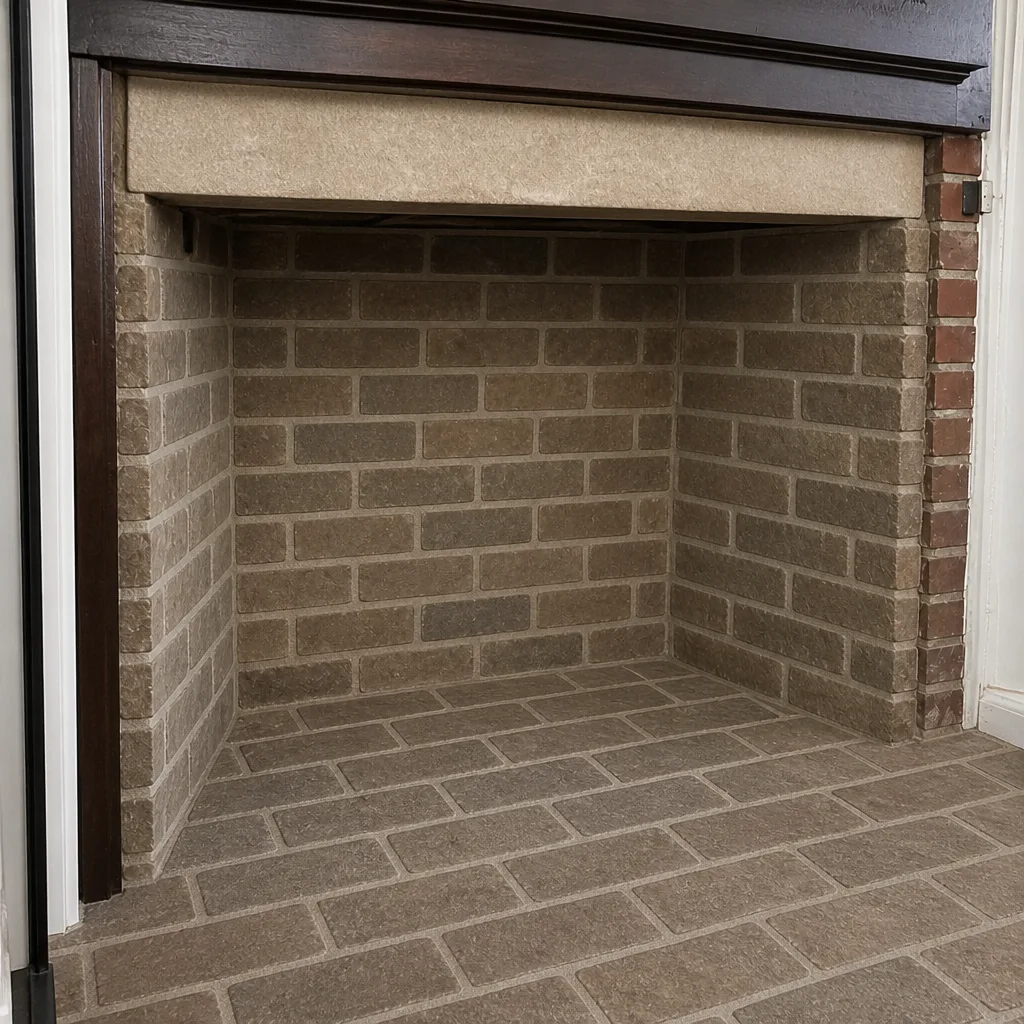
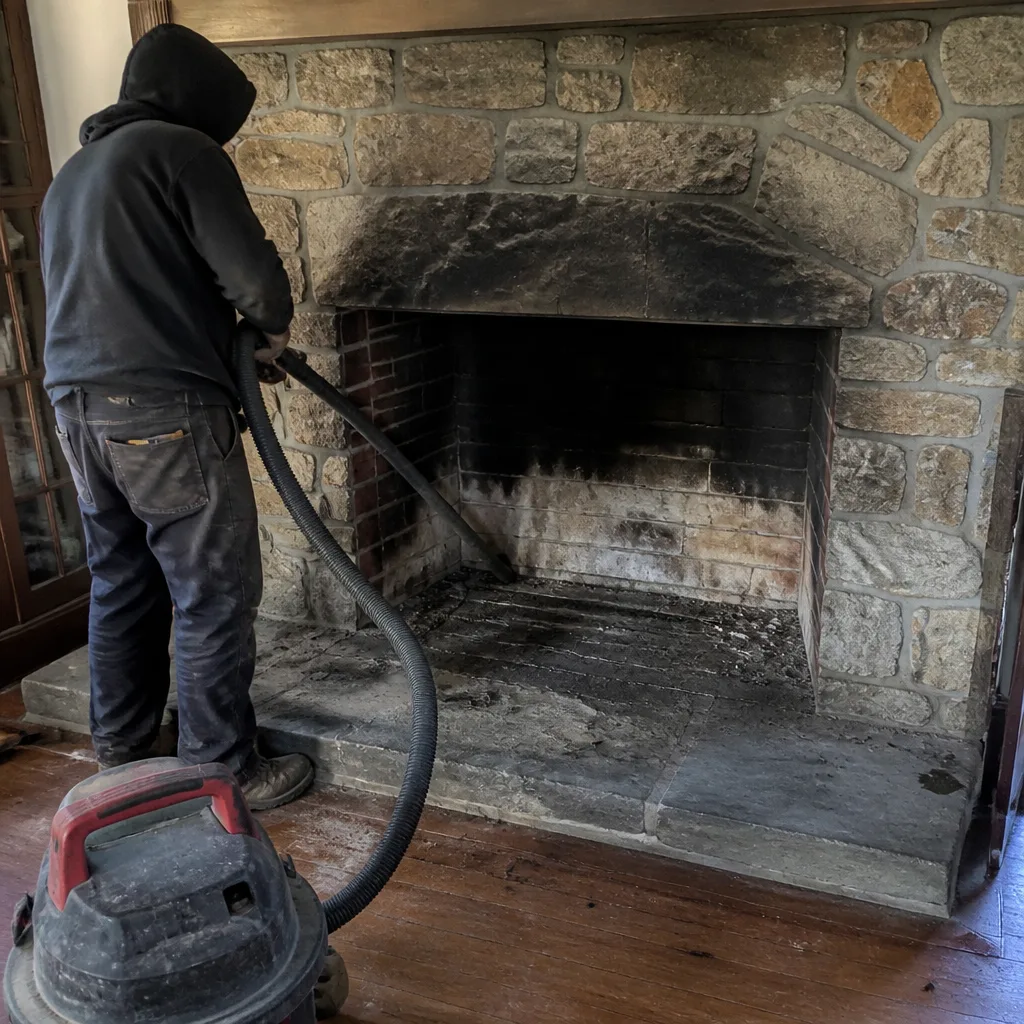
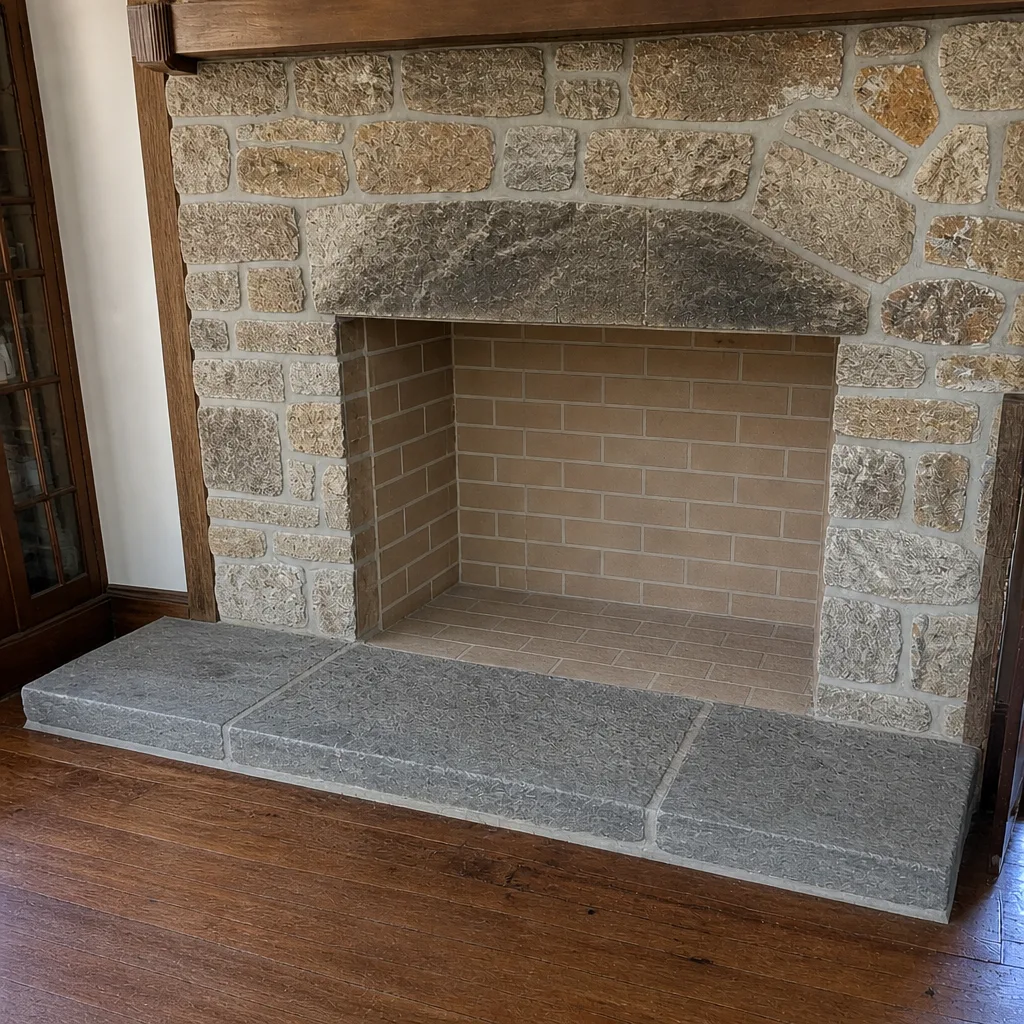
See the difference
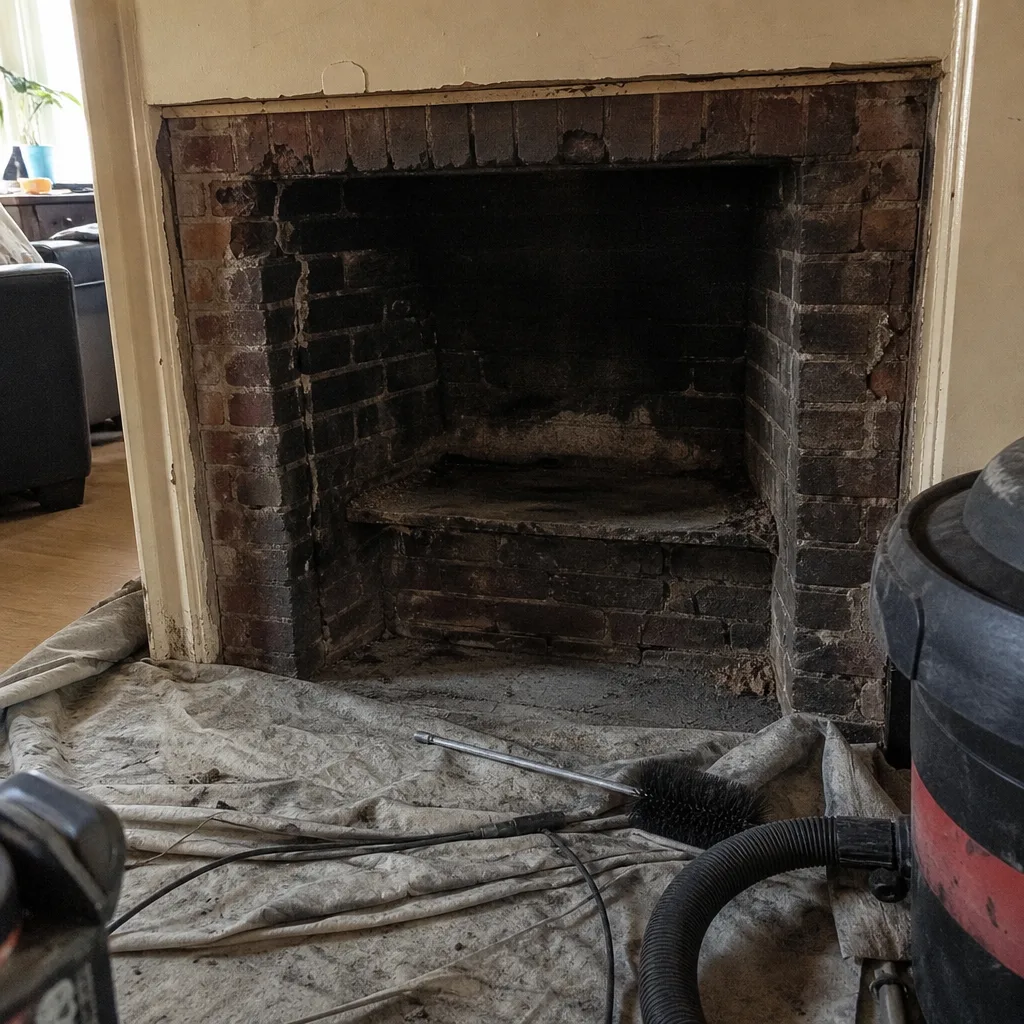 Before
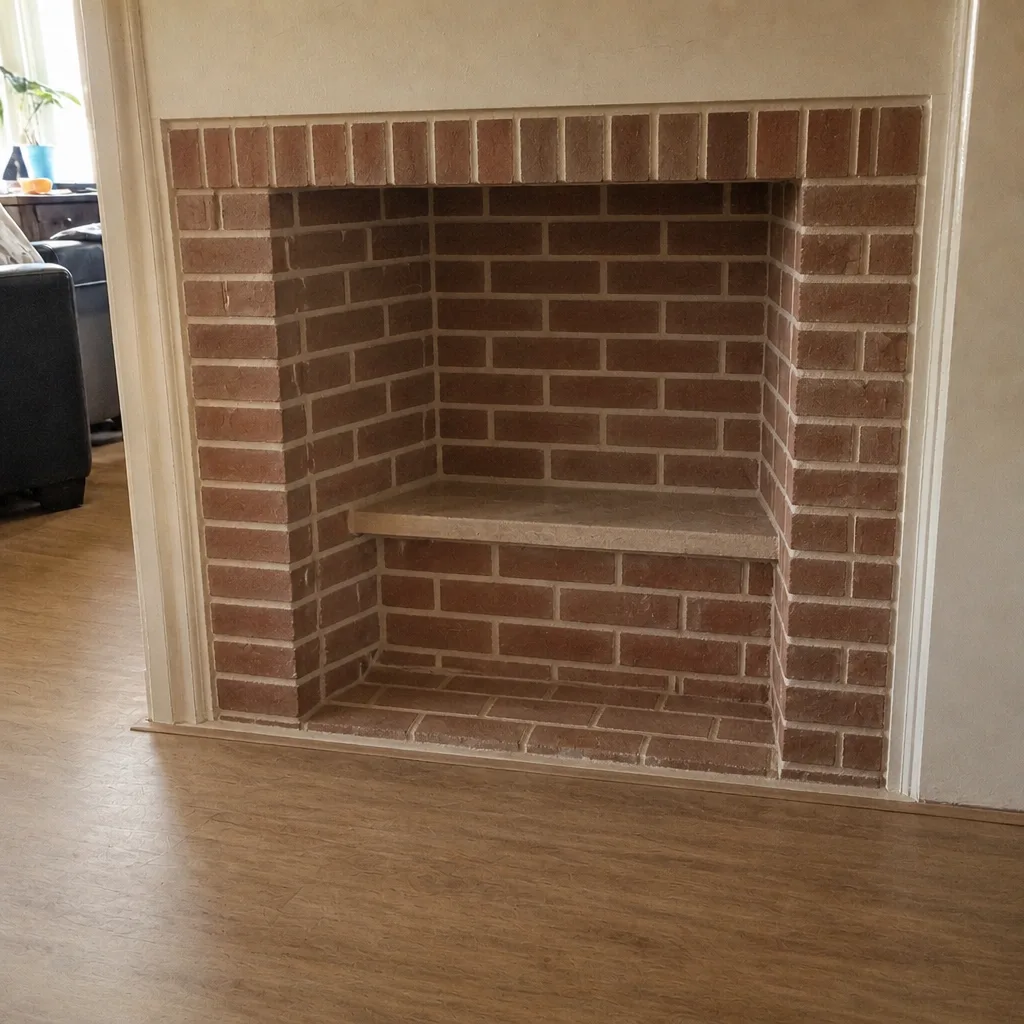 After
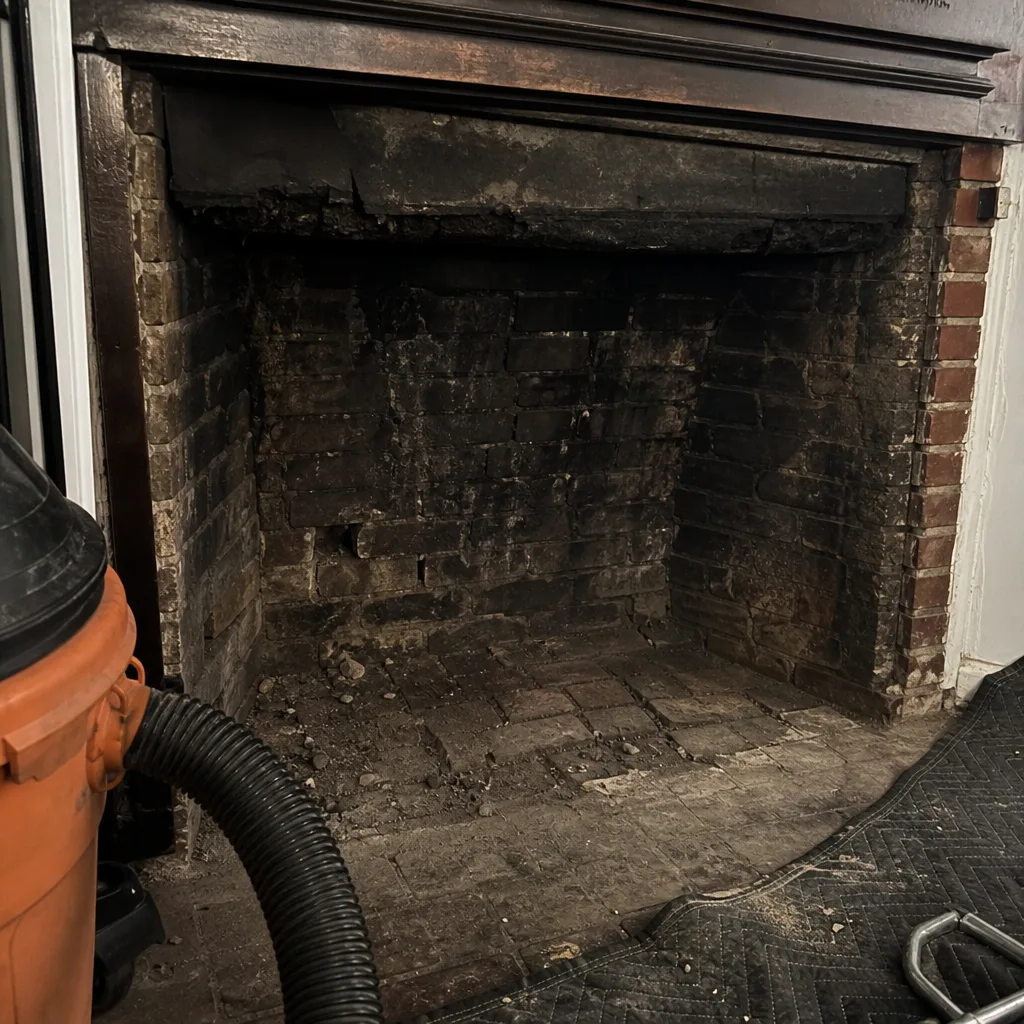 Before
 After
 Before
 After
When to Call a Professional
Some chimney problems are obvious, and some are invisible until a camera finds them. Call a professional if you notice a strong, acrid smell when the fireplace is idle, if smoke rolls back into the room instead of going up, if the damper won’t open or close smoothly, or if you’ve had a chimney fire of any size. A cracked liner, a separated tile joint, or a crossover between flues in a shared Bedford-Stuyvesant stack won’t announce itself with a symptom you can see from the hearth, which is exactly why camera inspection matters.
Chimney Sweep Bedford-Stuyvesant offers free estimates in Bedford-Stuyvesant. Call (855) 724-0919. We answer 24/7. Fast dispatch from 7am to 7pm, Sunday through Friday. Our technicians have up to 11 years of experience, and every recommendation we make is tied to camera evidence you can see for yourself.
Frequently Asked Questions
Chimney cleaning in Bedford-Stuyvesant is priced per job, and the written estimate sets the final cost once we’ve seen the flue and the stack. A standard sweep (fireplace flue, smoke chamber, damper, and a visual check) sits at the low end, while a shared-stack rowhouse that needs both flues cleaned and a camera inspection sits higher. The estimate is free, so you know the number before any work begins. Call (855) 724-0919 for an exact quote, and we’ll inspect first so the price reflects what your chimney actually needs.
A chimney should be cleaned and inspected once a year if you burn wood, and inspected before use if it’s been idle. Bedford-Stuyvesant rowhouses with heavy seasonal burning may want a mid-season check, especially where fine particulate from nearby roads adds to the creosote load. Lightly used fireplaces still need the annual inspection, because the concern is the liner’s condition, not just the amount of soot. Call (855) 724-0919 to book an inspection and get a straight answer on your flue.
A Level II inspection is needed when you buy or sell a Bedford-Stuyvesant rowhouse, change fuel types, add an appliance, have had a chimney fire, or are about to use a chimney that’s been sitting idle. A routine annual sweep includes a Level I visual check, which covers accessible parts. The Level II adds a camera run and a close look at the smoke chamber, crown, and every flue in the stack. We offer inspection as a standalone service, so you can get the assessment without committing to any repair work.
Skipping cleaning lets creosote build up in the flue, and thick creosote is a genuine chimney fire hazard because it’s highly flammable. A flue that’s never inspected can also develop a cracked liner or a crossover to a neighboring flue without any visible sign, which is how exhaust can find its way back into a room. The risk grows quietly with each season. Call (855) 724-0919 for an inspection, and we’ll show you exactly what’s in the flue.
Yes, it does. A shared stack in a Bedford-Stuyvesant rowhouse means both flues need cleaning and inspection, and the partition between them needs checking for cracks that allow cross-contamination. Cleaning one flue and skipping the other leaves half the system unexamined. A camera run through both flues is the only reliable way to confirm they’re properly separated. Call (855) 724-0919 to book a shared-stack cleaning and inspection.
A blocked or damaged flue can let carbon monoxide from a boiler, water heater, or fireplace fail to vent properly, and a crossover between flues in a shared stack can carry that exhaust into the wrong space. That’s a real hazard, not a scare tactic, and it’s exactly what a Level II inspection is designed to catch. If you have any doubt about your venting, get it inspected before you rely on it. Call (855) 724-0919 and we’ll have a look.
The Bottom Line
Chimney cleaning in Bedford-Stuyvesant is a bigger job than a brush down the fireplace flue, because these rowhouses were built with shared stacks, aging clay-tile liners, and layers of creosote from different eras of fuel. The cleaning that protects your home is the one that covers both flues, matches the treatment to the type of deposit, runs a camera, and checks the crown and cap. Start with an inspection, see the evidence for yourself, and let the written estimate set the price per job. One company, every part of the chimney system, from the sweep to the cap and crown. Call (855) 724-0919 for a free estimate. We answer 24/7. Fast dispatch from 7am to 7pm, Sunday through Friday.
Written by the team at Chimney Sweep Bedford-Stuyvesant.