
Last updated November 22, 2026
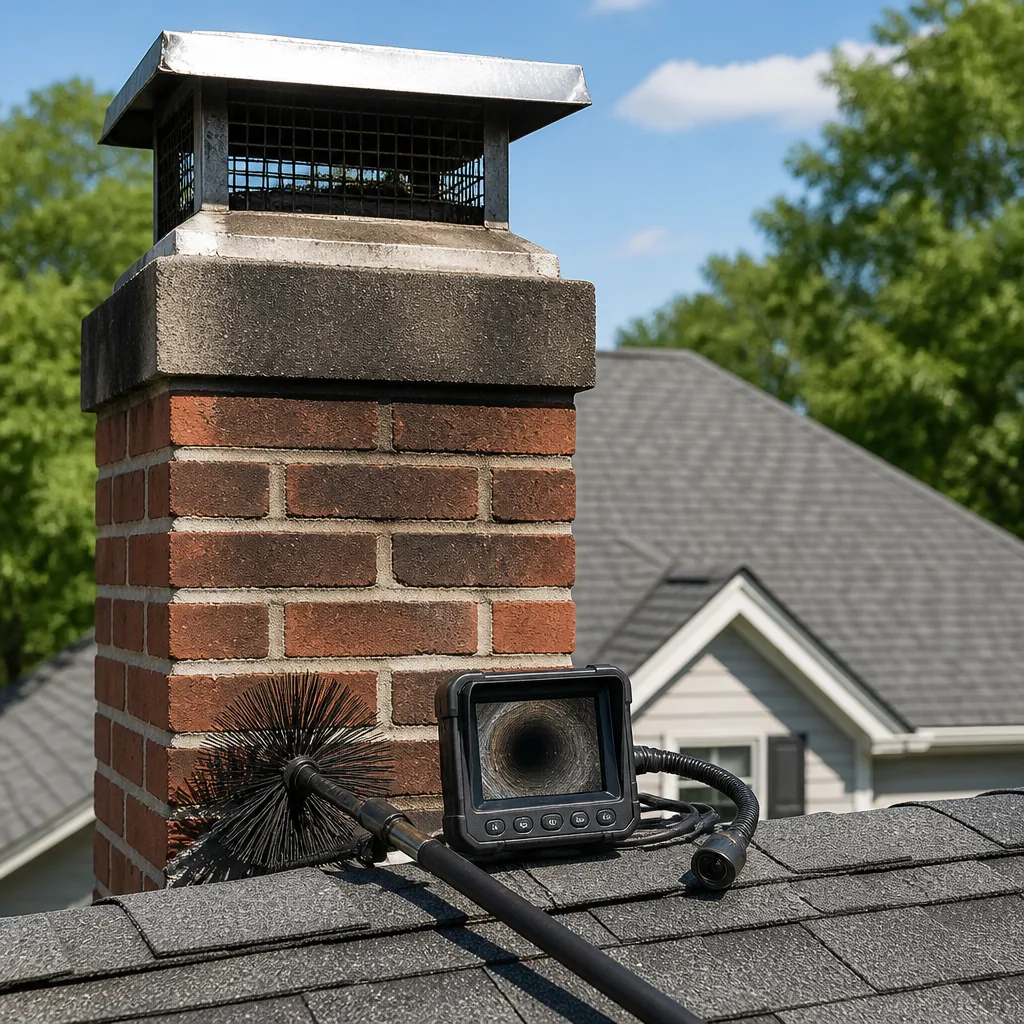 Sweep & inspection
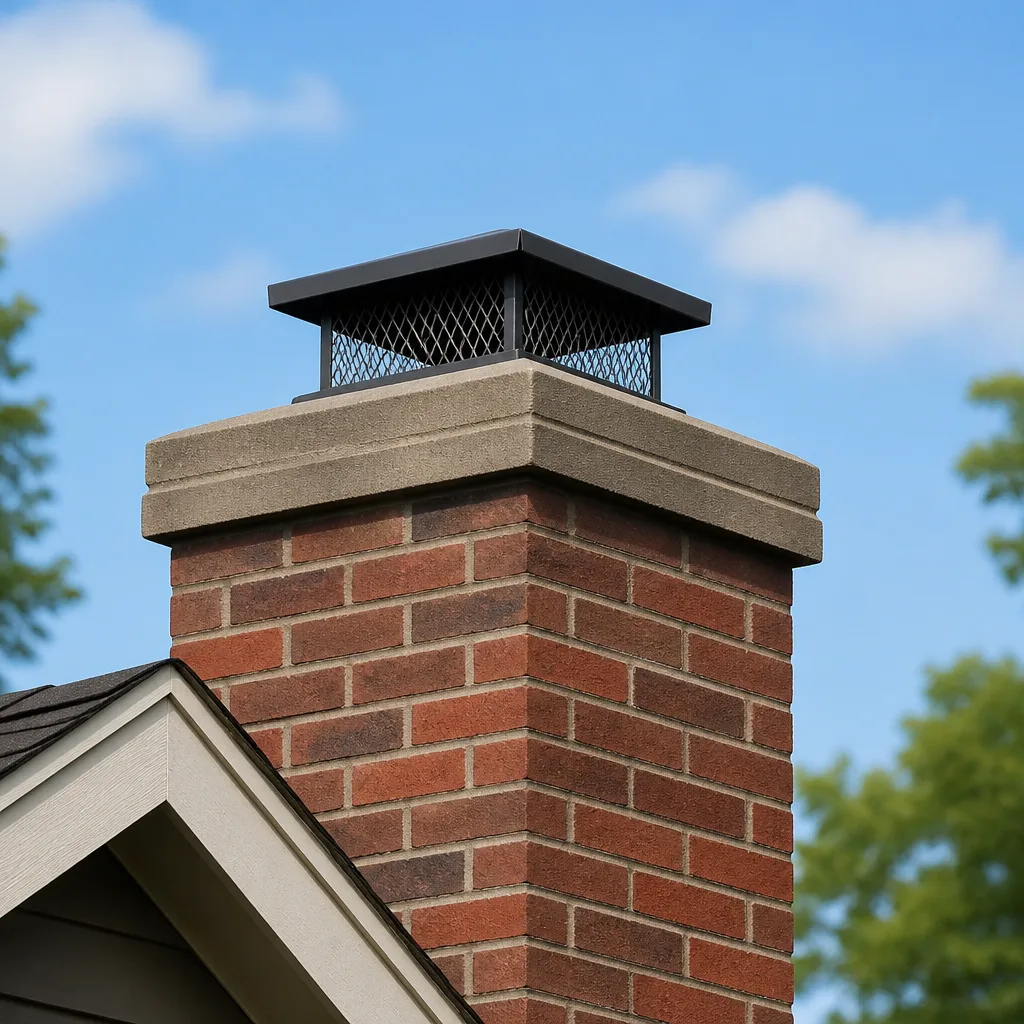 Caps & crowns
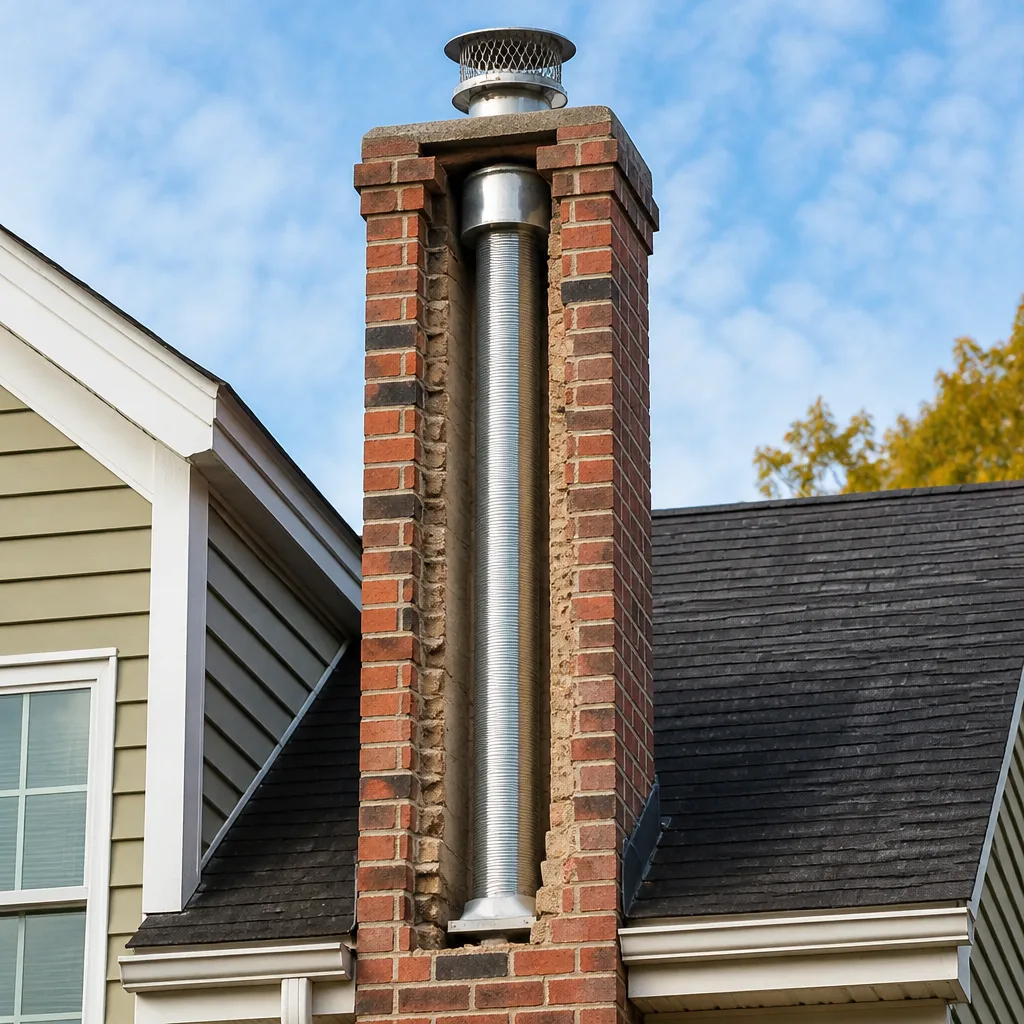 Flue relining
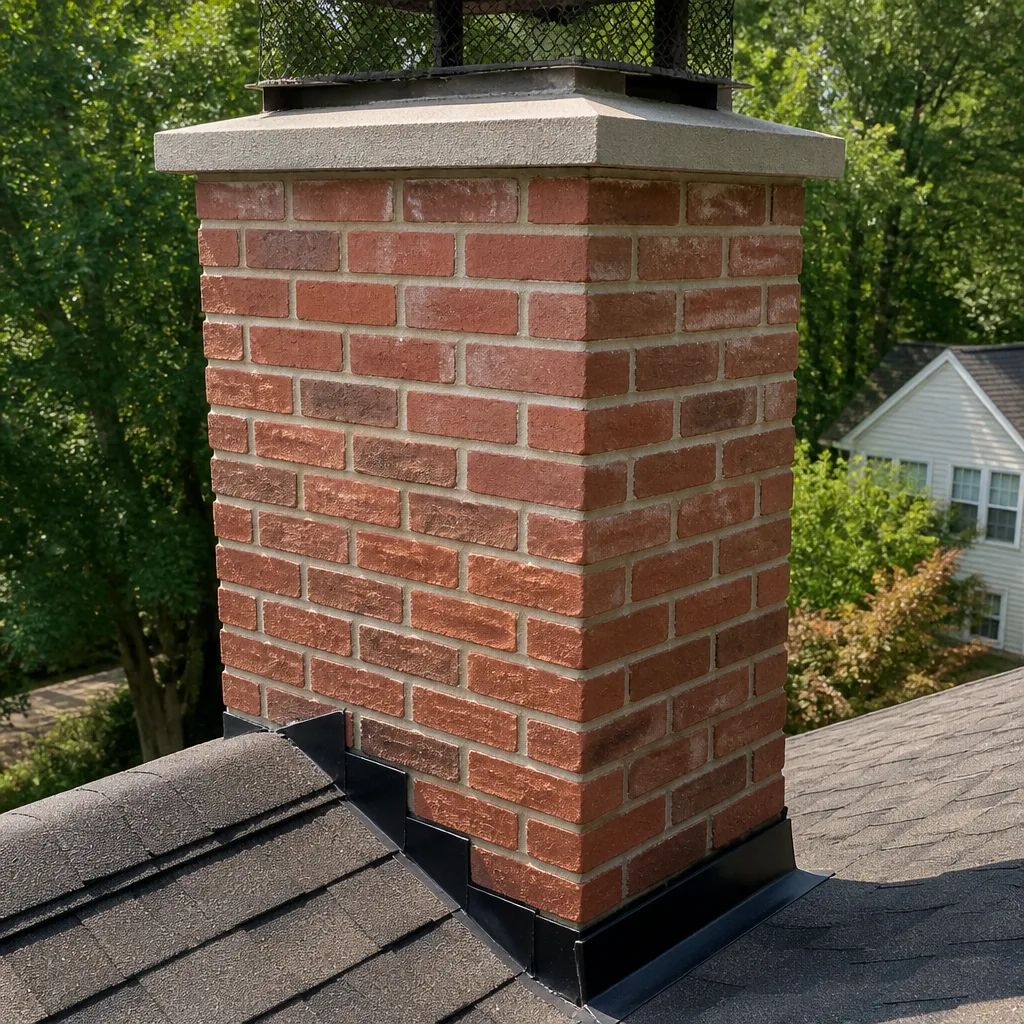 Masonry repair
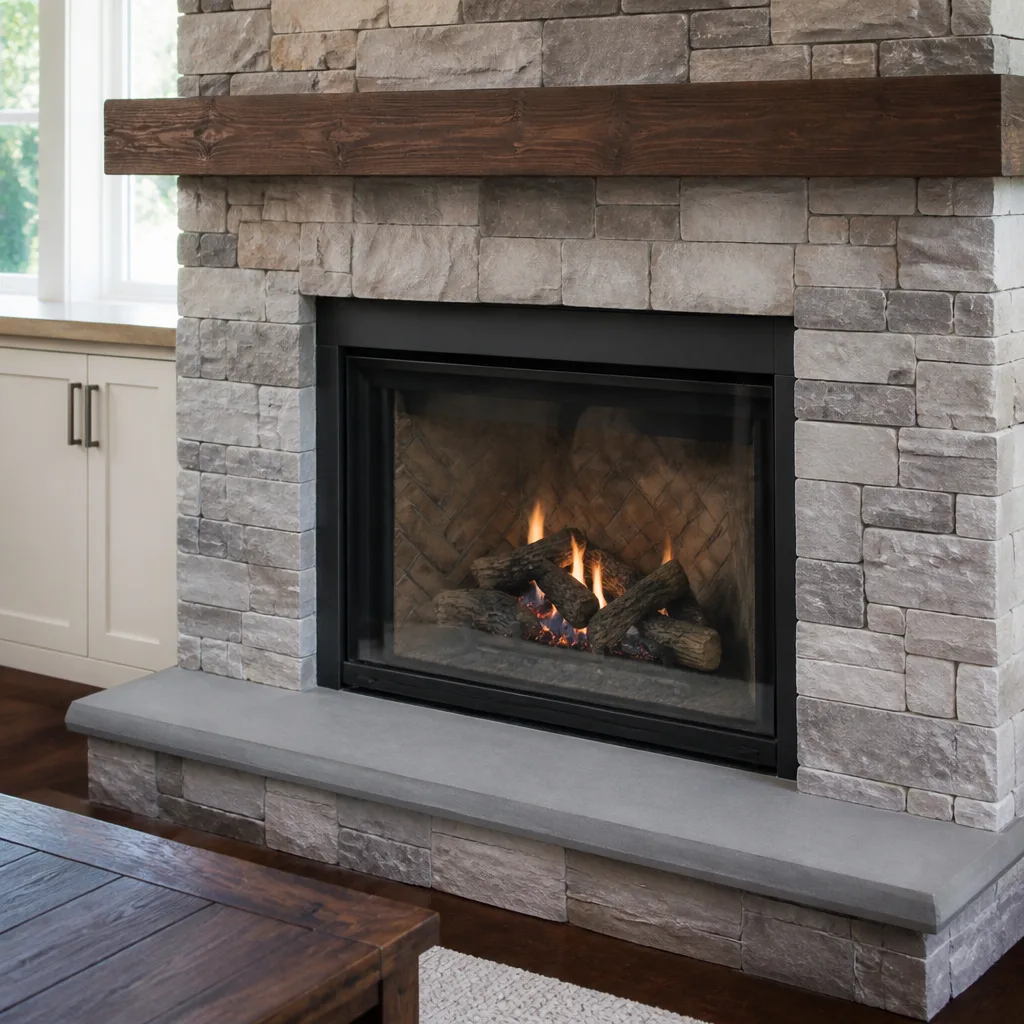 Gas fireplace service
Level 1 sweep and inspection to the NFPA 211 annual standard - flue, crown, cap, and flashing checked and photographed
Chimney sweep logs do not sweep chimneys. They loosen some creosote - which then falls where a brush and vacuum still have to collect it.
Chimney Cleaning Warning Signs: A Bedford-Stuyvesant Homeowner’s Reference Guide
A white mineral stain on the exterior brick of a Bed-Stuy chimney stack is not a cosmetic issue. It is the visible residue of water that has been moving through the masonry for weeks, sometimes months. Most chimney warning signs work the same way: they are visible and readable by an attentive homeowner long before they become an emergency. The problem is that in a 100-year-old Bedford-Stuyvesant rowhouse, everything shows some wear, so it’s easy to blame the chimney’s symptoms on something else. This guide decodes what each specific sign means inside the system, and separates the harmless from the urgent.
Styles & brands we work with
- Sweep & inspection
- Caps & crowns
- Flue relining
- Masonry repair
- Gas fireplace service
Quick Answer
The warning signs that matter most in Bedford-Stuyvesant chimneys are white efflorescence staining, spalling brick, rusted dampers, flaking firebox mortar, smoke rolling into the room, and three distinct odor types that each point to a different failure. Stop using the fireplace immediately for smoke rollout, a burning-plastic smell, or mortar falling onto the firebox floor. Schedule service within 30 days for staining, rust, and sulfur or musty odors. Monitor and document hairline surface weathering only when nothing else is present.
Table of Contents
- Symptom-to-Cause: What Each Sign Is Telling You
- White Staining and Spalling Brick: Water, Not Cosmetic Wear
- Pre-War Masonry: Corbeled Offset Cracking Versus Normal Weathering
- Odor Diagnostics: Sulfur, Musty, and Burning-Plastic Smells
- Why Smoke Rolls Into the Room (It Isn’t Always a Blocked Flue)
- Urgency Triage: Stop Today, Call Within 30 Days, or Monitor
- What a Proper Chimney Inspection Involves
- Common Mistakes to Avoid
- When to Call a Professional
- Frequently Asked Questions
- The Bottom Line
Symptom-to-Cause: What Each Sign Is Telling You
Every chimney symptom has a physical cause, and the cause usually lives one or two layers away from where the symptom appears. Efflorescence on the exterior means water is migrating through the masonry from inside the stack or from above. Damper rust means moisture is condensing inside the flue. Smoke rollout means the draft has been disrupted somewhere between the firebox and the top of the stack. What makes Bedford-Stuyvesant chimneys tricky is that the same symptoms show up on completely different failure points depending on the stack’s era and construction.
Here is a reference you can bring to an inspection:
- White powder or staining on exterior brick: efflorescence – water has pushed mineral salts through the masonry to the surface.
- Crumbling or flaking brick faces: spalling – freeze-thaw cycling has broken the masonry down past the surface.
- Rust on the damper or firebox hardware: sustained moisture inside the flue, usually from a missing or failing cap.
- Flaking or sandy firebox mortar: heat cycling has broken down the joint; the firebox is no longer sealing properly.
- Smoke rolling into the room: draft disruption, from a blocked flue, a negative-pressure condition, or an oversize flue.
- Smell inside the firebox while dormant: sulfur, musty, or burning-plastic – each has a different failure behind it.
- Water in the firebox or on the smoke shelf: water intrusion at the top of the stack, almost always a crown or cap issue.
The value of the reference is prioritization: some signs mean “stop burning today,” and others mean “put it on the calendar.” We separate them below.
White Staining and Spalling Brick: Water, Not Cosmetic Wear
Efflorescence is a white powdery or crystalline deposit that appears on brick and mortar. It forms when water dissolves mineral salts inside the masonry and then evaporates at the surface, leaving the salts behind. The stain you wipe off is not the problem; the water that carried it there is. In a Bedford-Stuyvesant rowhouse, that water almost always enters at the top of the stack, either where the crown has cracked or where the chimney is missing a cap.
Spalling is the later stage. Once masonry is wet enough for long enough, the freeze-thaw cycle starts to force the outer face of the brick off in flakes and sheets. Brick faces that are flaking, crumbling, or pitting indicate the masonry is already degrading structurally, not just cosmetically. That matters because a mid-stack brick face failure also opens a pathway for more water. Here in Bedford-Stuyvesant, the pattern is exacerbated by freeze-thaw cycles across late winter, when water absorbed during a thaw refreezes and expands inside the brick, and by the wet springs that follow. Water enters above the roof line, percolates down through the masonry, and by the time you see staining at mid-height, it’s been moving for a while.
What we check first on a stained stack:
- Is the crown cracked, pitched incorrectly, or missing overhang?
- Is a chimney cap present, and is it sized and secured correctly over the flue?
- Is there a visible seam or gap in the mortar joints above the staining?
- Does the interior of the flue show corresponding water staining, which points to the same water source?
If the answer to any of these is yes, the fix is a chimney cap & crown repair: the two components that keep water out of the top of the stack. Left alone, efflorescence leads to spalling, and spalling leads to masonry repair. The order of operations matters; correcting the water source before repointing masonry is what makes a repair last.
Pre-War Masonry: Corbeled Offset Cracking Versus Normal Weathering
Bedford-Stuyvesant has one of the largest collections of pre-war rowhouse chimneys in New York, and that construction has a specific behavior that homeowners often misread. Old stacks are frequently corbeled: each brick course steps slightly inward as the stack rises, and multiple flues share a single masonry mass. Hairline cracking in corbeled masonry can be normal weathering; a crack along a corbeled offset that opens wider than a hairline and follows the seam can indicate something structural.
Distinguishing between the two is where most homeowners get it wrong. Here is the practical read:
- Surface weathering: fine crazing across the brick face, slight color fading, individual mortar joints receding a few millimeters, all stable from season to season.
- Structural concern: a crack that follows the horizontal seam of a corbeled offset, opens visibly beyond a hairline, or shows differential movement on either side.
- Structural concern: a stack that has visibly leaned or shifted relative to the roofline.
- Structural concern: a crack that reappears after repointing, indicating the movement isn’t resolved.
Liner condition has its own version of this confusion. Liner spalling – chips or chunks of clay liner material flaking into the flue – is a material failure and needs attention. Dark surface residue, on the other hand, is normal soot and creosote buildup that comes off in a sweep. If you’re not sure which you’re looking at, an inspection with camera documentation is the way to know. Mentioning this to a neighbor with a similar rowhouse can help too; blocks of Bedford-Stuyvesant were built during overlapping decades, and neighbors often have the same stack configuration.
Documenting changes is a low-cost habit worth building. Photograph the chimney from the same vantage point each season and compare. It’s also why a standalone inspection is genuinely useful on older masonry: you get a documented, unbiased assessment before any repair recommendation, and a baseline to measure against.
Odor Diagnostics: Sulfur, Musty, and Burning-Plastic Smells
Odors are one of the most useful diagnostic signals in a chimney because each type points to a distinct failure. Homeowners often lump them together as “the chimney smells,” but sulfur, musty, and burning-plastic smells have nothing in common underneath.
Sulfur Smell
A sulfur or rotten-egg smell from a dormant fireplace usually points to creosote that has combined with moisture and begun to break down. It can also indicate that flue gases are not venting correctly and are finding a way back into the room. A sulfur smell is one of the cues to stop burning until you’ve had the flue assessed.
Musty or Wet Smell
A musty, damp, or basement-like odor is a moisture signature. It typically points to water intrusion at the top of the stack, most often a missing cap or a crown that has lost its pitch and is pooling water. Musty smell plus rusted damper hardware is a strong pairing: both come from sustained moisture in the flue.
Burning-Plastic Smell
A burning-plastic or chemical smell is the most urgent of the three. It usually comes from a thermal event involving materials in or near the flue, such as a component, seal, or object not rated for the temperatures a chimney reaches. Stop using the fireplace immediately and have the flue inspected before lighting another fire.
In our experience across Bedford-Stuyvesant, addressing the odor without addressing the underlying moisture or draft issue is a temporary fix. A camera inspection is what turns “the chimney smells” into a specific repair scope. We supply and install only professional-grade chimney components from brands like DuraFlex and Copperfield so that the material behind the repair matches the severity of the problem.
Why Smoke Rolls Into the Room (It Isn’t Always a Blocked Flue)
Smoke rollout is the warning sign people notice first, and it is also the one most often misdiagnosed. The instinct is to assume the flue is blocked. Sometimes it is. But in Bed-Stuy rowhouse stacks, especially those that share a chimney mass with a neighboring flue, smoke rolling into the room often signals a pressure problem instead: a negative-pressure condition where a neighboring flue, another exhaust device, or a tight modern envelope pulls air and smoke the wrong way. The fix for a negative-pressure problem is different from the fix for a blocked flue, and the two shouldn’t be treated as the same call.
When we look at smoke rollout, we work through a specific sequence:
- Check the flue for blockage: nest material, a fallen cap component, or a collapsed liner section can all obstruct the flue.
- Check the flue size relative to the firebox opening: an oversized flue loses draft velocity and can produce rollout even when clear.
- Check for competing exhaust in the building: bathroom fans, range hoods, or a second appliance drafting through the same stack can pull the chimney into negative pressure.
- Check the cap: the wrong cap size or a cap installed with insufficient height above the flue mouth can disrupt draft.
- Check the firebox and smoke shelf: a smoke shelf that has filled with debris reintroduces smoke into the room.
Smoke rollout with no explanation is a stop-burning sign until the cause is identified. It is one of the clearest reasons an inspection comes before a sweep or repair. Smoke that rolls out on lighting but clears once the fire is hot points in a different direction than smoke that rolls out continuously. Note which you have before you call.
Urgency Triage: Stop Today, Call Within 30 Days, or Monitor
Not every warning sign is an emergency, and treating every sign as urgent makes people ignore all of them. Here is how we sort them.
Stop Using the Fireplace Today
- Smoke rolling into the room with no clear cause.
- A burning-plastic or chemical smell from the firebox or flue.
- Chunks of mortar or liner material falling onto the firebox floor.
- A carbon monoxide alarm sounding in the same room as the fireplace.
- Visible soot or blackening on the firebox face or above the opening.
Schedule Service Within 30 Days
- Efflorescence on the exterior brick of the stack.
- Spalling brick faces on the stack.
- Rust on the damper or firebox hardware.
- A sulfur or musty smell from a dormant fireplace.
- Water in the firebox or on the smoke shelf.
- A missing cap or visibly cracked crown.
Monitor and Document
- Fine crazing on brick faces with no staining.
- Normal soot and creosote buildup inside the flue.
- Slight color change across the stack, stable over seasons.
If any sign from a higher tier appears alongside a lower-tier sign, treat the whole chimney at the higher priority. And if the fireplace hasn’t been swept in a while, a chimney sweep is the starting point regardless of which tier a sign falls into, because the sweep is where most problems first become visible. Clearing the flue is often how we confirm or rule out the most urgent causes on the list.
What a Proper Chimney Inspection Involves
An inspection is the tool that turns a symptom into a repair scope. On an older Bedford-Stuyvesant rowhouse chimney, a thorough inspection has predictable parts.
- Exterior assessment of the stack: crown condition, cap condition, masonry joints, evidence of staining, and any lean or differential movement.
- Firebox and damper assessment: mortar condition, firebox panel integrity, damper operation, and evidence of rust or moisture.
- Flue assessment: a camera run through the flue to check liner condition, evidence of spalling, blockage, and buildup.
- Draft assessment: checking the smoke shelf, flue size relative to the firebox opening, and airflow behavior.
- Documentation: a written report with photos, plus a clear scope for any repair recommended.
In real-estate transactions and insurance documentation, a standalone inspection is often enough on its own, separate from any sweep or repair. We treat inspection as its own service so the assessment you get is unaffected by whether a repair sale follows. If a repair is recommended, you should have camera evidence and a photo report you can review yourself, and if a repair can safely wait, that should be stated plainly too. You don’t need to take anyone’s word for it. A proper chimney chimney repair scope is built from the inspection findings, not from a general sense that something looks old.
Common Mistakes to Avoid
- Painting over efflorescence. Sealing a stained stack without fixing the water source traps moisture inside the masonry and accelerates spalling. The stain is the symptom; the source is above the roofline.
- Replacing a cap with a hardware-store version. A generic cap with the wrong fit or insufficient height can disrupt draft. Use a professional-grade cap sized correctly for the flue.
- Assuming smoke rollout means a blocked flue. In a multi-flue Bedford-Stuyvesant rowhouse stack, it often means a negative-pressure condition with a completely different fix.
- Ignoring a sulfur or musty smell because the fireplace is cold. Dormant chimneys still tell you what’s happening inside; a smell is information, not a nuisance.
- Repointing masonry before correcting the crown. New mortar on wet masonry fails quickly. Fix the water source first, then repoint.
- Treating a “since it’s open anyway” recommendation as automatic. Any repair should come with camera documentation and a plain explanation of what happens if you wait.
- Waiting for spring to address water intrusion. A winter’s worth of freeze-thaw cycling can turn a repairable crown into a masonry repair. Fall is the time to address it.
When to Call a Professional
A chimney problem belongs in trained hands when you can’t confirm the cause from the symptoms. Call us if you see smoke rolling into the room, smell sulfur or burning plastic from the firebox, find mortar or liner material on the firebox floor, or see water in the firebox. Call us if efflorescence or spalling appears on a Bedford-Stuyvesant stack and you don’t know whether it came from a crown or a cap. Call us if you’re buying or selling a home with a wood-burning fireplace and need documented inspection findings. Call if you haven’t had the chimney swept and you’re unsure when the last sweep was. Call if a carbon monoxide alarm has sounded anywhere near the fireplace, and stop using it until we’ve assessed. Our technicians have up to 11 years of experience on masonry chimney systems, and we work with the complete system, from the firebox to the crown. Chimney Sweep Bedford-Stuyvesant offers free estimates in Bedford-Stuyvesant. Call (855) 724-0919.
Frequently Asked Questions
The clearest signs are visible soot and creosote buildup inside the flue, a strong smell from a dormant fireplace, smoke rolling into the room, and moisture signs like rust on the damper or efflorescence on the exterior brick. If you can’t remember the last sweep, or you’ve moved into a Bedford-Stuyvesant rowhouse and don’t know the chimney’s history, start with a sweep and inspection. Call (855) 724-0919 for an exact quote. Estimates are free.
White staining itself isn’t dangerous. It’s a symptom: efflorescence means water has been moving through the masonry and leaving mineral salts on the surface, and water in the masonry leads to spalling if left alone. It’s not an immediate safety problem, but it’s a “schedule service within 30 days” item. Call (855) 724-0919 for an exact quote. Estimates are free.
A sulfur or rotten-egg smell from a dormant fireplace usually means creosote has combined with moisture, or that flue gases aren’t venting correctly. Stop using the fireplace until the flue has been assessed. Musty smells point to water intrusion; burning-plastic smells are the most urgent and should mean the same thing. Call (855) 724-0919 for an exact quote. Estimates are free.
In Bedford-Stuyvesant rowhouses, smoke rollout without a blockage is usually a negative-pressure problem: a neighboring flue, competing exhaust in the building, or a tight modern envelope is pulling air and smoke the wrong way. An oversized flue or an incorrectly sized cap can also produce rollout. The fix depends on the cause, so an inspection comes first. Call (855) 724-0919 for an exact quote. Estimates are free.
Some signs can safely wait and some can’t. Fine surface crazing without staining can be documented and monitored. Efflorescence, spalling, rust, and water in the firebox should be addressed before the next freeze-thaw cycle, which means booking ahead of winter rather than after. Smoke rollout and burning-plastic smells can’t wait at all. Call (855) 724-0919 for an exact quote. Estimates are free.
A sweep cleans the flue; an inspection tells you what condition it’s in. If you’ve never had the chimney inspected, or you notice any warning sign from this guide, an inspection gives you the documented findings you can act on. A sweep is often the starting point on a chimney that hasn’t been serviced in years, because buildups get cleared and problems become visible. Call (855) 724-0919 for an exact quote. Estimates are free.
The Bottom Line
Chimney warning signs in Bedford-Stuyvesant are readable, and they’re readable early. Efflorescence means water is moving through the masonry. Spalling means the masonry is losing material. Rust and water in the firebox mean the top of the stack is letting water in. Sulfur, musty, and burning-plastic smells each point somewhere different. Smoke rollout isn’t automatically a blockage in a rowhouse stack. And when in doubt, the difference between a sign that can wait and one that can’t is usually established by a camera inspection with documentation you can see. Start with an inspection, fix the water source before the masonry, and get the whole system – Chimney Sweep Bedford-Stuyvesant – handled by the same specialist, from sweep to crown.
Call (855) 724-0919 for a free estimate. We answer 24/7. Fast dispatch from 7am to 7pm, Sunday through Friday.
Written by the team at Chimney Sweep Bedford-Stuyvesant.
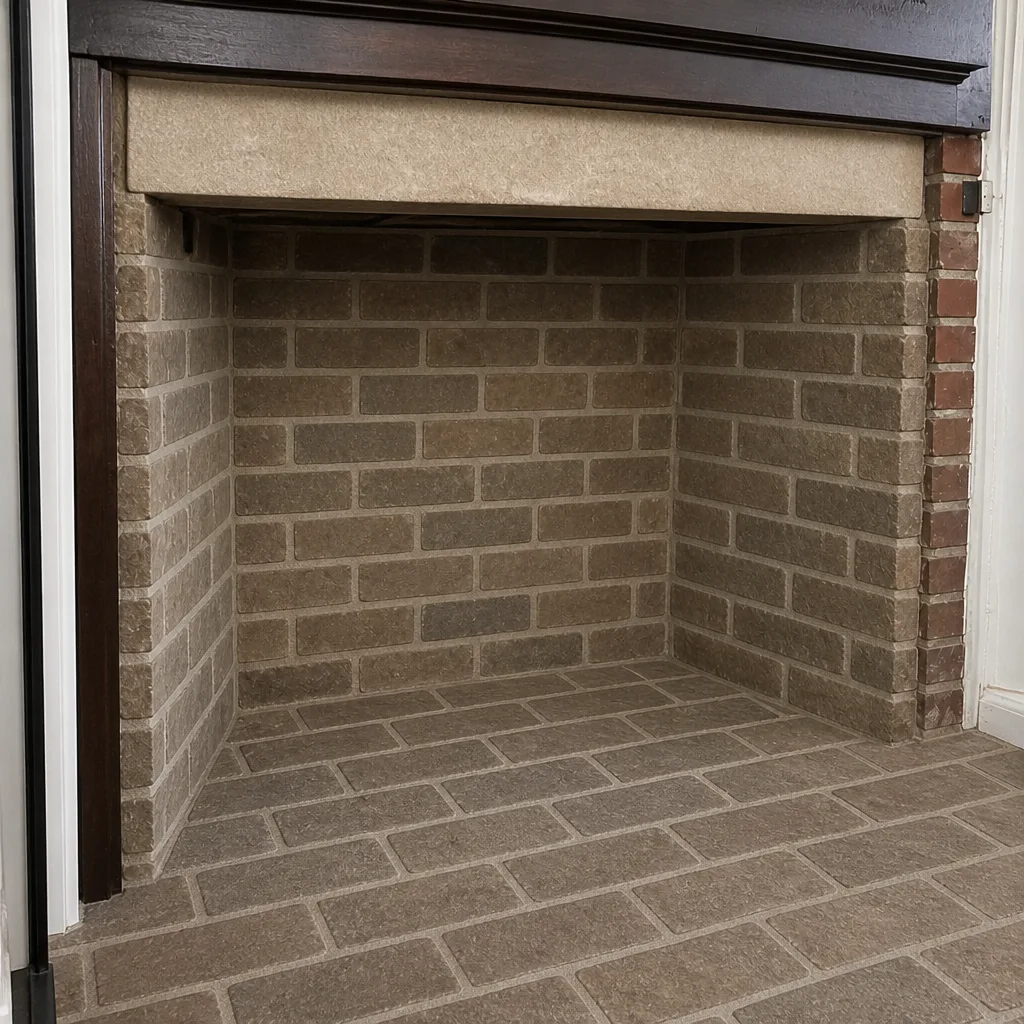
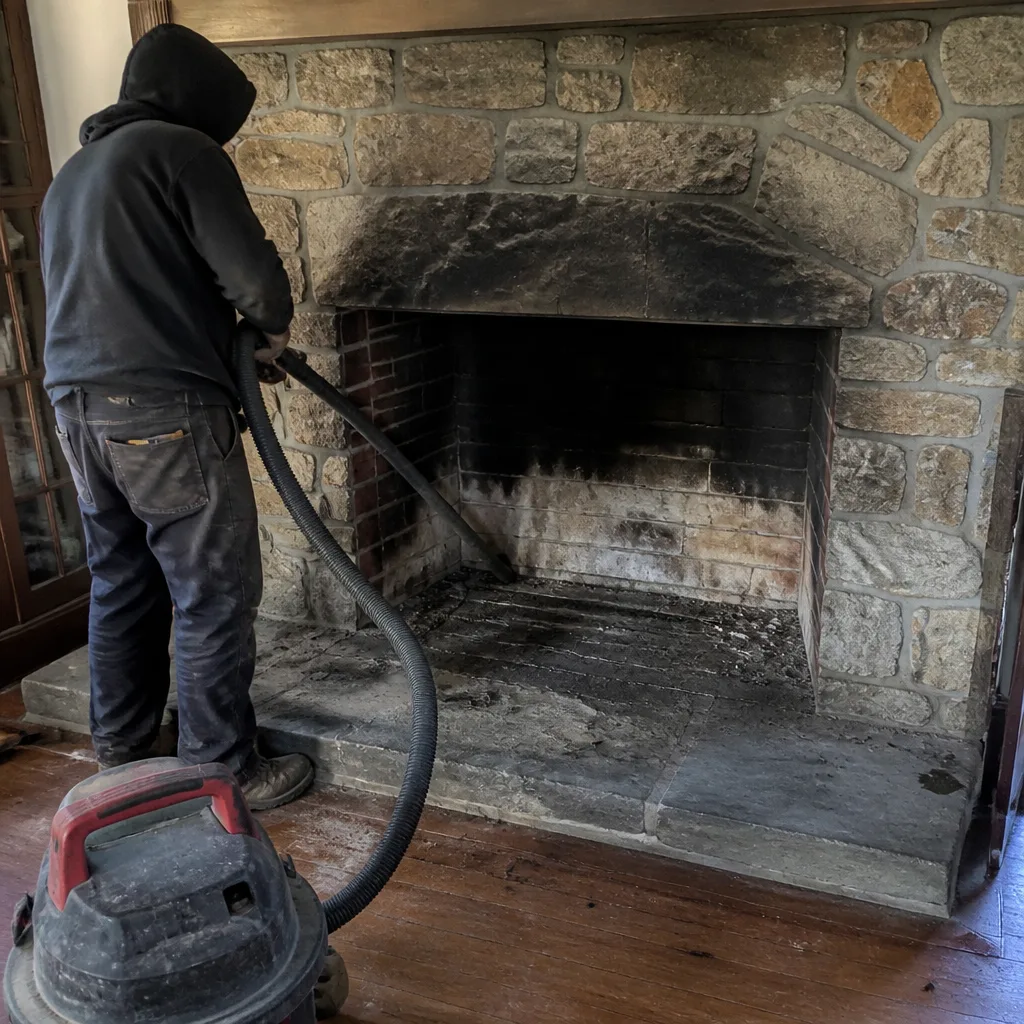
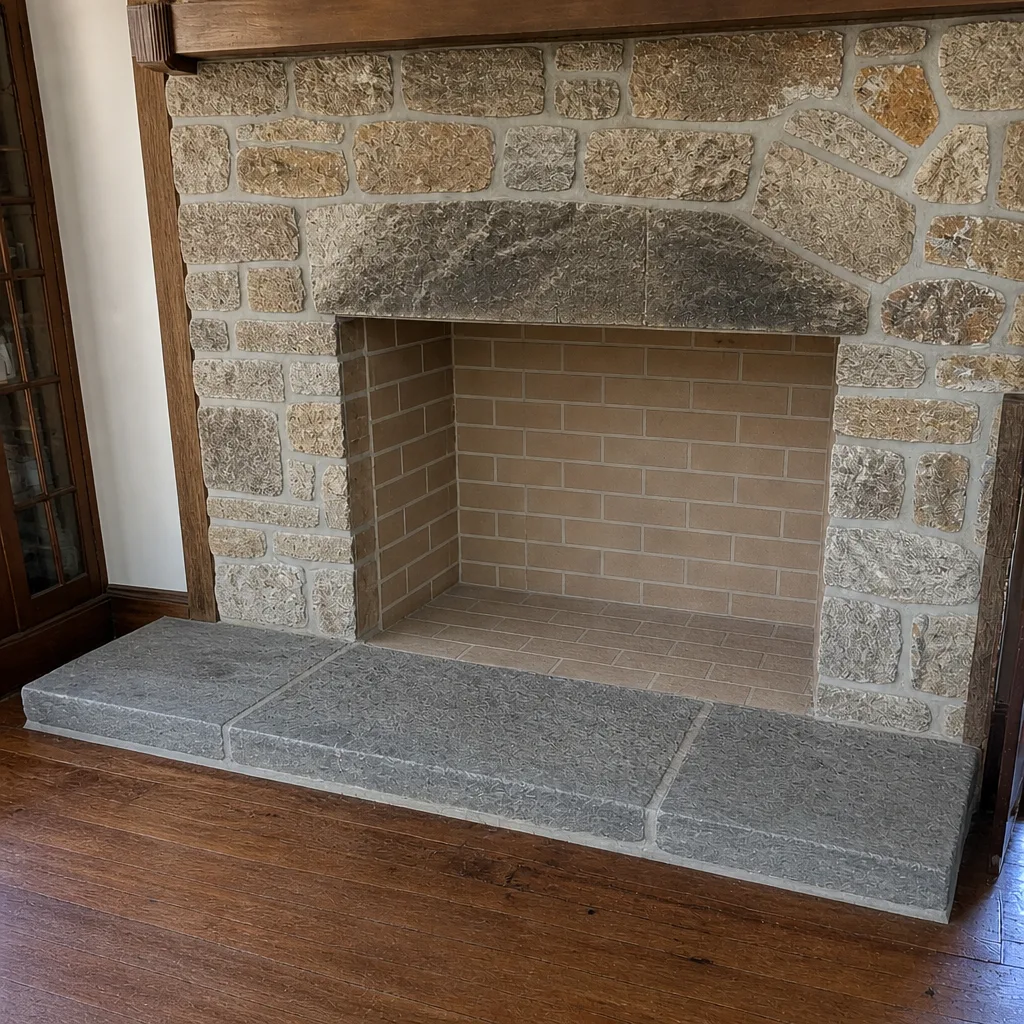
See the difference
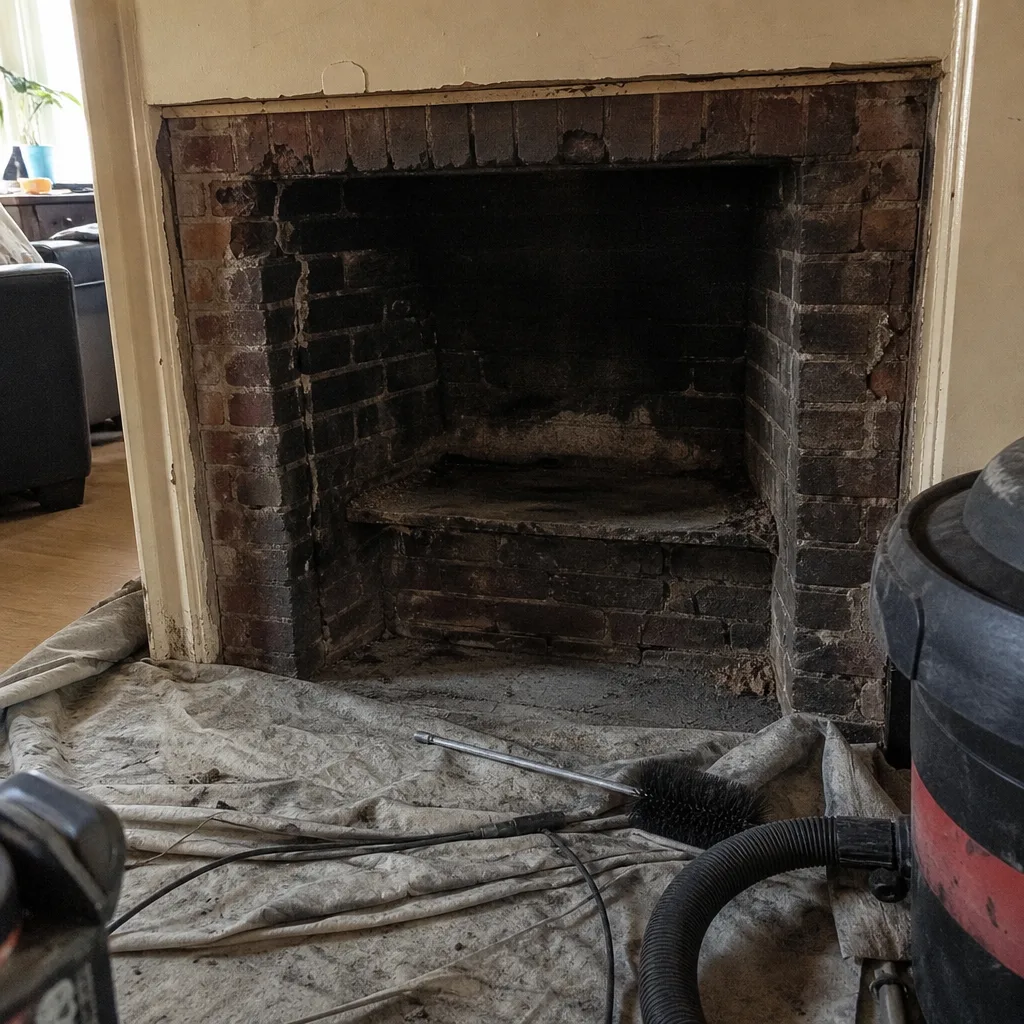 Before
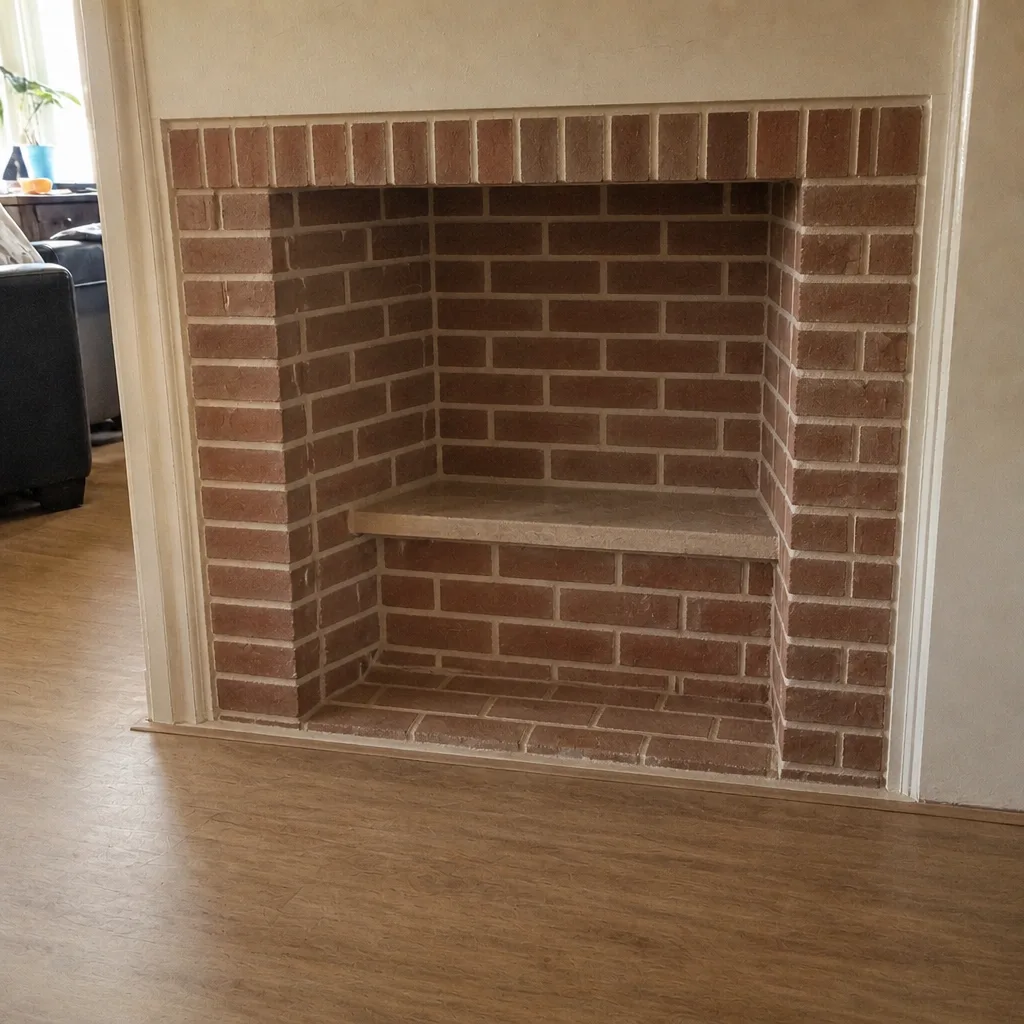 After
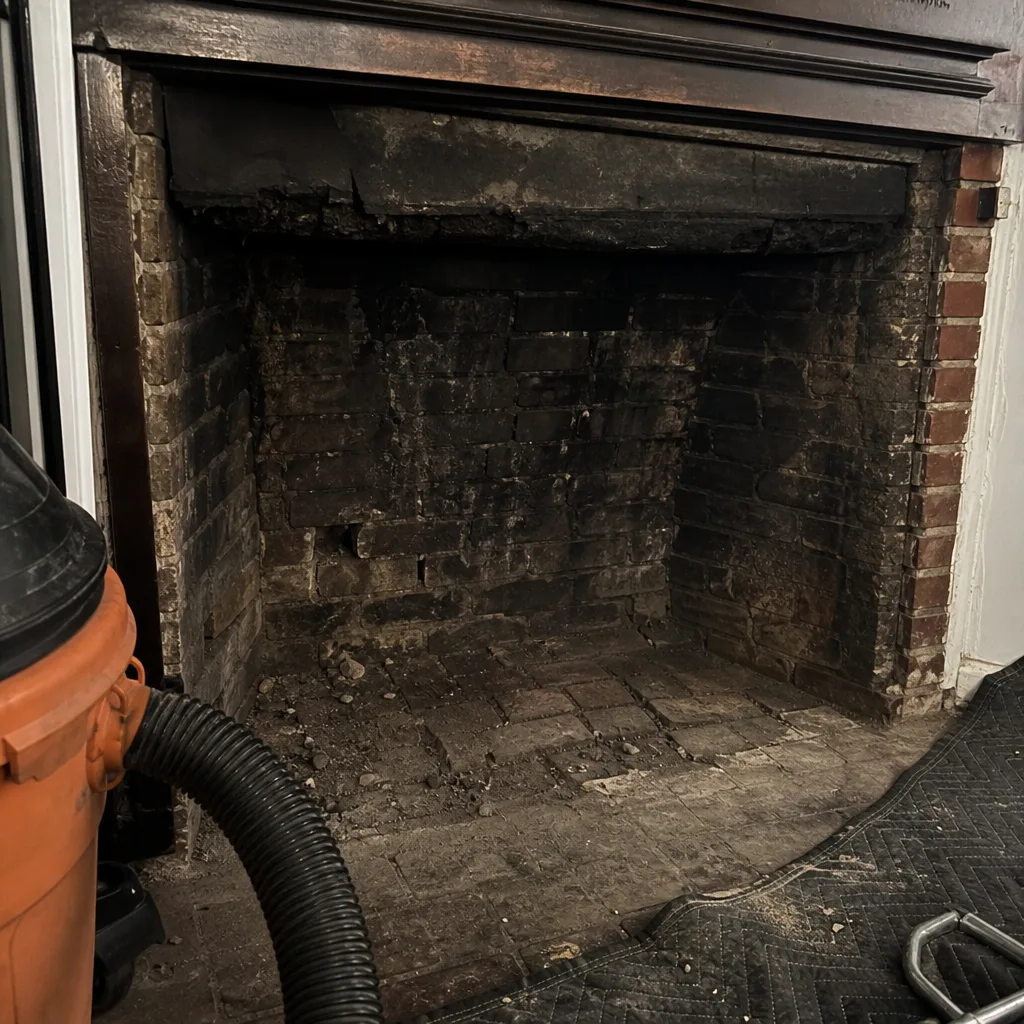 Before
 After
 Before
 After