
Last updated November 22, 2026
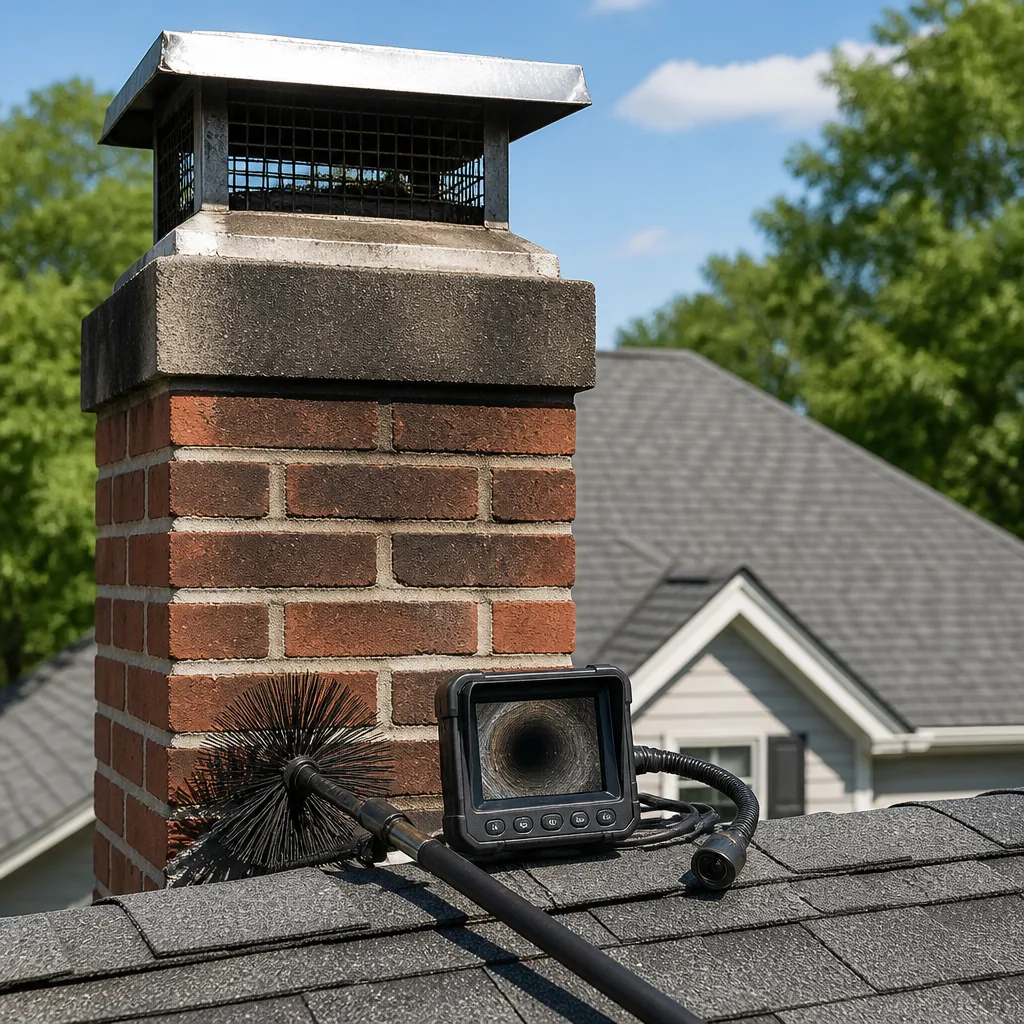 Sweep & inspection
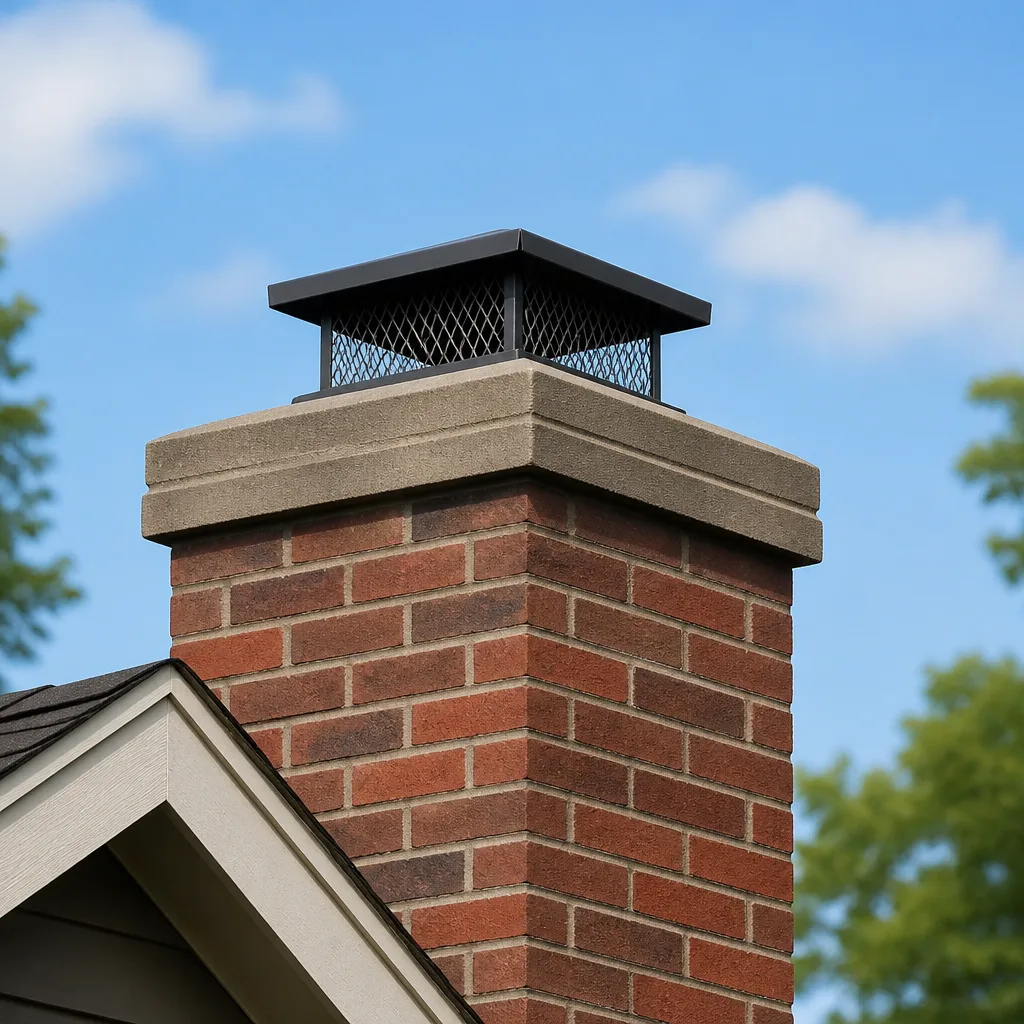 Caps & crowns
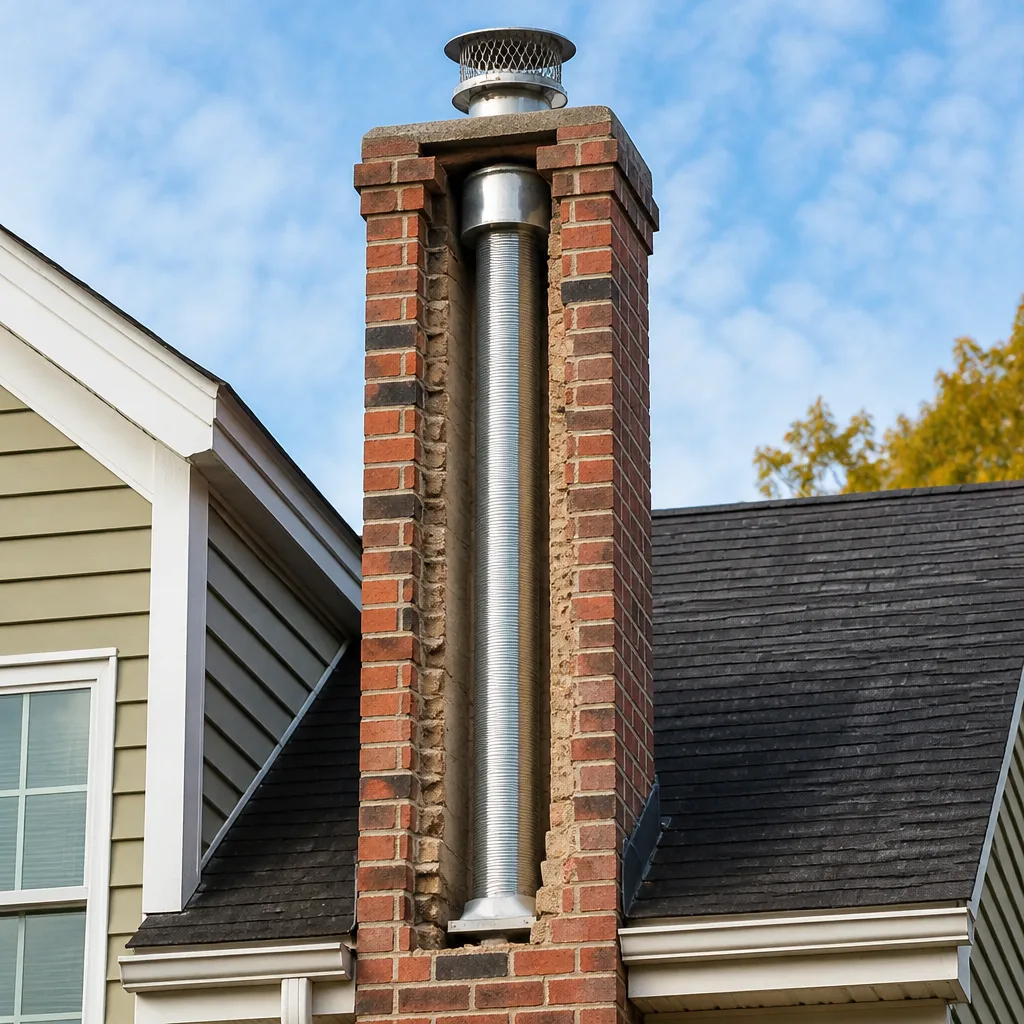 Flue relining
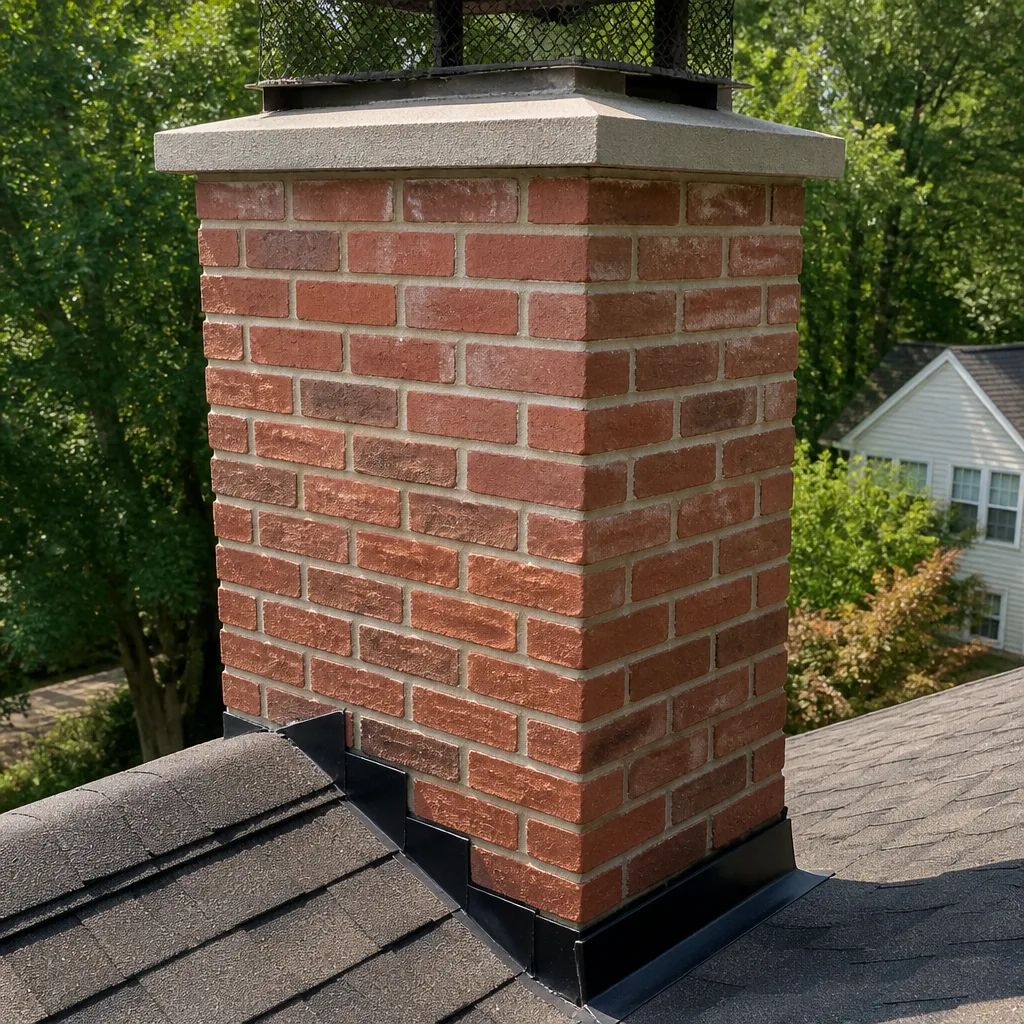 Masonry repair
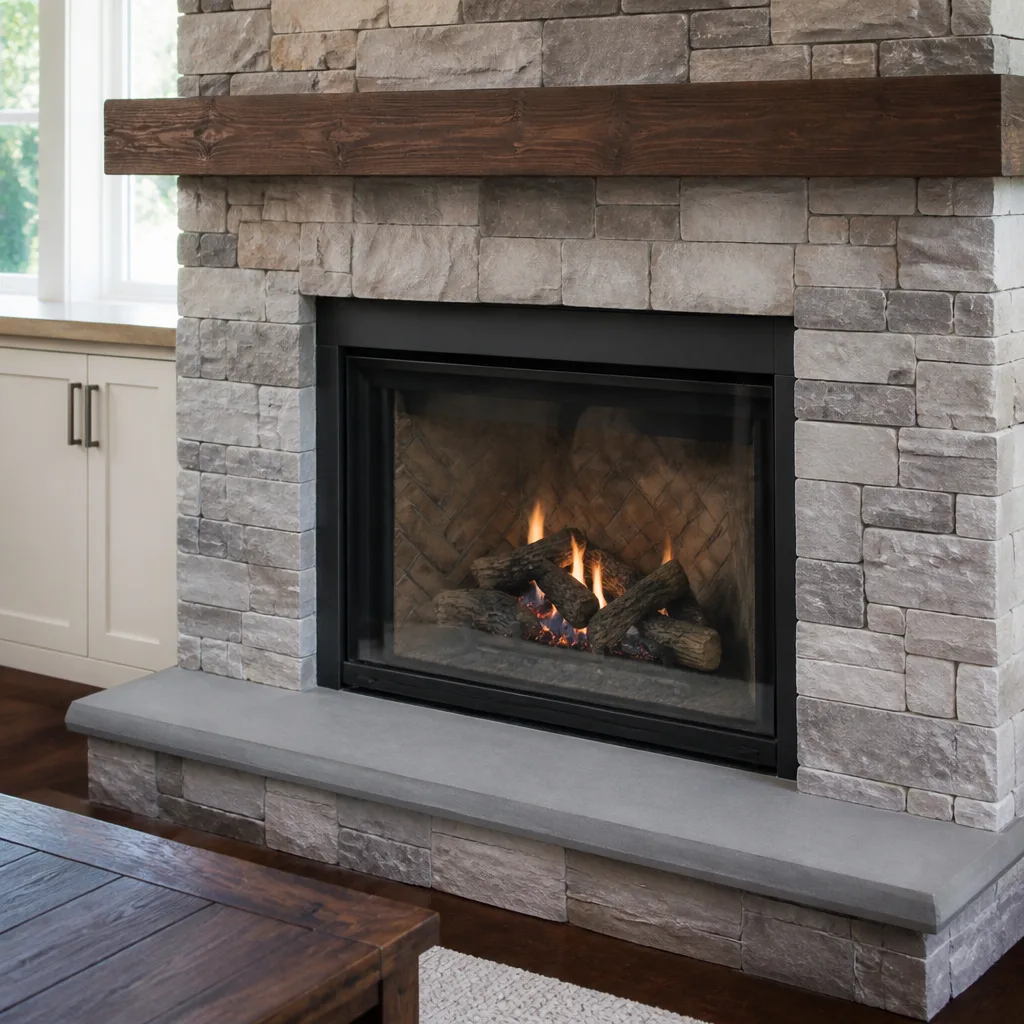 Gas fireplace service
Level 1 sweep and inspection to the NFPA 211 annual standard - flue, crown, cap, and flashing checked and photographed
Chimney sweep logs do not sweep chimneys. They loosen some creosote - which then falls where a brush and vacuum still have to collect it.
Chimney Cleaning Permits, Codes & Inspections in Bedford-Stuyvesant, NY: What You Need to Know
Cleaning a chimney rarely requires a permit. Changing the chimney does. That’s the line most Bedford-Stuyvesant homeowners don’t see until it becomes expensive – a stainless liner dropped into a brownstone flue without NYC Department of Buildings approval, a wood insert set into a masonry firebox with no filing on record, and then a buyer’s attorney runs a records check at contract and finds work that was never legalized. In New York City, replacing a deteriorated clay-tile liner with a stainless steel insert is an alteration under the Building Code, and unpermitted alterations can stall a sale. This guide draws the line between routine maintenance and regulated work, and shows you how to verify what’s already inside your walls.
Quick Answer
Routine chimney sweeping and cleaning in Bedford-Stuyvesant does not require an NYC DOB permit. Repair and alteration work does – relining a flue, installing a new appliance and venting it, or structurally modifying a chimney all fall under NYC Building Code Chapter 10 and NYC Mechanical Code Section 915, and generally require a permit plus an MEP filing by a licensed professional. A sweep’s inspection report is not a compliance inspection; a formal one is required when a filing is made, when a violation is issued, or when a property transaction demands documented evidence.
Styles & brands we work with
- Sweep & inspection
- Caps & crowns
- Flue relining
- Masonry repair
- Gas fireplace service
Table of Contents
- Permit or No Permit? The NYC DOB Line Between Cleaning and Repair
- How NYC Mechanical Code 915 and Building Code Chapter 10 Apply
- Common Bedford-Stuyvesant Chimney Scenarios, Mapped to the Rules
- When an MEP Filing Is Required
- FDNY Requirements in Converted Brownstones and Multi-Family Buildings
- How to Verify Prior Chimney Work Through NYC DOB BIS
- Sweep’s Inspection Report vs. Formal Compliance Inspection
- What This Work Typically Costs in Bedford-Stuyvesant
Permit or No Permit? The NYC DOB Line Between Cleaning and Repair
The distinction isn’t about how big the job feels. It’s about whether the work changes the chimney system or simply maintains it. Maintenance returns a component to the condition it was approved in. Alteration changes what’s there.
No permit is needed for:
- Sweeping the flue and firebox to remove creosote and soot
- Removing blockages such as bird nests or leaf debris, where no component is altered
- Visual inspection by a qualified technician, including camera inspection
- Replacing a chimney cap on a like-for-like basis at the flue top
A permit is generally required when the work crosses into these categories:
- Installing a stainless steel liner or relining an existing flue
- Rebuilding a chimney above the roofline or changing its height
- Adding, replacing or re-venting a wood stove, insert or gas appliance
- Rebuilding a firebox, smoke chamber or damper assembly in a way that changes dimensions
- Any structural modification to the masonry chase
In our experience across Bedford-Stuyvesant, the confusion clusters around liners. A homeowner with an old clay-tile flue and cracked joints is often told a stainless liner “fixes it” – and it does, functionally – but if nobody filed the alteration, the work isn’t on record with the DOB, and that omission tends to surface at the least convenient moment. Nothing about the visible chimney tells you whether a permit was pulled. That information lives in the department’s records, not in the flue.
There’s also a category in between. A liner restoration using a system like HeatShield is a resurfacing rather than a full reline, and whether it triggers a filing depends on how the work is classified and what is being restored. That’s a conversation to have before the work begins, with the classification written down. Any professional you hire should be able to tell you which side of the line your job sits on.
How NYC Mechanical Code 915 and Building Code Chapter 10 Apply
Two documents control most chimney work in New York City, and knowing their names cuts through a lot of the fog.
NYC Mechanical Code Section 915 addresses chimneys and vents. It’s the section that governs how a chimney serving a fuel-burning appliance must be constructed, lined and vented, including when an existing chimney requires relining to bring it into compliance with a new or replacement appliance. If a gas insert is installed into an old masonry fireplace, this is the code sitting behind the question of whether the existing flue is adequately lined for that appliance. Appliances change the venting demand; the code requires the venting to match.
Chapter 10 of the NYC Building Code covers chimneys and fireplaces as building elements – their construction, structural requirements, and what constitutes an alteration rather than a repair. This is the chapter that makes a liner replacement or a chimney rebuild a regulated act requiring a filing, in contrast to routine maintenance.
Where the two interact
A single job can touch both. Replacing a wood insert with a new one, for example, involves the Building Code (structural work within the firebox and chase) and the Mechanical Code (venting the new appliance correctly). That combination is precisely why MEP filings exist, and why a chimney sweep who offers to “pop in” a new insert without discussion of permits is worth a second thought.
Practical point: the codes tell you what the finished system must do. They don’t tell you what’s wrong with your particular chimney. That comes from inspection – a documented assessment of flue condition, liner integrity, crown, cap and firebox. We treat inspection as its own service, separate from any repair recommendation, so the report stands on its own before anyone quotes you a fix. Start with knowing what your flue needs; decide about work afterward. That ordering is the whole point.
Common Bedford-Stuyvesant Chimney Scenarios, Mapped to the Rules
Bedford-Stuyvesant’s housing stock shapes the chimney questions we hear. Many of the area’s brownstones and row houses date to the late 19th and early 20th centuries, when wood and coal fireplaces were original equipment. Some still carry the original clay liners. Others were converted decades ago, fireplaces capped or walled over, gas service rerouted. What’s inside the flue often doesn’t match what’s in the listing description.
Here’s how the most common scenarios usually sort out:
- Original fireplace, wood-burning, never relined. Regular sweeping and inspection. No permit. If inspection finds the clay liner deteriorated at the joints, relining becomes an alteration and needs a filing.
- Fireplace converted to a gas insert years ago. Verify that the insert was legally installed and the venting matched. If records are missing, this is a due-diligence question for a compliance inspection, not a cleaning job.
- Capped or sealed fireplace in a rental unit. Servicing a sealed system, if anything is accessed, should start with confirming its legal status. Simply reopening a sealed flue is not a maintenance act.
- Crown and cap work at the roofline. Replacing a deteriorated crown or installing a cap is typically repair, and the cap is worth attention on its own before water intrusion finds the masonry. See our chimney cap & crown work for what’s involved.
- Leaning or spalling chimney above the roofline. Structural repair. This is Chapter 10 territory and almost certainly needs a permit and licensed professional oversight.
- Sweeping before the heating season. Pure maintenance, no filing, and the one item on this list most likely to be skipped. Our chimney sweep service covers it as a scheduled visit.
One honest caveat: in a Bedford-Stuyvesant row house, a chimney often serves more than one fireplace, and shared masonry means a problem in one flue can affect what a neighbor sees. If you’re a property manager, get a documentation trail for every unit. If you’re an owner, know what’s on record before you sell. The chimney repair questions that come up in older properties tend to trace back to a small water problem that ran for years before anyone looked.
When an MEP Filing Is Required
An MEP filing covers mechanical, electrical and plumbing work under the NYC permit system. For chimney work, the mechanical portion is the relevant one. The filing is what connects the permit to the work and to the professional licensed to perform it.
An MEP filing is generally required when:
- A new appliance is installed that vents through the chimney – a wood stove, fireplace insert or gas appliance
- An existing chimney is relined to serve an appliance
- Venting is reconfigured (for example, combining flues or changing termination)
- A repair changes the mechanical characteristics of the chimney, not just its surface condition
Sweeping, cleaning and inspection do not require a filing. Neither does a like-for-like cap replacement in most cases.
The important practical detail: filing involves a licensed professional, a set of plans or documentation, and an inspection by a department-approved inspector at completion. That’s the step that converts “the chimney works” into “the chimney is documented.” Among the materials involved in this kind of work, a stainless system from a professional line like DuraFlex or Olympia Chimney is designed for exactly this application, with documentation a filing can support. Generic hardware-store substitutions tend to create problems at the inspection stage or at resale, when the paperwork is scrutinized.
A property manager or homeowner who has recently had work done should ask for the permit number at the time of service, not years later. Filing is part of the job, not a separate favor.
FDNY Requirements in Converted Brownstones and Multi-Family Buildings
Fire safety in a multi-family building sits with the FDNY, and fireplace systems fall inside that. The New York City Fire Code sets requirements for the maintenance of fireplaces and chimneys in buildings and for keeping them in safe working condition, and FDNY has authority over fire-safety compliance in buildings of multiple dwelling occupancy. When a brownstone has been converted into two or three units and a fireplace on each floor is still in play, the fire-safety questions multiply: are the flues separated, are the dampers functional, is anything venting into a space it shouldn’t, has a previous conversion left an appliance where a fireplace was?
What this means practically for Bedford-Stuyvesant owners and property managers:
- Every fireplace serving a habitable unit should be documented and inspected, not assumed to be in order
- Blocked or unused fireplaces should be sealed, not simply closed off and forgotten
- Any record of non-compliance during an inspection should be resolved, not deferred – a violation is a legal record that follows the property
- If a unit is rented, the owner carries the responsibility for the system, regardless of who lit the last fire
The FDNY is not the same authority as the DOB; they operate on different concerns. DOB cares whether the work was legally done; FDNY cares whether the building is fire-safe. Both can take an interest in the same chimney. If your building has ever been subject to a violation that touched the chimney or the fireplace, get a compliance inspection done and keep the documentation with the building’s records. A chimney’s annual inspection is not the same document as a formal compliance inspection, and knowing which one you have matters. A routine Chimney Sweep Bedford-Stuyvesant visit produces the first, not the second.
How to Verify Prior Chimney Work Through NYC DOB BIS
The Buildings Information System (BIS) is the DOB’s public record for permits, filings, inspections and violations address by address. Any homeowner preparing to sell, and any buyer doing due diligence in Bedford-Stuyvesant, should run the address through it before contract.
What to look for, in order:
- Open violations. An unresolved violation is a flagged item on the property. It may require a compliance inspection, a correction filing, or both before it clears. Never assume it will clear on its own.
- Permit history for chimney and mechanical work. If a liner or insert was installed, there should be a filing. If the filing exists but there’s no sign-off inspection, the work may have been started and never closed out – a common and easily missed problem.
- Discrepancies between what’s in the chimney and what’s in the record. A stainless liner visible from the roof with no corresponding permit is a red flag, not a neutral fact.
- Age of prior filings. Very old permits with no completion record are common in older buildings and worth resolving before the buyer’s attorney asks about them.
Open violations aren’t always about chimneys – BIS covers the whole building – but chimney and mechanical violations live in there alongside the rest. The information is public and free to look up. If you’d rather have the chimney condition documented alongside the records check, a standalone inspection from Chimney Sweep Bedford-Stuyvesant gives you a written report you can attach to a sale file or show an insurer. We also cover chimney repair when the inspection turns up something that needs fixing.
The most common outcome of a BIS check is finding an undocumented liner or an unclosed permit from years ago. Neither is catastrophic, but both cost time and money to resolve when they surface at the wrong moment. Checking early is cheaper than checking late.
Sweep’s Inspection Report vs. Formal Compliance Inspection
These two documents are frequently confused, and the confusion costs people money.
The sweep’s inspection report
This is a documented assessment of the chimney’s condition: the flue, the liner, the crown, the cap, the firebox, the smoke chamber, the damper. At its best it includes camera footage and photos the homeowner can see for themselves. It’s the basis for any repair recommendation and it’s the thing we insist on before quoting work. It’s produced as part of routine service, it’s not a legal document in itself, and its existence does not satisfy a filing or a violation.
The formal compliance inspection
This is a legally defined procedure typically performed in connection with a permit, a violation, or a specific code requirement, often by an inspector approved by the department, and its result goes on the record. A formal compliance inspection is generally required when:
- A permit has been filed for alteration work and the department requires inspection before sign-off
- A violation has been issued and a compliance demonstration is required to clear it
- A property transaction or a lender requires documented evidence of compliance
In our experience, most homeowners never need the second. They need the first, done properly, and a straightforward recommendation about whether anything must be done now. That’s the value of the standalone inspection: you get an assessment before anyone quotes work, so the report and the recommendation don’t ride on each other. One company should handle the whole system – inspection, cleaning, cap and crown, repair, fireplace repair – because a report produced by the person quoting the fix is worth more when the two are independent. If you need repair, we do it. If you don’t, we’ll say so plainly. And where a formal compliance inspection is genuinely required, we’ll tell you that too.
What This Work Typically Costs in Bedford-Stuyvesant
Prices below are estimates. The written estimate sets the final price; these ranges help you budget and compare.
- Routine chimney sweep, single flue: roughly $150 to $260
- Camera inspection with photo report: roughly $100 to $200, often bundled with a sweep
- Standalone inspection, documented report suitable for a sale or insurance: roughly $150 to $300
- Chimney cap, standard: roughly $180 to $400 installed
- Crown repair or rebuild: roughly $350 to $1,200 depending on extent
- Stainless liner installation: roughly $1,800 to $4,500 depending on height, diameter and complexity
- HeatShield ceramic flue restoration: roughly $1,200 to $3,000, typically where a full reline is not yet needed
- Foundation-level chimney repair or rebuilding above the roofline: roughly $2,500 to $8,000 or more
In a Bedford-Stuyvesant brownstone with multiple flues and roofline access by ladder only, expect the higher end of the liner range. Anything that requires a permit and an MEP filing adds the filing cost on top, and that number varies. Get the permit and inspection cost quoted separately so you know what you’re paying for.
Common Mistakes to Avoid
- Assuming a liner is a repair, not an alteration. It’s an alteration under NYC Building Code Chapter 10. Treating it as a maintenance item is how unpermitted work ends up on a property with no paper trail behind it.
- Accepting a sweep’s report as a compliance document. The two are different, performed for different purposes, and satisfying one doesn’t satisfy the other. When you’re buying or selling in Bedford-Stuyvesant, know which one you need.
- Skipping the BIS check before a sale. Open violations don’t always show up in a listing, and a records discrepancy tied to the chimney can delay a close. Run the address early.
- Letting a cap or crown problem wait through the winter. Water intrusion at the crown or cap is the most common cause of long-term flue damage in this housing stock, and in older masonry the damage runs quietly through the freeze-thaw cycle.
- Hiring on price alone and getting generic materials. Hardware-store components don’t carry the documentation or the service life that a filing or an inspector expects. Professional-grade materials exist for a reason.
- Taking a recommendation as gospel without seeing the evidence. Any recommendation should be backed by camera footage or photos you can see. That’s how you know it’s not an upsell.
- Forgetting the fireplace in a converted unit. A rental conversion can leave a fireplace in a different legal and physical state than the rest of the building. Have it inspected on its own terms.
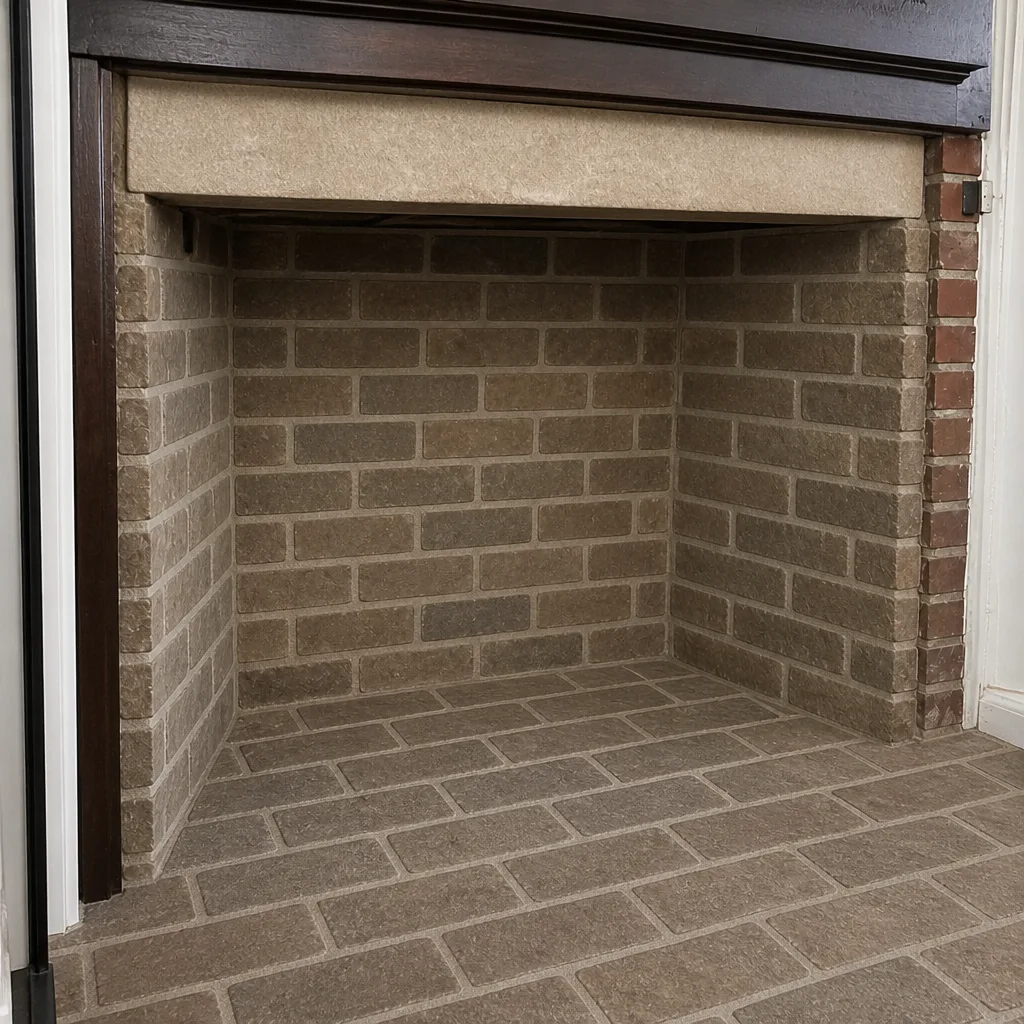
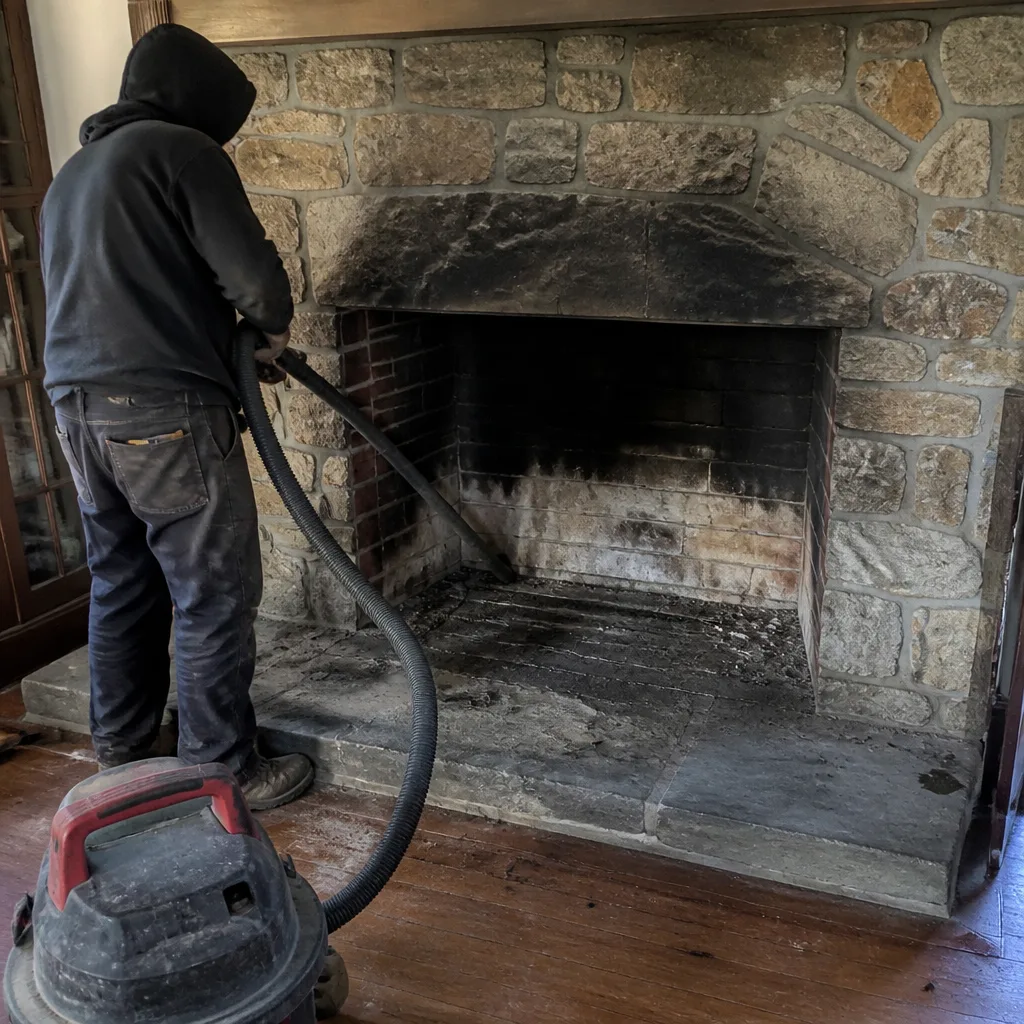
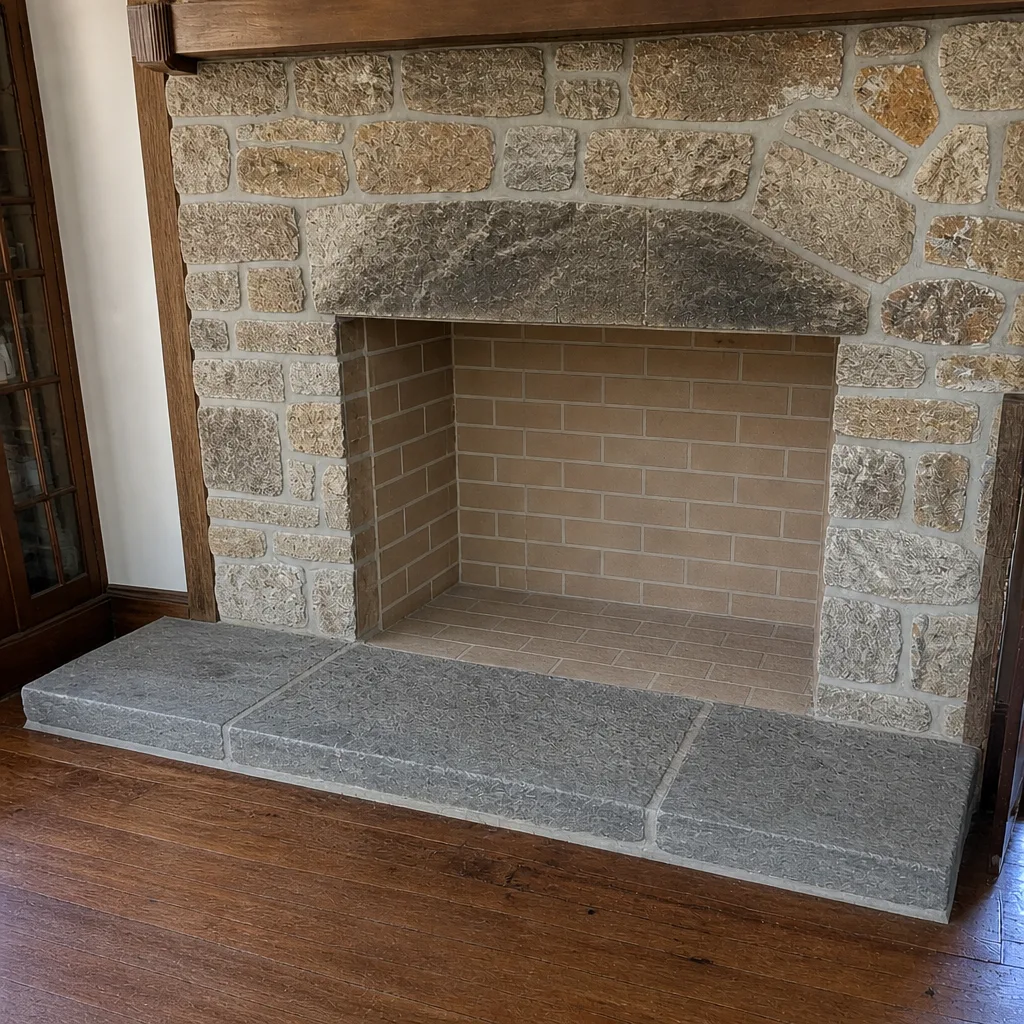
See the difference
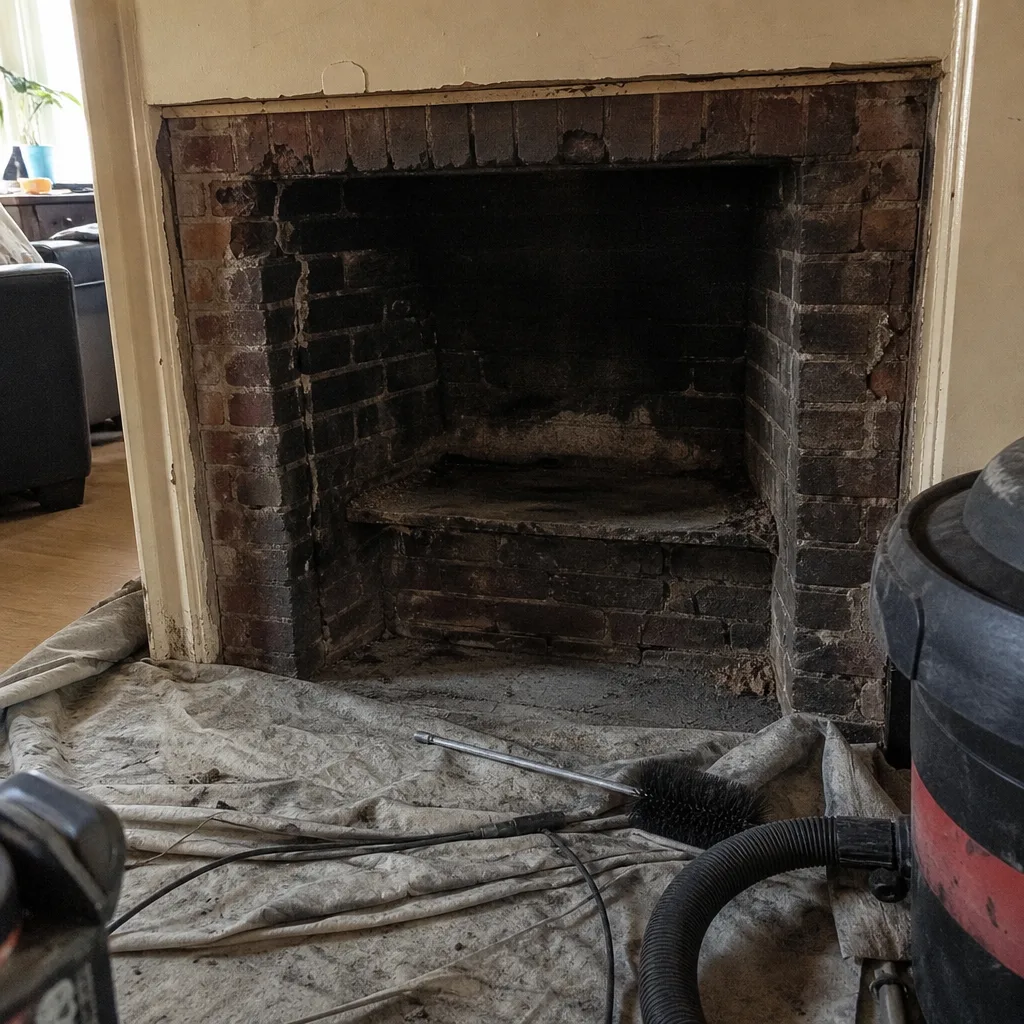 Before
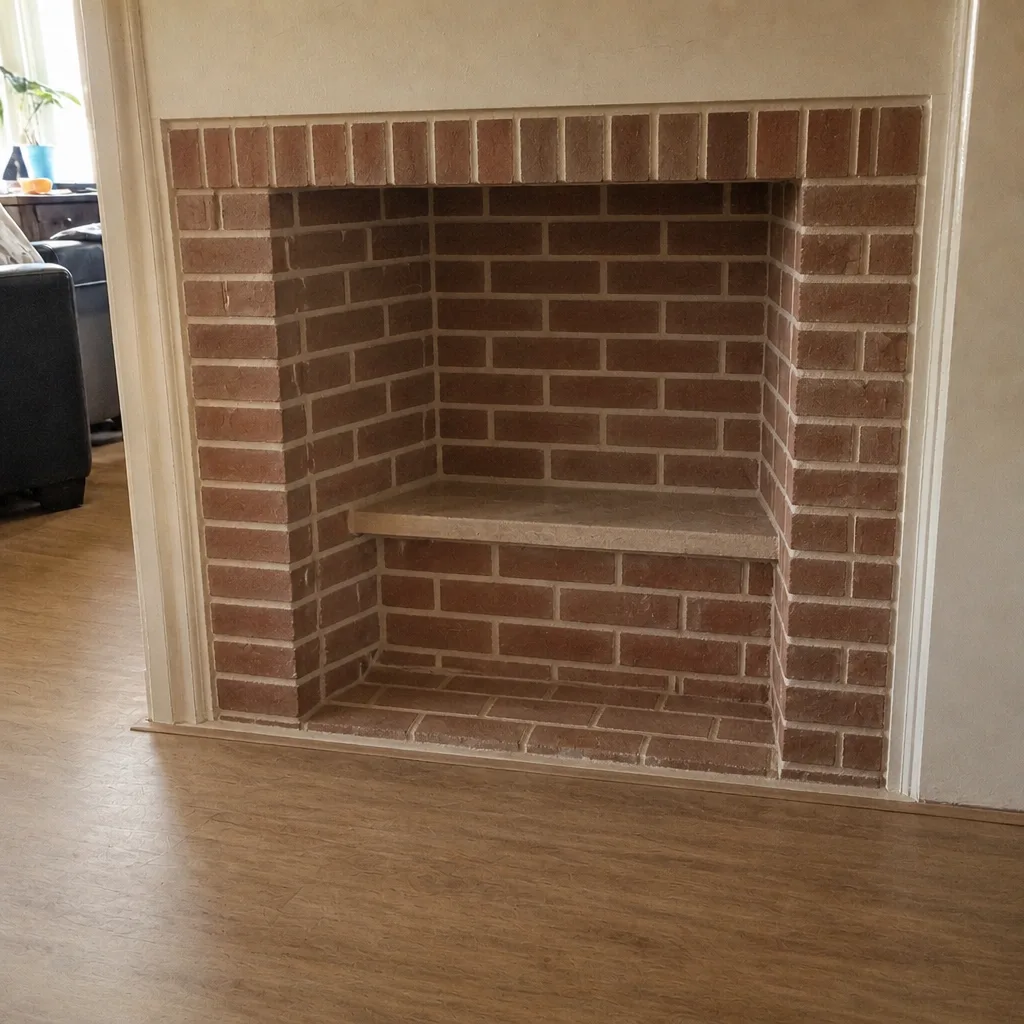 After
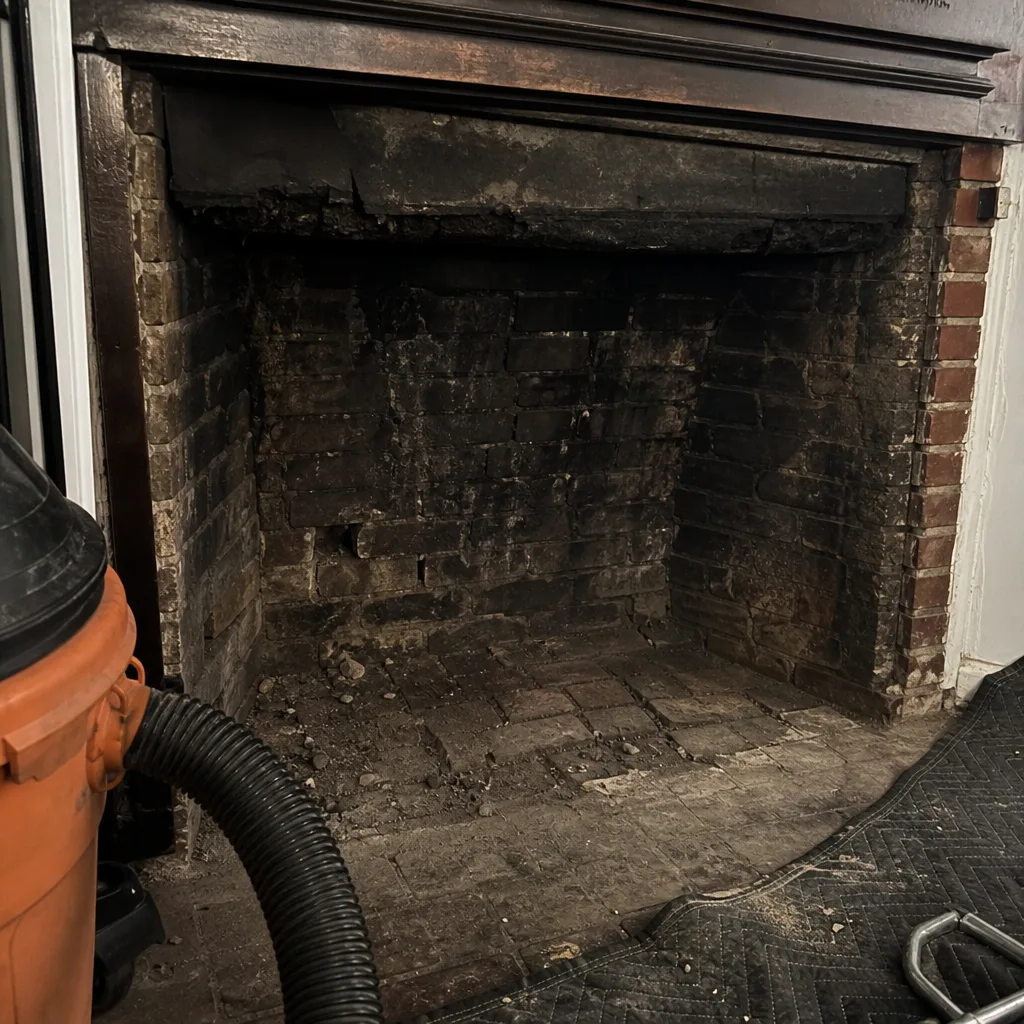 Before
 After
 Before
 After
When to Call a Professional
Call when the flue hasn’t been inspected since you moved in and you don’t know its history; when smoke backs into the room; when you smell a persistent odor from a fireplace you don’t use; when the cap is missing or the crown is cracked; when you’re buying or selling and the records don’t line up; when you’re installing a new appliance or insert; and when you’re being asked to approve liner work without seeing a camera report. None of these are do-it-yourself items, and a chimney fire or carbon monoxide issue can come from a blocked or damaged flue before any warning sign. Chimney Sweep Bedford-Stuyvesant offers free estimates in Bedford-Stuyvesant – call (855) 724-0919. Our technicians have up to 11 years of experience. Inspection is a standalone service here; you can get a documented assessment before any repair is recommended.
Frequently Asked Questions
No. Routine chimney sweeping and cleaning are maintenance and don’t require a permit from the NYC Department of Buildings. A permit comes into play when the work becomes repair or alteration – relining, installing an appliance, or structural work. Call (855) 724-0919 for a free estimate before any work begins.
In NYC, relining is generally an alteration under Chapter 10 of the Building Code and requires a permit plus an MEP filing. If a liner on your property has no DOB record, that’s a title consideration you want to resolve early. We can inspect and document the current condition, then talk through what filing would involve.
A chimney inspection is a documented condition assessment with photos; a formal compliance inspection is a legally defined procedure linked to a permit, a violation, or a specific requirement. Most homeowners need the first. The second is required when a filing must be signed off, a violation resolved, or a transaction documented.
Look up the address in NYC DOB BIS, which lists permits, filings, inspections and violations for the property. An open violation or a filing without a final inspection is worth resolving before a sale. We provide standalone inspections with written reports that pair usefully with a records check.
It can be, depending on whether the conversion was properly filed and vented. An improperly vented gas appliance poses a carbon monoxide risk that an inspection will catch. If the records are quiet, have it documented. Call (855) 724-0919 to book an inspection.
Creosote builds up in a wood flue faster than most people expect, and a thick deposit is fuel for a chimney fire. A damaged liner lets combustion gases into the masonry or the building. Neither is a scare story; both are the reason annual inspection exists. Call (855) 724-0919 if you don’t know when your chimney was last examined.
The Bottom Line
Cleaning is maintenance. Changing the chimney is regulated work. That’s the whole rule, and the trap is that the two look similar from the hearth. In Bedford-Stuyvesant, where brownstones and converted row houses often carry decades of undocumented work, a single records check through the NYC DOB can tell you more than a visual inspection ever will. Get a documented chimney inspection before anyone sells you a repair, look up the address through BIS before a transaction, and keep the permit number with the property records. If a permit is being suggested, know which category you’re in. If none is, ask why. Start with an inspection – know exactly what your flue needs before any work begins.
Written by the team at Chimney Sweep Bedford-Stuyvesant.