
Last updated November 22, 2026
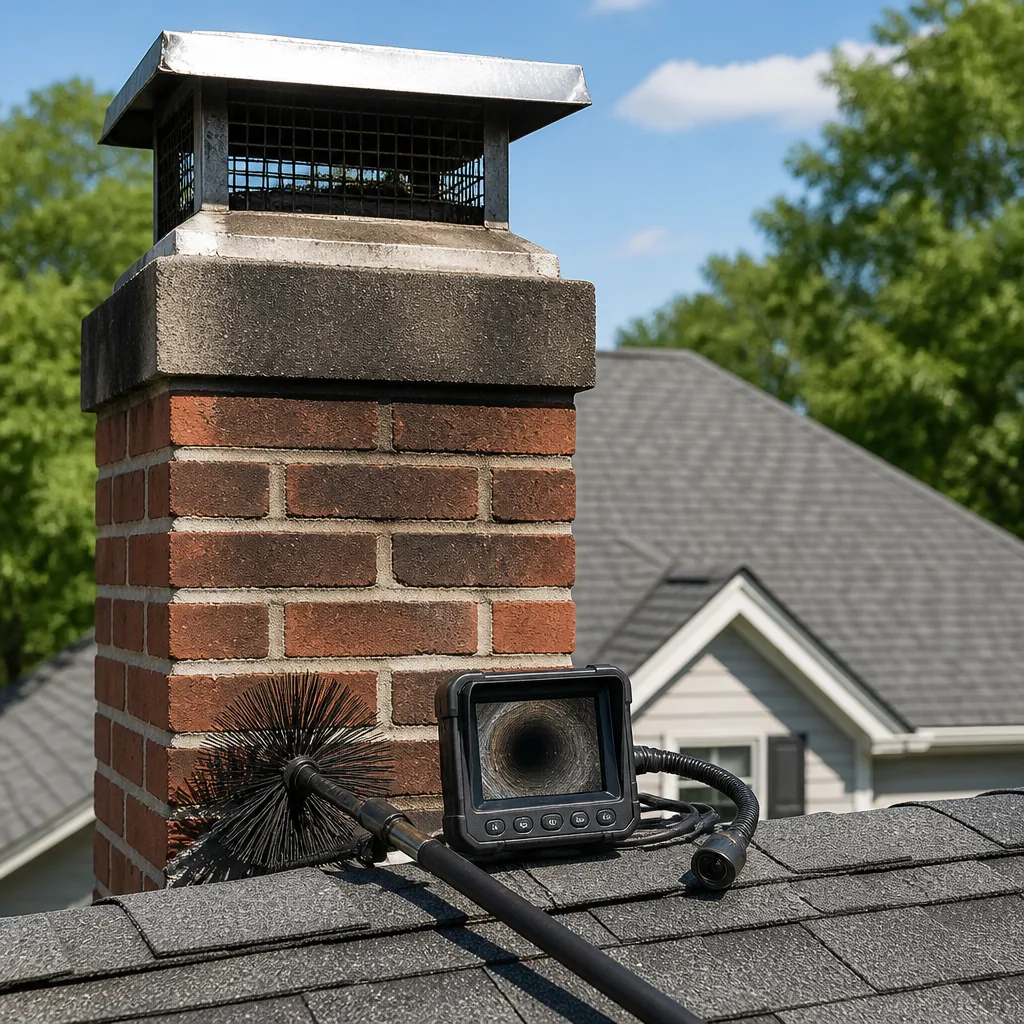 Sweep & inspection
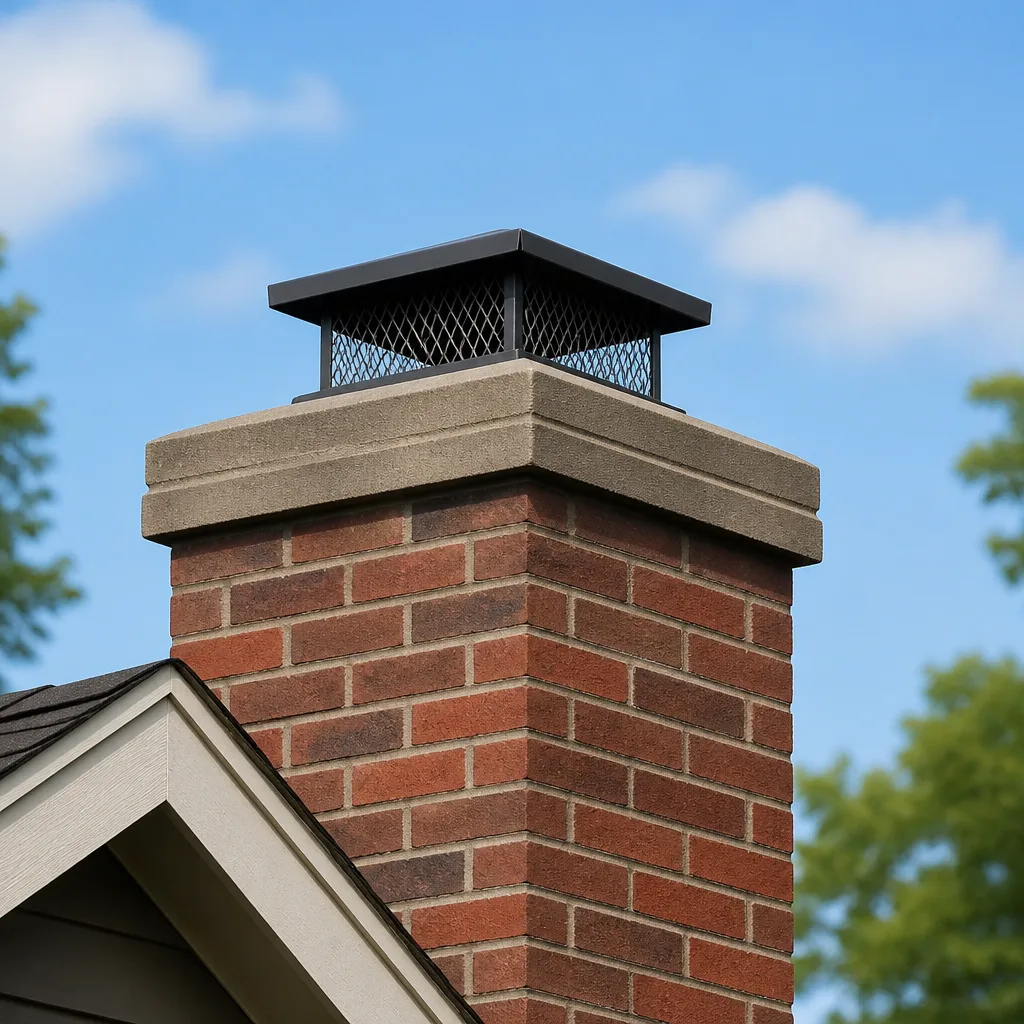 Caps & crowns
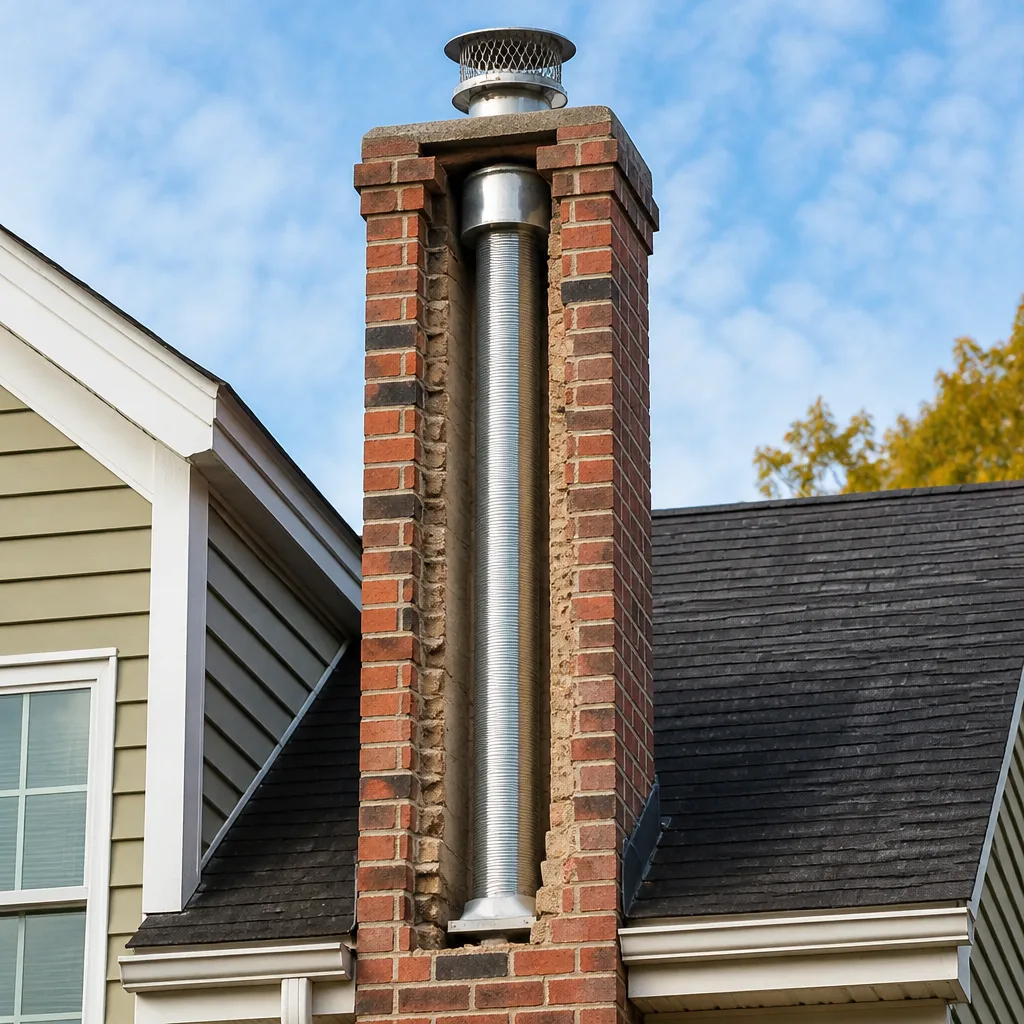 Flue relining
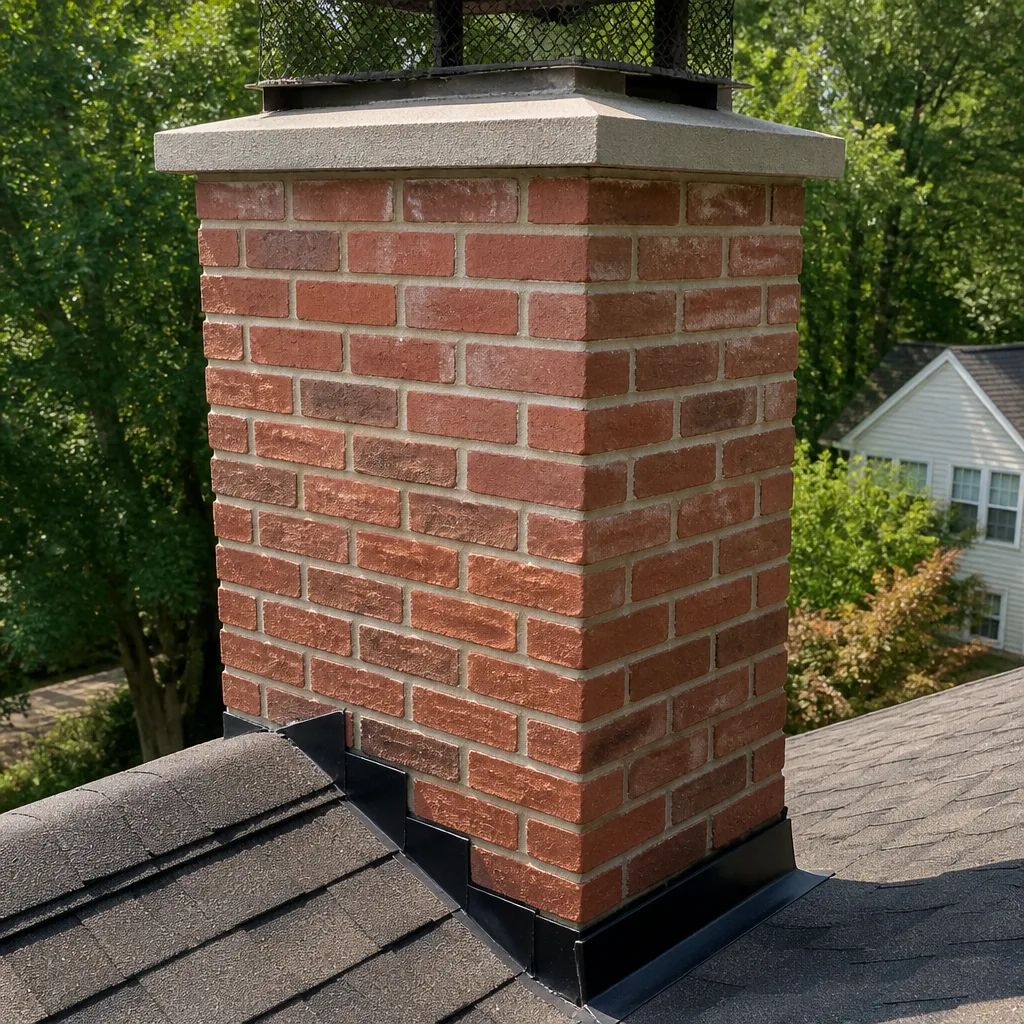 Masonry repair
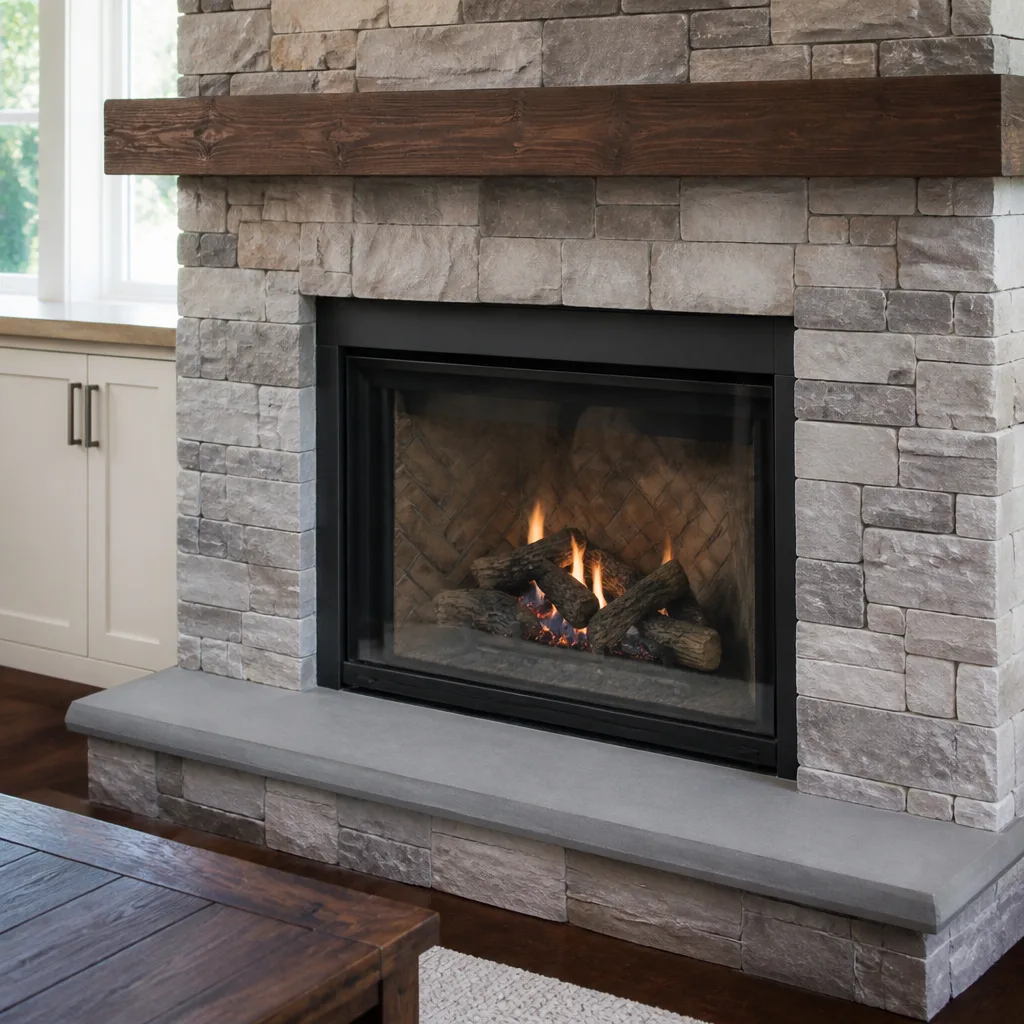 Gas fireplace service
Level 1 sweep and inspection to the NFPA 211 annual standard - flue, crown, cap, and flashing checked and photographed
Chimney sweep logs do not sweep chimneys. They loosen some creosote - which then falls where a brush and vacuum still have to collect it.
Chimney Cleaning Emergency Preparedness Guide for Bedford-Stuyvesant Homes
When a chimney fire starts in a Bedford-Stuyvesant rowhouse, the instinct to close the damper is exactly wrong. Shutting it traps combustion gases and can push superheated air into the chase cavity that runs alongside the flues of the units next door. Most people never think about that wall until something goes wrong behind it. This guide is about the fifteen minutes that decide how a chimney emergency ends. We’ll cover what to do in order during a flue fire, how to tell carbon monoxide apart from smoke rollout, what the law expects from you when a shared-wall building is involved, and how to prepare before the first fire of the season rather than after an incident. Nothing here replaces a professional inspection, but it will keep you from making a bad situation worse.
Quick Answer
If you suspect a chimney fire, call 911 first, get everyone out of the building, and do not close the damper. After the fire department clears the scene, no one should relight that fireplace until a Level II inspection confirms the flue, liner, and any adjacent shared-wall chase are intact. For carbon monoxide, leave the building immediately and call 911 from outside – never try to find the source first.
Styles & brands we work with
- Sweep & inspection
- Caps & crowns
- Flue relining
- Masonry repair
- Gas fireplace service
Table of Contents
- The First Fifteen Minutes of a Chimney Fire
- Why Shared-Wall Construction Changes Everything in Bed-Stuy
- Carbon Monoxide vs. Smoke Rollout: Telling Them Apart
- After the Fire: The Inspection You Cannot Skip
- Pre-Season Emergency Preparedness Checklist
- Peak Heating Season in Bedford-Stuyvesant
- Common Mistakes to Avoid
- When to Call a Professional
The First Fifteen Minutes of a Chimney Fire
The first fifteen minutes of a chimney fire determine how much damage happens and whether it spreads beyond the flue. A chimney fire isn’t always the roaring, roaring-draught event people picture from movies. Many are quiet: a low rumble, a crackling sound that doesn’t match the firebox, a puff of black smoke at the top of the chimney, or a sudden temperature spike on the stovepipe. If you notice any of these, act as though it’s real.
Here is the response order that experts agree on, adapted for a Bedford-Stuyvesant rowhouse where your chimney shares walls with neighbors:
- Call 911. Say clearly: “I think I have a chimney fire.” Give the address and the number of units in the building. The dispatcher needs to know other families live in the structure.
- Get everyone out. All occupants of your unit, and knock on the doors of adjacent units if you can do so safely. In a Bedford-Stuyvesant brownstone or rowhouse, the flue doesn’t stop at a party wall.
- Do not close the damper. This is the mistake that turns a contained flue fire into a chase fire. An open damper lets heat and gases rise up and out. Closing it traps them.
- If you have a chimney fire extinguisher – a specific product sold for this purpose, not a kitchen extinguisher – you can use it per its instructions only if you are already outside the fire hazard and the fire department has been called. If you don’t have one, don’t improvise.
- Shut off the appliance if you safely can. For a wood stove, close the air intake. For a gas insert, turn off the gas valve if it’s accessible without entering a smoke-filled room.
- Wait outside for the fire department. Do not re-enter to check on the fire or retrieve belongings.
What you should not do, in any order: throw water down the flue (thermal shock can crack a clay liner that was intact before you acted), spray a household extinguisher up the chimney (ineffective and dangerous), or wait to see if it “burns itself out.” A chimney fire can reignite hours later if the crease deposits are still hot.
Why Shared-Wall Construction Changes Everything in Bed-Stuy
Much of Bedford-Stuyvesant’s housing stock is rowhouse and brownstone construction where masonry party walls divide units that share the same structural system. That architecture is one of the things that makes the neighborhood distinctive – and it’s also why a chimney event here isn’t a private matter. When a flue fire produces superheated gas or a cracked liner, the failure doesn’t stop at your property line. Heat and combustion byproducts can travel through the chase cavity, which is the hollow space around the flue that often serves multiple units’ chimneys in a single building.
What this means practically:
- A flue fire in one unit can compromise a neighbor’s liner. Heat damage is cumulative. A cracked clay tile in your chimney can be part of a shared chase that also vents an adjacent unit. A Level II inspection after a fire needs to consider the whole chase, not just your side.
- Notify your neighbors and your landlord. If you own, tell the adjoining owners. If you rent, tell your landlord immediately. The people next door need to know so they can have their own flue checked before they light another fire.
- Document everything. Photograph the firebox, the damper, the top of the chimney if visible, and any smoke staining on walls near the chimney. This protects you with your insurer and gives a professional a baseline.
- Consider your notification obligations. New York City fire code and building codes govern what must happen after a chimney fire. We can’t give you legal advice, and this guide isn’t a substitute for your own reading of the code or a conversation with your building department. But in our experience, the common thread in a shared-wall building is that neighbors are notified and the flue is professionally inspected before it’s used again.
Bedford-Stuyvesant is a neighborhood of long-term owners, recent buyers, and renters mixed in the same blocks. In that setting, the person who responds best to a chimney emergency is the one who knows their neighbors and has a way to reach them in minutes.
Carbon Monoxide vs. Smoke Rollout: Telling Them Apart
Carbon monoxide and smoke rollout produce different symptoms, require different immediate responses, and are confused constantly. Getting the response right depends on knowing what you’re looking at.
Smoke rollout
Smoke rollout is what it sounds like: visible smoke entering the room instead of going up the flue. You see it. You smell it. Your eyes water. It usually means the flue is blocked (a bird nest, a collapsed liner tile, or heavy creosote), the chimney is cold and hasn’t drafted yet, or the damper is closed. The immediate response is to open a window, stop using the fireplace, and get the chimney inspected before the next fire. Smoke rollout is a nuisance and a health exposure, but it’s visible, and you have time to respond.
Carbon monoxide
Carbon monoxide is invisible, odorless, and it kills. It forms when fuel doesn’t burn completely – which can happen with a blocked flue, a cracked liner, a backdraft, or a gas appliance venting improperly. Symptoms read like flu without a fever: headache, dizziness, nausea, confusion, fatigue. Children and pets are affected first because they’re smaller. If your CO detector alarms, or if multiple people in the same room develop the same symptoms at the same time, treat it as CO.
What each requires as an immediate response
- Smoke rollout: Open a window, stop using the fireplace, and schedule an inspection. Do not relight.
- Possible CO: Get every person and pet out of the building immediately, then call 911 from outside. Do not open windows first (that can dilute the reading), and do not try to find the source before you’re out. Do not re-enter until the fire department has tested the space.
The dangerous error is treating CO like smoke rollout. Smoke tells you to ventilate and investigate later. CO tells you to leave now.
After the Fire: The Inspection You Cannot Skip
After any chimney fire – even one that seemed small, even one that extinguished itself, even one that the fire department cleared with a look up the flue – a Level II inspection is not optional. This is where most people get it wrong. The firebox looks fine, the smoke has cleared, and the temptation is to light a small fire to see if everything’s still working. Don’t.
Here’s what a Level II inspection involves and why it matters:
- Camera inspection of the full flue. A technician runs a camera the length of the flue to find cracks, gaps, missing mortar joints, and areas of spalling in clay tiles or damage in a stainless liner. Fire damage is often invisible from the firebox.
- Look at the chase and adjacent flues. In a Bedford-Stuyvesant rowhouse, this means assessing whether the fire affected the shared cavity and neighboring flues.
- Check the cap, crown, and flashing. A fire can warp or dislodge a cap. A compromised crown lets water into the chimney, which is a future emergency all by itself.
- A written report with photos. This is what you’ll need for your insurer, for your landlord if you rent, and for your own records.
The Chimney Sweep Bedford-Stuyvesant team offers inspection as a standalone service precisely for moments like this. You get a documented, unbiased assessment before any repair work is recommended. If the flue is fine, we say so. If the liner needs restoration with HeatShield, the recognized ceramic resurfacing method, we explain why and show you the camera evidence. If the masonry needs chimney repair, we scope it honestly. You should never be told you need thousands of dollars of liner work without seeing the reason on a screen in front of you.
On the code question: New York City fire code treats a chimney fire as a reportable event, and inspectors expect a professional inspection before the chimney is returned to service. If you rent, your landlord is generally the responsible party for the chimney, but you have a clear interest in seeing the inspection report. Ask for a copy. It’s your safety in the same flue.
Pre-Season Emergency Preparedness Checklist
The best time to prepare for a chimney emergency is before the first cold snap, not after you smell smoke. Here’s what a Bedford-Stuyvesant homeowner should have in place by October:
- Working CO detectors on every level with sleeping areas. Test them. Replace the batteries at the same time each year. If your unit is in a rowhouse, put one near every sleeping area and one in the basement if you have one.
- A working smoke detector in the room with the fireplace. Same drill: test and replace the battery.
- The FDNY non-emergency line in your phone. Save it now so you’re not searching for it in a smoke-filled room. 911 is the number during an emergency; the non-emergency line is for questions, odor reports that don’t involve fire, and post-incident follow-up.
- A chimney sweep you’ve already talked to. Having a sweep come out for a preseason inspection means your flue has been checked before you use it, and you already know the company to call if something goes wrong. Waiting until November to find someone means waiting longer than you want.
- A chimney fire extinguisher. A specific product designed for flue fires. Keep it near the fireplace with instructions you’ve read in advance.
- A written emergency contact list. Your landlord if you rent, your building super, your insurer’s claims line, and your adjoining neighbors’ phone numbers.
- A preseason inspection and sweep. Not after a scare. Before the first fire. That gives you time to address a compromised crown or a creosote-heavy flue without pressure.
If you haven’t had a chimney sweep in the last twelve months, this is the lowest-effort change you can make to your household safety this season.
Peak Heating Season in Bedford-Stuyvesant
Bedford-Stuyvesant’s heating season runs roughly from October through March, and the busiest period for chimney calls is the first cold snap after a mild fall. That’s when every fireplace in the neighborhood lights up on the same weekend, and any flue with a slow-developing problem (a partially blocked flue, a small crown crack, a hairline liner fissure) shows itself all at once. We’ve seen this pattern repeat for as long as we’ve been doing this work.
What makes the neighborhood’s stock interesting is the mix. There are wood-burning fireplaces in brownstones that have been using the same flue for generations, gas inserts added in renovations where the original flue was never sized for the new appliance, and the occasional converted coal fireplace with a flue liner system that predates anyone currently in the building. Each arrangement has its own failure modes:
- Old masonry chimneys are usually the most vulnerable to creosote buildup, liner tile cracking, and crown deterioration from freeze-thaw cycles.
- Converted gas inserts produce less creosote but need correct venting. A gas flue that vents into an oversized masonry flue can backdraft, sending CO into the room instead of up.
- Wood stoves added in recent renovations often need a properly sized stainless liner – DuraFlex or Olympia Chimney among the professional-tier options – because a stove connected to an old, oversized clay flue doesn’t draft correctly and can let smoke and gases back into the room.
Whatever your arrangement, the pattern is the same: a preseason inspection catches the small problem before it becomes the cold-Saturday call after the chimney has already failed.
Common Mistakes to Avoid
- Closing the damper during a chimney fire. The instinct comes from wanting to starve the fire of oxygen, but with the damper closed the heat and gases have nowhere to go but into the chase cavity. In a Bedford-Stuyvesant rowhouse, that cavity is shared.
- Treating CO symptoms as smoke rollout. Fresh air and a window help with smoke; with carbon monoxide, leaving the building is the only correct response. Don’t linger to find the source.
- Relighting the fireplace after a fire because “it looks fine.” The most dangerous liner damage from a chimney fire is not visible from the firebox. A camera inspection finds it.
- Skipping the sweep because the fireplace “worked last year.” A flue doesn’t need to fail loudly. A partially blocked flue or a hairline crack will run through a whole season without obvious trouble and then one day it won’t.
- Hiring a sweep-only company for a post-fire situation. A sweep cleans the flue; a full-system specialist also assesses the cap, crown, chase, and fireplace, and has the materials and know-how to address what they find.
- Forgetting to notify neighbors in a shared-wall building. The unit next door may share a chase with yours. If a fire happened in yours, theirs should be inspected too.
- Assuming a new cap or crown can wait. Water intrusion through a failed crown or cap is one of the most common hidden causes of major masonry damage in this neighborhood. If the inspection flags it, address it. The chimney cap & crown work is a dedicated service for us, not an upsell.
When to Call a Professional
Some chimney problems can wait for a scheduled inspection. Others can’t. Call a professional the same day if you’ve had a chimney fire of any size, if your CO detector has alarmed (after you’ve called 911 and evacuated), if you smell smoke in a room where the fireplace is running, if you see creosote flaking off the inside of the firebox, or if you’ve noticed masonry cracking or spalling on the chimney exterior. Also call if you’re buying a home in Bedford-Stuyvesant and want a documented inspection before closing – a standalone inspection is exactly the right tool for that, and it’s what Chimney Sweep Bedford-Stuyvesant does as a distinct service from cleaning or repair. For a free estimate on any of this work in Bedford-Stuyvesant, call (855) 724-0919. We answer 24/7. Fast dispatch from 7am to 7pm, Sunday through Friday.
See the difference
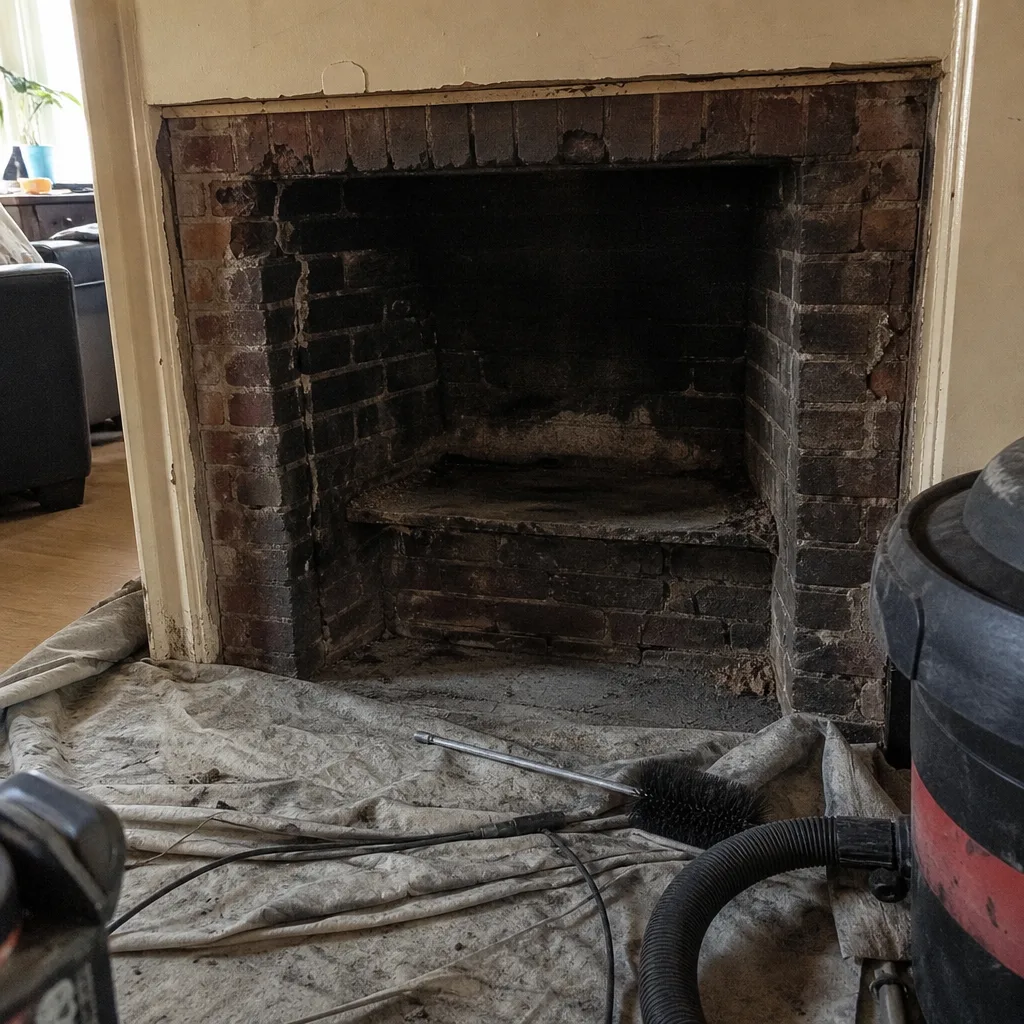 Before
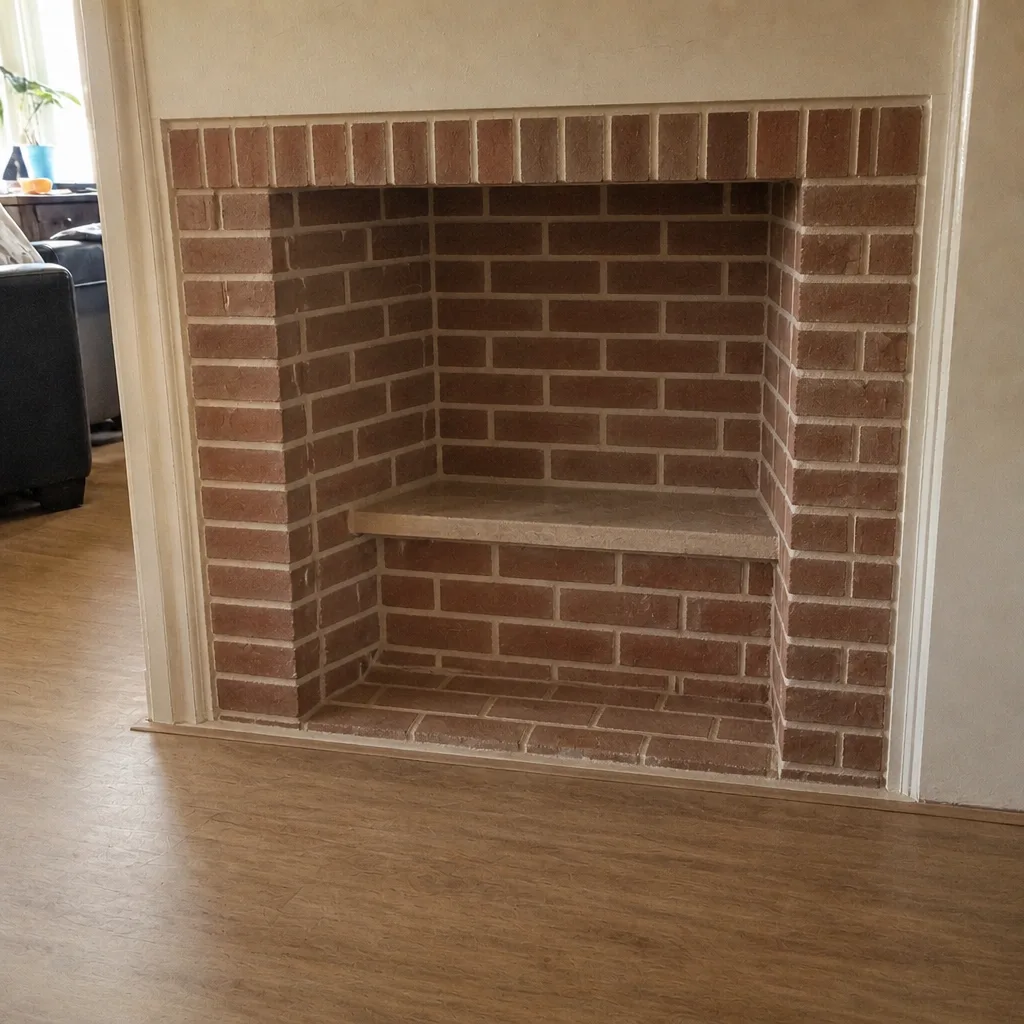 After
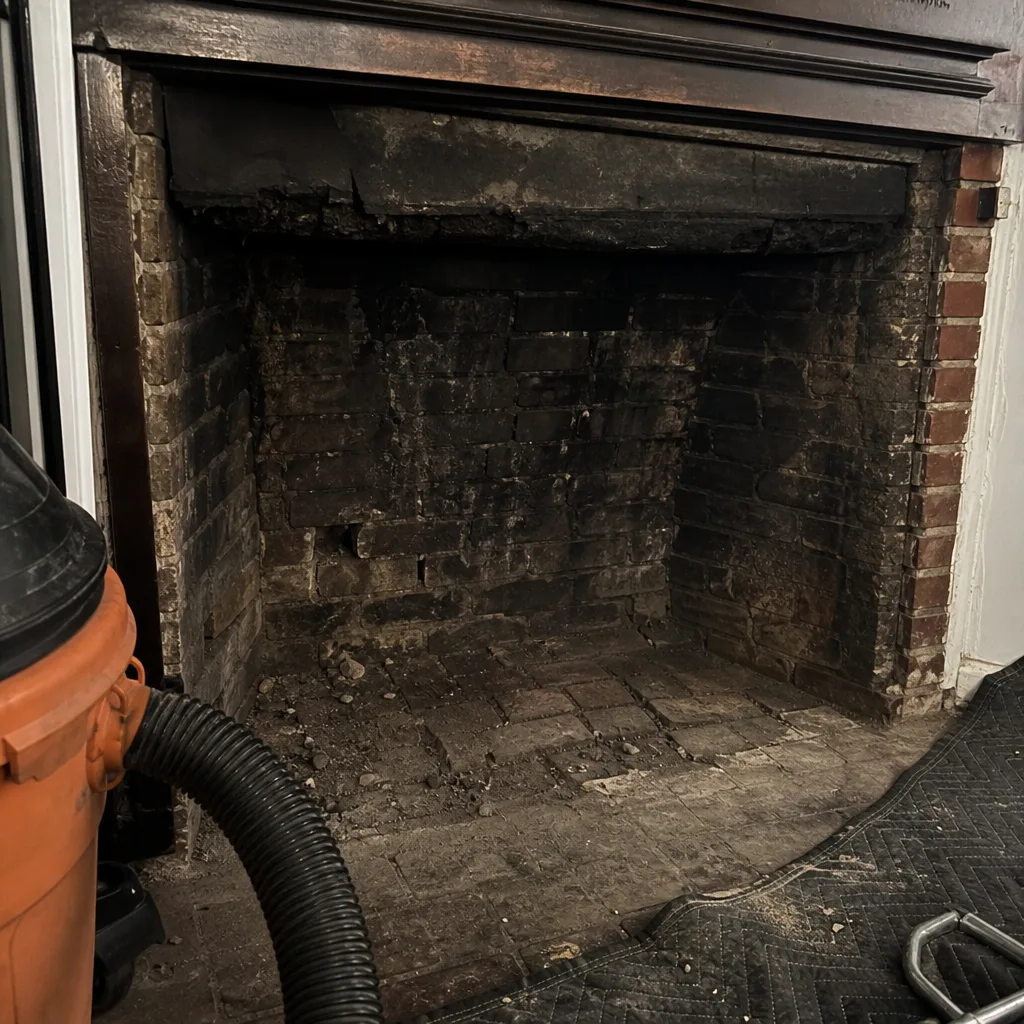 Before
 After
 Before
 After
Frequently Asked Questions
Call 911 first, then get everyone out of the building, and do not close the damper. In a rowhouse or brownstone, also alert the neighbors in adjoining units if you can do so safely, because a shared chase can carry heat and gases between units. Wait outside for the fire department. After the fire is out, no one should relight the fireplace until a Level II inspection has been done. Call (855) 724-0919 for a free estimate on the post-fire inspection.
Smoke rollout is visible and smells like smoke – you’ll see it and your eyes will water. Carbon monoxide is invisible and odorless; the signs are headache, dizziness, nausea, and confusion in multiple people at once, or a CO detector alarm. For smoke rollout, open a window and stop using the fireplace. For CO, get out of the building immediately and call 911 from outside. Call (855) 724-0919 to schedule an inspection once everyone is safe.
You need it. A Level II inspection after any chimney fire is the standard professional response, and New York City fire code expects a professional inspection before the chimney is returned to service. The damage a chimney fire does to a clay liner or a chase cavity is often invisible from the firebox, and relighting without checking can turn a contained event into a structural one. Call (855) 724-0919 to schedule a documented inspection with photos.
Most wood-burning chimneys should be swept once a year, and always before the first fire of the heating season. If you burn regularly through the winter, you may need a mid-season sweep too. A gas insert needs an annual inspection and cleaning as well, even though it doesn’t produce creosote the way wood does. Preseason is the right time to book; call (855) 724-0919 for a free estimate.
Yes, in practice, especially in a Bedford-Stuyvesant rowhouse or brownstone where flues share a chase. Even if you own your unit outright, the adjoining owners should know so they can have their own flue inspected before they light another fire. If you rent, notify your landlord immediately – they are generally the responsible party for the chimney in a rental. Call (855) 724-0919 to book inspections for multiple units in the same building.
We use professional-grade components from suppliers like DuraFlex, Olympia Chimney, Copperfield, and Gelco, and HeatShield ceramic resurfacing for liner restoration where the flue qualifies. That means materials used by certified chimney specialists, not generic substitutes. For a free estimate on repair or relining work in Bedford-Stuyvesant, call (855) 724-0919.
The Bottom Line
A chimney emergency in Bedford-Stuyvesant is not a private problem. A flue fire, blocked flue, or CO event in a rowhouse or brownstone has consequences that cross the party wall. The three things that decide how it goes are the same every time: call 911 and get out, never close the damper on a chimney fire, and do not relight until a Level II inspection confirms the flue and chase are intact. Prepare before the season – CO detectors tested, sweep already scheduled, neighbors’ numbers in your phone – and the first fifteen minutes of any future emergency will be spent doing the right thing rather than guessing. Our technicians have up to 11 years of experience, and inspection is a service you can book on its own, without any repair being sold first.
Written by the team at Chimney Sweep Bedford-Stuyvesant.