
Last updated November 22, 2026
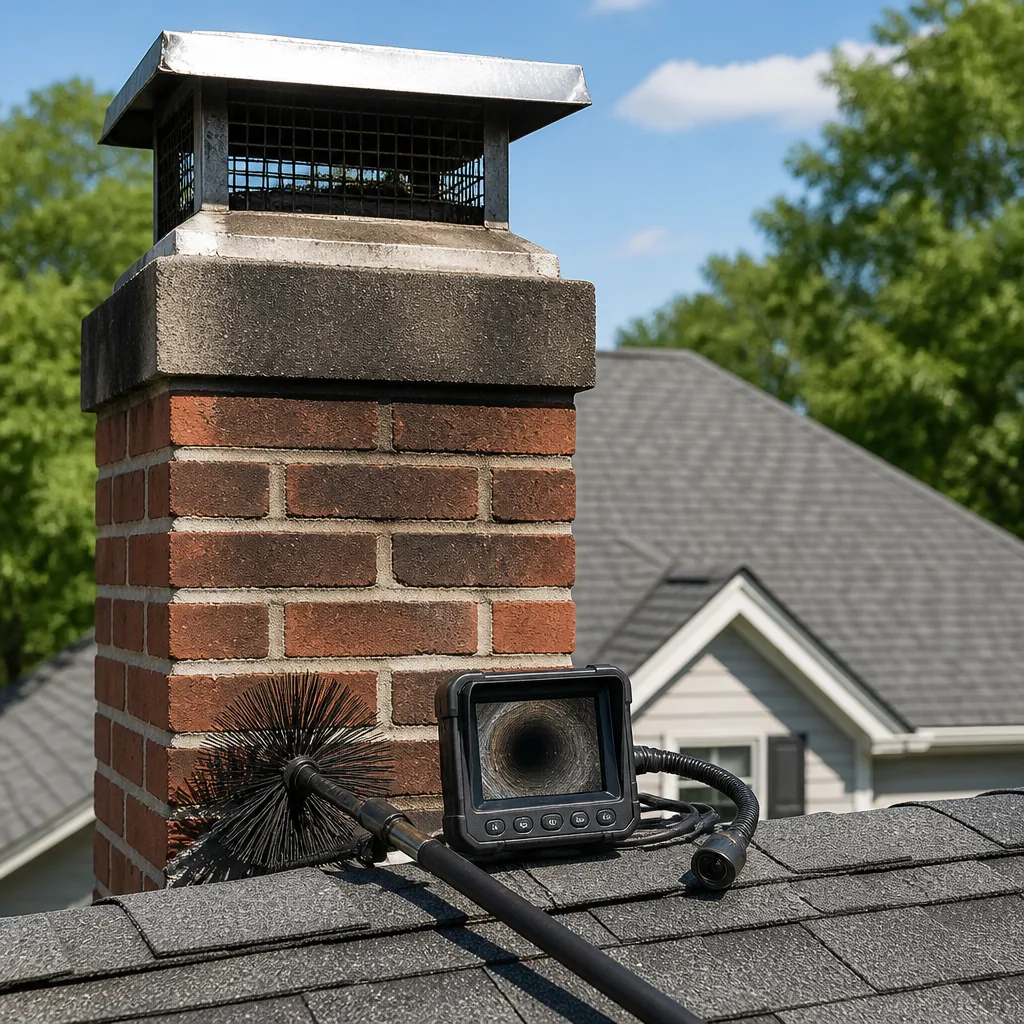 Sweep & inspection
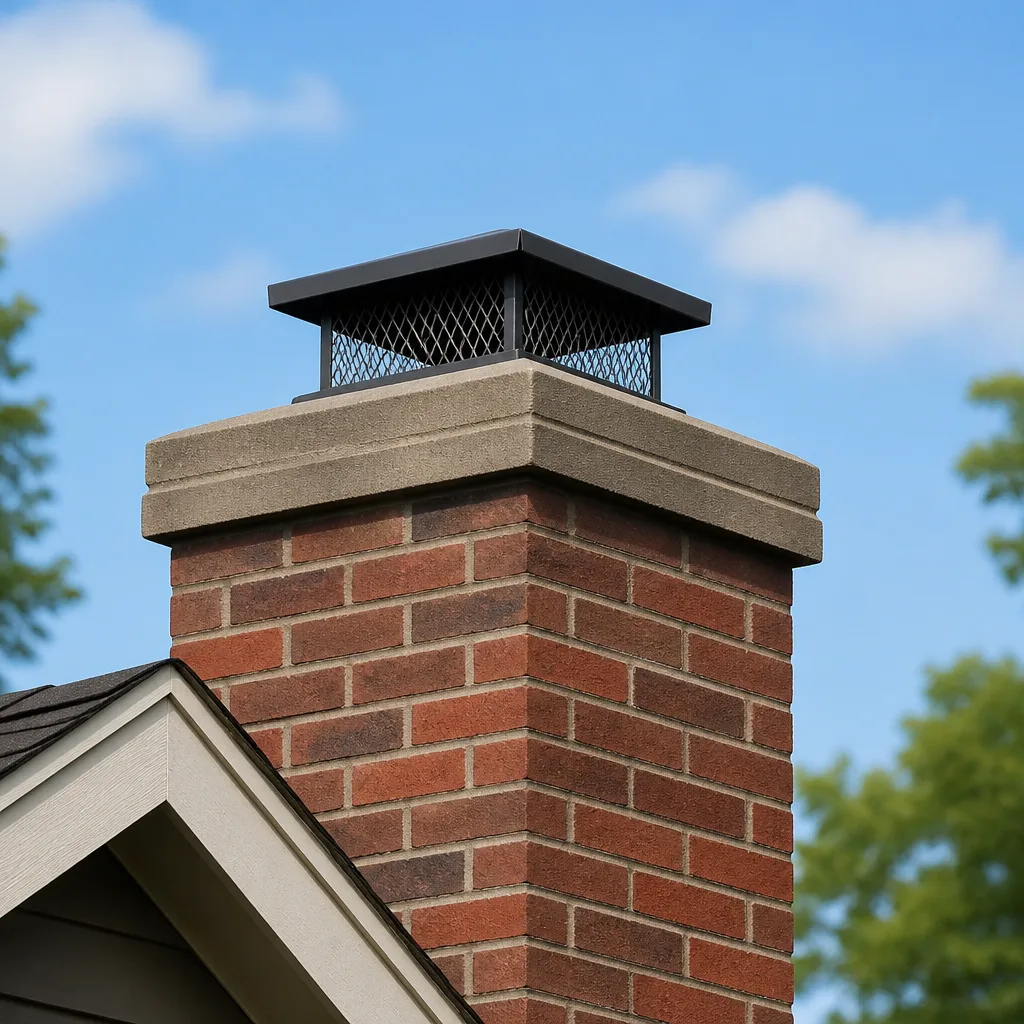 Caps & crowns
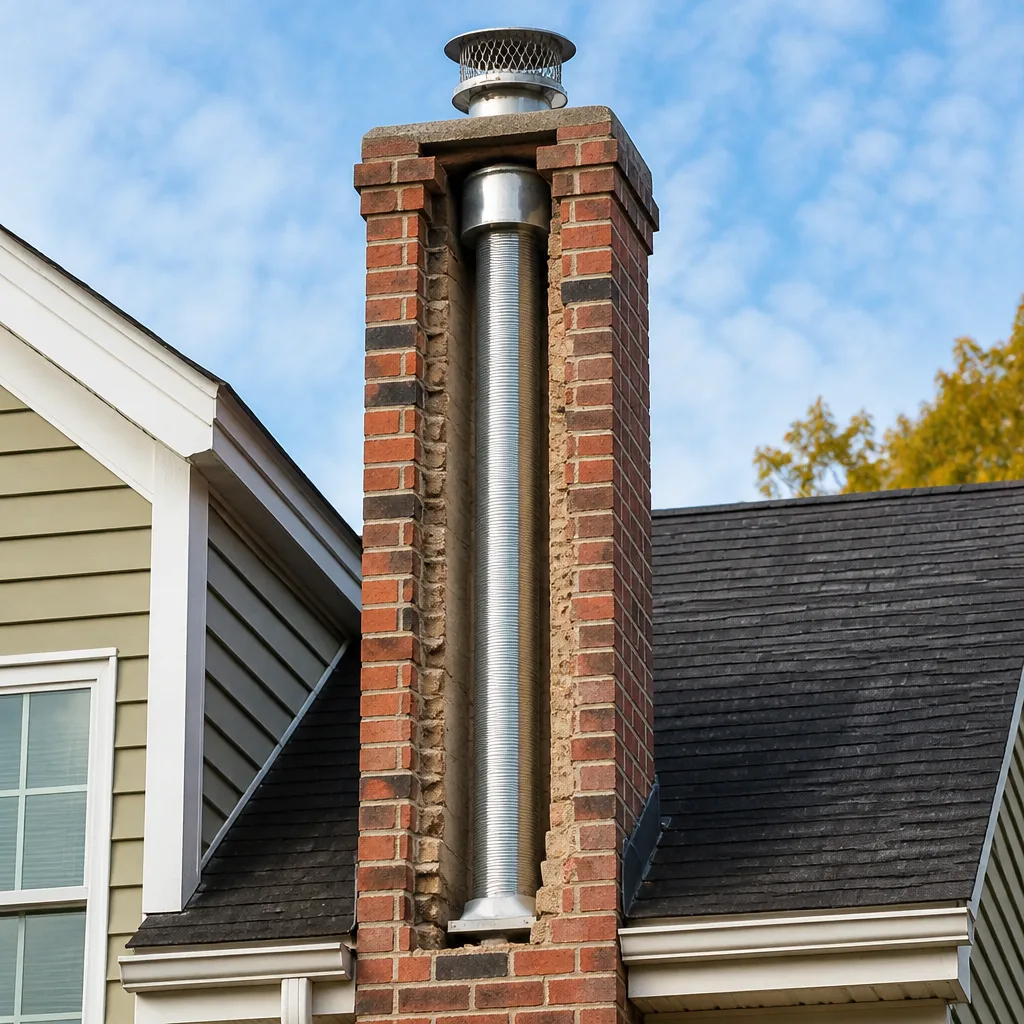 Flue relining
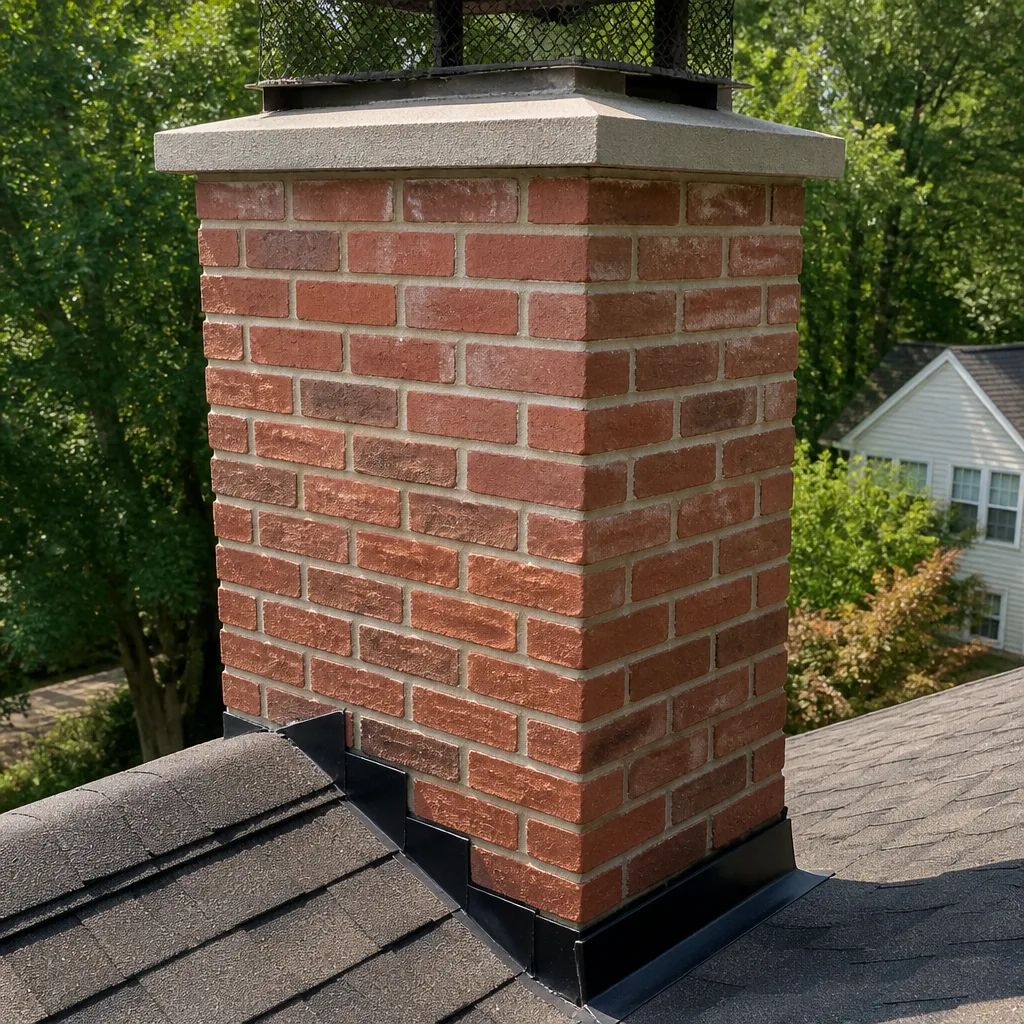 Masonry repair
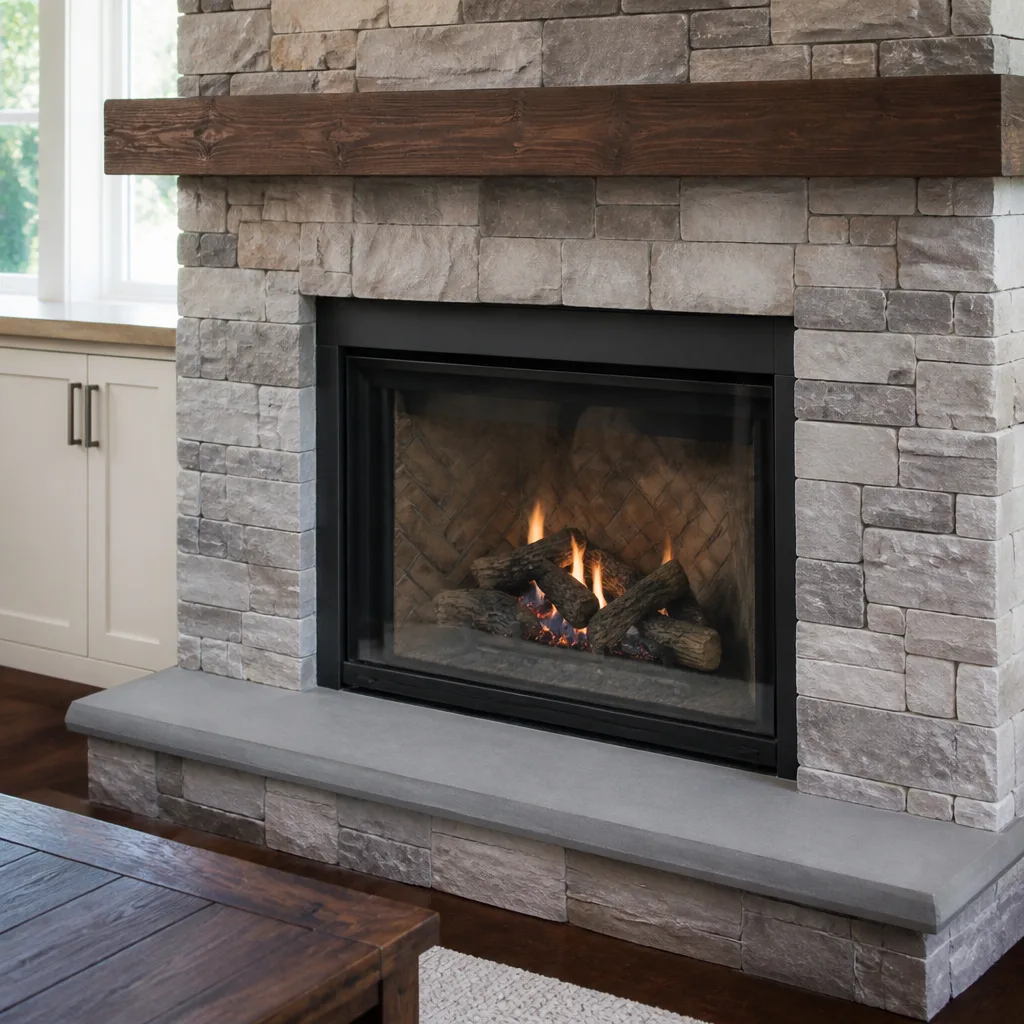 Gas fireplace service
Level 1 sweep and inspection to the NFPA 211 annual standard - flue, crown, cap, and flashing checked and photographed
Chimney sweep logs do not sweep chimneys. They loosen some creosote - which then falls where a brush and vacuum still have to collect it.
Seasonal Chimney Cleaning Care for Bedford-Stuyvesant: Year-Round Homeowner’s Guide
The worst time to discover a cracked flue tile in a Bed-Stuy rowhouse is November, after the first fire of the season, when carbon monoxide has already been moving through that crack into the chase. Most chimney advice treats “get it swept before winter” as the whole story. It isn’t. A Bed-Stuy chimney faces a different threat every few months: freeze-thaw cycles that work mortar joints loose in February and March, summer humidity that softens the interior parging around terra cotta tiles, and fall nesting and leaf debris that clogs a cap before the first cold snap. This guide assigns each task to the month it actually belongs to, so you’re not guessing. We’ll cover what to do when, what you can check yourself from street level, and when to call a professional in Bedford-Stuyvesant.
Quick Answer
The best time to sweep a Bedford-Stuyvesant chimney that burned wood all winter is August through September, not October or November. That window gives you time to schedule, catch damage while it’s still warm-weather repairable, and finish any liner or crown work before the heating season starts. Beyond the annual sweep, year-round care means matching each season’s threat to the right action: freeze-thaw checks in late winter, moisture and damper checks in summer, cap and nesting inspections in fall, and sweep-plus-inspection in late summer. Sweep once a year minimum for wood-burning fireplaces; inspect annually regardless of fuel type.
Styles & brands we work with
- Sweep & inspection
- Caps & crowns
- Flue relining
- Masonry repair
- Gas fireplace service
Table of Contents
- Why a Calendar Beats “Before Winter” Advice
- August-September: The Optimal Sweep Window
- Late Winter: Freeze-Thaw and What You Can Spot From the Street
- Summer Humidity and the Terra Cotta Flue
- Fall: Nesting, Debris, and the October Camera Inspection
- Gas Inserts, Wood Fireplaces, and Different Schedules
- Inspection vs. Sweep: Why They’re Separate Tasks
- Signs Your Chimney Needs Attention Now
Why a Calendar Beats “Before Winter” Advice
A chimney is a masonry and metal system exposed to weather on the outside and corrosive byproducts on the inside. Those two pressures peak in different months. Treating “before winter” as the only deadline means you’re reacting to one threat while ignoring three others that did their damage months earlier.
Consider what actually happens over a year in a Brooklyn rowhouse chimney. Winter burning deposits creosote and sends warm, moist flue gas up a cold flue, where it condenses. Freeze-thaw cycles then push water into hairline cracks and expand it. Spring rain soaks into any compromised mortar. Summer humidity keeps the interior masonry damp, softening the parging layer that protects the terra cotta. Fall brings nesting animals, leaf debris, and the first cool nights when people light a test fire without checking anything.
Each of those is a specific problem with a specific best-time fix:
- Sweep and inspection belong in late summer, before the burning season, after a full winter of deposits.
- Masonry and mortar assessment belongs in late winter and early spring, when freeze-thaw damage is fresh and visible.
- Moisture and parging checks belong in summer, when humidity shows you what’s failing.
- Cap, crown, and nesting inspection belongs in fall, before animals settle in and before the first fire.
If you’re not sure what your system needs, start with a standalone inspection through Chimney Sweep Bedford-Stuyvesant so you know exactly what your flue needs before any work begins. A documented assessment is cheaper than guessing, and it tells you which of the tasks above actually apply to your chimney.
August-September: The Optimal Sweep Window
For a Bedford-Stuyvesant home that burned wood all winter, August and September are the best months to book a chimney sweep. Waiting until October creates two problems: the schedule fills up as everyone else wakes up to the same deadline, and any repair discovered during the sweep gets compressed against the first cold snap.
Here’s why late summer works better than early fall:
- Creosote has had all spring and summer to stabilize. The deposits from last winter are set, so a sweep removes them cleanly and completely.
- Repairs found during the sweep can be completed before heating season. A cracked crown or a deteriorated liner found in September can be scheduled and finished in good weather. Found in November, it becomes an urgent problem.
- The chimney is dry and accessible. Warm, dry late-summer weather means the flue interior is stable, which matters for inspection accuracy and for any ceramic restoration work.
- You avoid the October rush. Booking in August means you get the window you want rather than whatever’s left.
For homes with heavy use, a second sweep in late winter or early spring makes sense if you burned consistently through the cold months. The general rule: sweep when there’s a quarter-inch or more of creosote buildup, or once a year for regular wood-burning, whichever comes first.
If you’ve never had the flue examined, our chimney inspection is a standalone service, documented with photos and video, that gives you a real picture of the system before anyone recommends repair work.
Late Winter: Freeze-Thaw and What You Can Spot From the Street
Brooklyn’s freeze-thaw cycle is the quiet destroyer of older masonry chimneys. When water gets into a mortar joint or a hairline crack in the brick and then freezes, it expands. That expansion widens the crack. When it thaws, more water enters. Repeat that dozens of times over a winter, and mortar joints that looked fine in November start to crumble by March.
Bed-Stuy’s housing stock makes this especially relevant. Many rowhouses here have chimneys that have been through more freeze-thaw cycles than any current owner can count, and they often sit on the exposed side of a building where wind and weather hit hardest. The damage is incremental and easy to miss until it isn’t.
In late winter and early spring, you can check a few things from street level without climbing anything:
- Look at the mortar joints on the chimney stack. Are they recessed, crumbly, or missing in spots? Receding mortar is a sign freeze-thaw has been working.
- Check the crown (the concrete cap at the top). Cracks, spalling, or a crown that’s pulling away from the flue are common after a hard winter.
- Look for white, chalky staining on the brick (efflorescence). It means water has been moving through the masonry and drying out on the surface.
- Note any brick that’s spalling (the face flaking off). That’s freeze-thaw damage in progress.
Those are things you can spot safely. What you can’t judge from the ground is the condition of the flue liner and the internal parging, which is why late-winter damage found from the street should lead to a proper inspection rather than a guess.
One safety note: chimney work happens at height, and an unstable stack or a loose crown is genuinely dangerous to approach. Leave the climbing to trained professionals.
Summer Humidity and the Terra Cotta Flue
Summer doesn’t stop the damage clock. It changes what’s failing. Brooklyn’s humid summers keep the interior masonry of an unused chimney damp, and that dampness softens the parging layer, the smooth coating that protects the terra cotta flue tiles from direct exposure to flue gases and condensation.
When you open the damper in June, here’s what to look for:
- Flaking or crumbling inside the firebox and up the flue throat. A parging layer that’s breaking down lets moisture and corrosive gases reach the terra cotta directly.
- White deposits or staining on the firebox walls. Moisture working through the masonry leaves mineral residue behind.
- A musty or damp smell from the fireplace even when there’s been no fire. That suggests moisture is present in the system.
- Rust on the damper or firebox hardware. Humidity causes this, and it’s a signal that the chimney isn’t drying out properly.
Summer is also the right season to address a failing parging layer or a deteriorating flue. Our technicians use HeatShield, a ceramic resurfacing system recognized across the industry, to restore a liner without full replacement. It’s a specific technical solution that sweep-only companies don’t offer, and doing it in summer gives the resurfacing time to cure properly before the heating season.
Your chimney cap & crown also matter in summer, since a failed crown lets rain straight into the flue throughout the wet months. Cracked crowns are easy to overlook and expensive to ignore.
Fall: Nesting, Debris, and the October Camera Inspection
Fall brings two problems that a summer sweep can’t catch: animal nesting and flue cap debris. By the time October arrives, birds, squirrels, and other wildlife may have moved into an open flue or a damaged cap. And a cap that’s cracked, loose, or missing its mesh lets leaves and twigs accumulate in the flue itself.
Why does an October camera inspection often reveal what a summer sweep missed?
- The sweep clears soot and creosote; the camera sees structure. A sweep removes deposits. It doesn’t evaluate the condition of flue tiles, parging, or the top of the flue from inside. A camera inspection does.
- Fall debris is new. Anything that fell into the flue between late August and October won’t have been caught by the summer sweep.
- Nesting is a fall problem. Animals that moved in during warm weather are settled by October and will build in a flue if the cap allows it.
- The first test fire is coming. An inspection in October catches obstructions before someone lights a fire and pushes smoke and carbon monoxide back into the room.
Our technicians have up to 11 years of experience inspecting and cleaning chimney systems, and the camera inspection comes with a documented photo report so you can see what we see. If a cap or crown is failing and letting animals or debris in, we repair or replace it using components from Copperfield, DuraFlex, and other professional-grade suppliers. We don’t stock generic hardware-store caps.
If the cap is fine and the flue is clear, we’ll tell you that. If it needs work, you’ll see the evidence before anything is recommended.
Gas Inserts, Wood Fireplaces, and Different Schedules
Not every chimney needs the same care. A wood-burning fireplace produces creosote, soot, and corrosive deposits. A gas insert produces far less, but it still needs an annual inspection to confirm venting is intact and the flue is clean.
Here’s how the schedules differ:
- Wood-burning fireplace, regular use: Sweep once a year, ideally in late summer. Inspect annually. Add a late-winter sweep if you’ve burned heavily through the season.
- Wood-burning fireplace, occasional use: Sweep when creosote reaches a quarter-inch. Inspect annually regardless.
- Gas insert: No creosote accumulation, but still inspect annually. Venting problems in a gas system can produce carbon monoxide, so the inspection matters even without soot.
- Unused masonry chimney in an older Bed-Stuy rowhouse: Still inspect annually. A chimney that isn’t used still takes on moisture, and a failing crown or damaged cap lets water in regardless of whether you ever light a fire.
That last point matters in Bedford-Stuyvesant, where many rowhouses have chimneys that haven’t seen regular use in years. A chimney that’s been capped and ignored still needs occasional evaluation for masonry condition, crown integrity, and cap condition. If you’re a property manager, a documented inspection is also useful for insurance records and real-estate transactions.
Inspection vs. Sweep: Why They’re Separate Tasks
A sweep and an inspection answer different questions. A sweep asks, “Is the flue clear enough to burn safely?” An inspection asks, “What condition is the whole chimney system in?”
Mixing the two is where homeowners get sold work they don’t need. A sweep is a cleaning. An inspection is an assessment. When the assessment comes first and is documented, you know exactly what you’re dealing with before anyone recommends repairs. That’s why we offer inspection as a standalone service, not a sales pitch bundled with the sweep.
What a proper inspection covers:
- The firebox and the damper assembly.
- The flue liner (terra cotta, clay, or metal), checked for cracks, gaps, and deterioration.
- The smoke chamber and throat, where smoother connections reduce draft problems.
- The crown and cap, the first line of defense against water and animals.
- The exterior masonry, looking for mortar joint integrity and brick condition.
- The overall system, from the appliance connection at the bottom to the top of the flue.
A documented inspection with photos gives you real evidence. It tells you what’s fine, what needs work now, and what can safely wait another season. That’s the difference between a professional chimney specialist and a generalist with a brush.
If a real-estate transaction or insurance documentation requires an inspection, our standalone inspection service works for that too.
Signs Your Chimney Needs Attention Now
Most chimney problems develop slowly and then become urgent. Knowing the signals tells you when to wait for the seasonal window and when to act immediately.
Call now if you see any of these:
- Smoke entering the room when you light a fire, or a fireplace that won’t draft. This suggests an obstruction, a closed damper, or a flue problem.
- A strong, persistent smoke smell in the house when the fireplace isn’t in use.
- Black staining on the firebox or the face of the chimney, suggesting improper draft or backdrafting.
- Visible cracks in the firebox masonry, since carbon monoxide can pass through cracks into the house.
- Crumbling mortar or spalling brick on the chimney stack, especially after a winter of freeze-thaw.
- A missing or damaged cap, since birds and debris can drop straight down the flue.
- Any sign of animals or nests in or around the flue.
Carbon monoxide risk is real, and a cracked firebox or failed liner can let it into the living space before anyone notices. That’s the reason to inspect and sweep rather than to notice the problem and hope it’s minor.
For non-urgent seasonal work, book the correct seasonal window. For anything on that list, call before the first fire of the season.
Common Mistakes to Avoid
- Waiting until November to book a sweep. By then, the schedule is full, any repair discovered gets compressed against the cold, and you’re dealing with a rushed timeline instead of a planned one. Book in August or September.
- Treating a sweep as an inspection. Cleaning the flue doesn’t tell you the condition of the liner, crown, or parging. Get the documented inspection, then the sweep, then any repair the report supports.
- Assuming an unused chimney doesn’t need attention. Many Bed-Stuy rowhouses have chimneys that haven’t seen regular use in years, but they still take on water and still need occasional evaluation for masonry and cap condition.
- Ignoring the crown and cap until water shows up inside. The crown is where most water intrusion starts, and a failing cap lets animals and debris in. Address both during the fall check, not after water stains appear on the ceiling.
- Buying a hardware-store cap to save time. A cap that doesn’t fit the flue properly, or that lacks proper mesh, can create as many problems as it solves. Ours come from Copperfield, Gelco, and similar professional suppliers, and they’re installed as a dedicated job, not an add-on.
- Skipping the annual inspection because you had a sweep. A sweep cleans. An inspection assesses. They aren’t interchangeable, and the inspection is what catches a failing liner or a hairline crack in the firebox before it becomes a safety issue.
- Hiring a sweep-only company for a full repair. If the inspection turns up a liner problem or crown damage, you don’t want to hire a second contractor to take over the work and blame the first. One company for the full system, from sweep to repair, keeps the responsibility in one place.
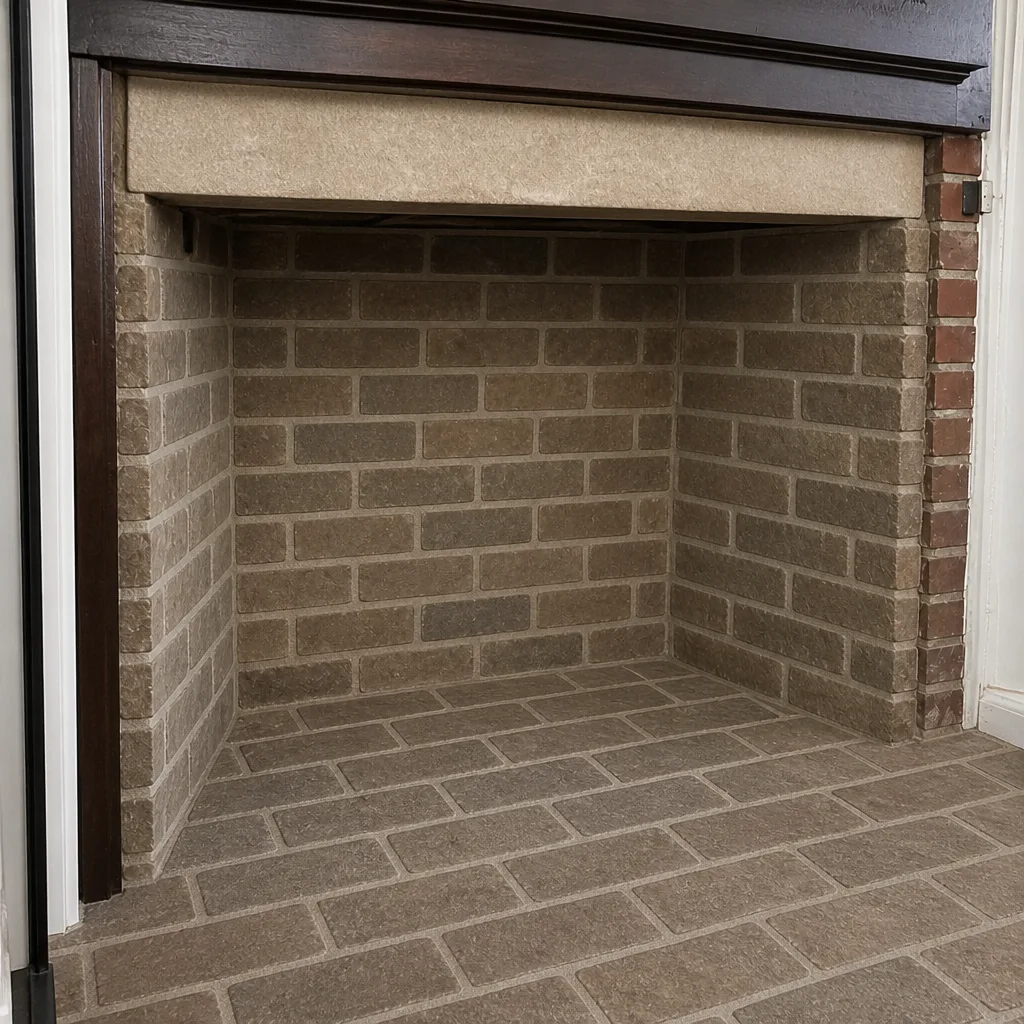
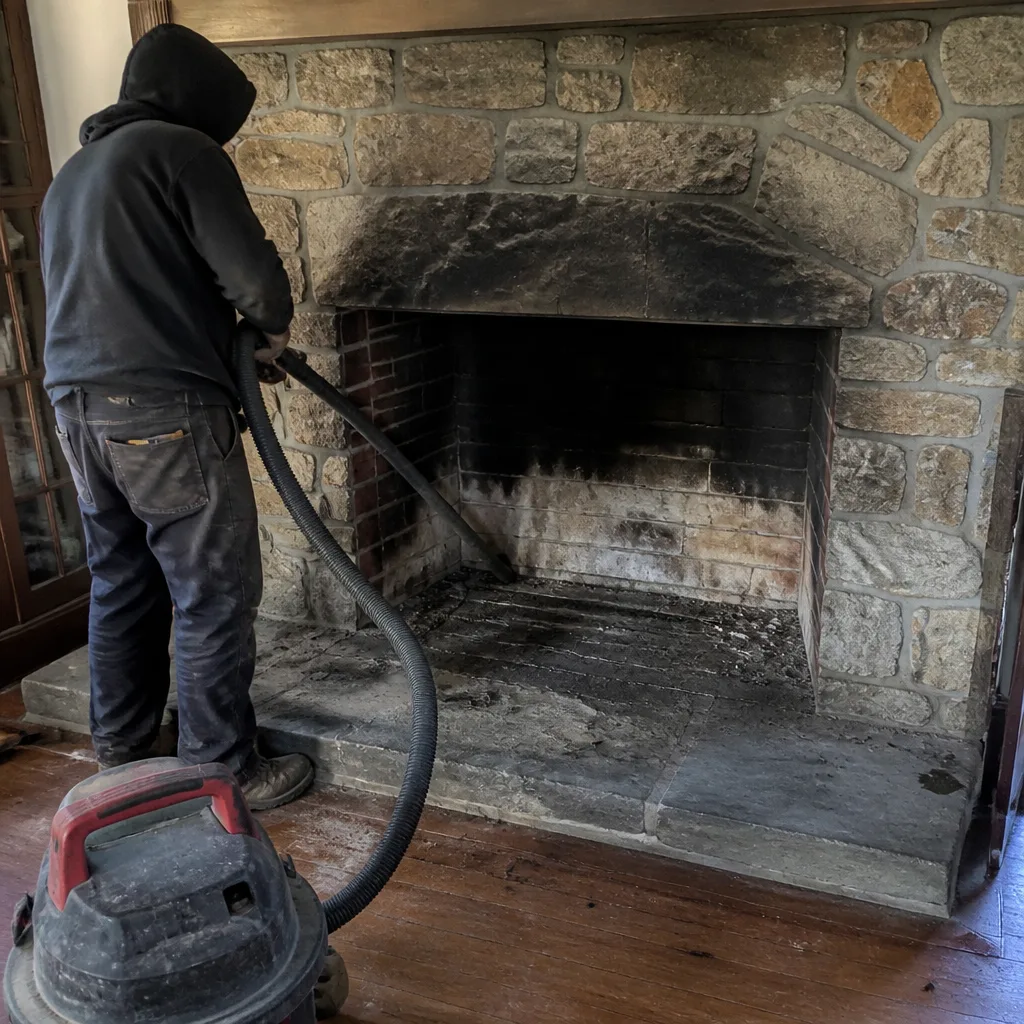
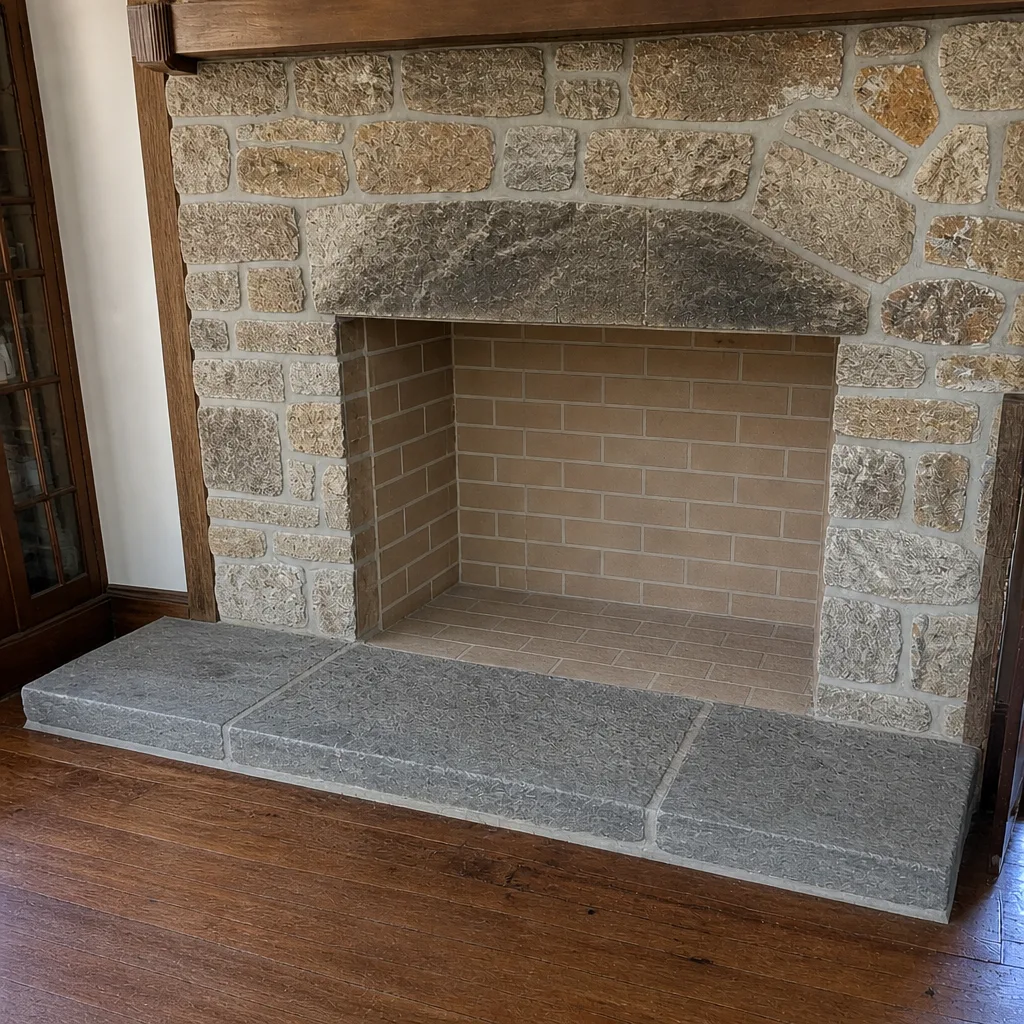
See the difference
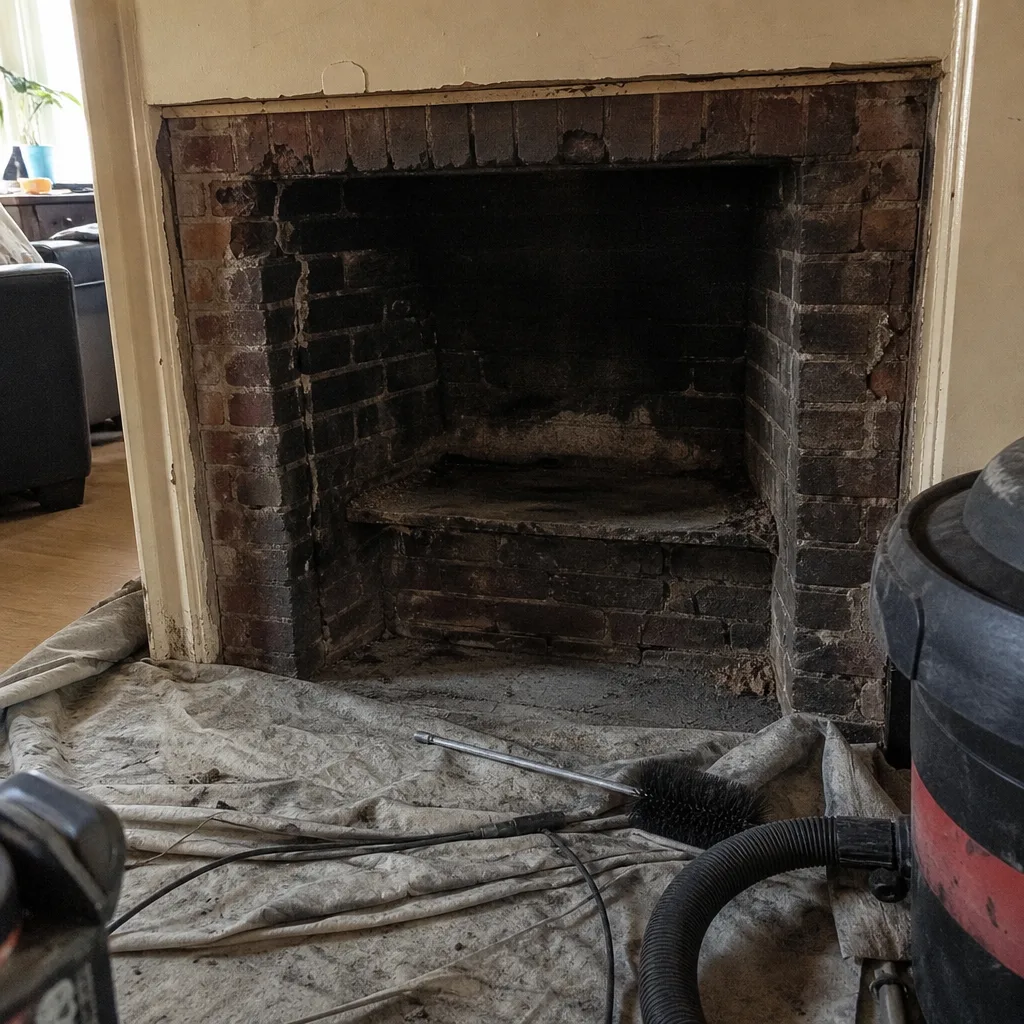 Before
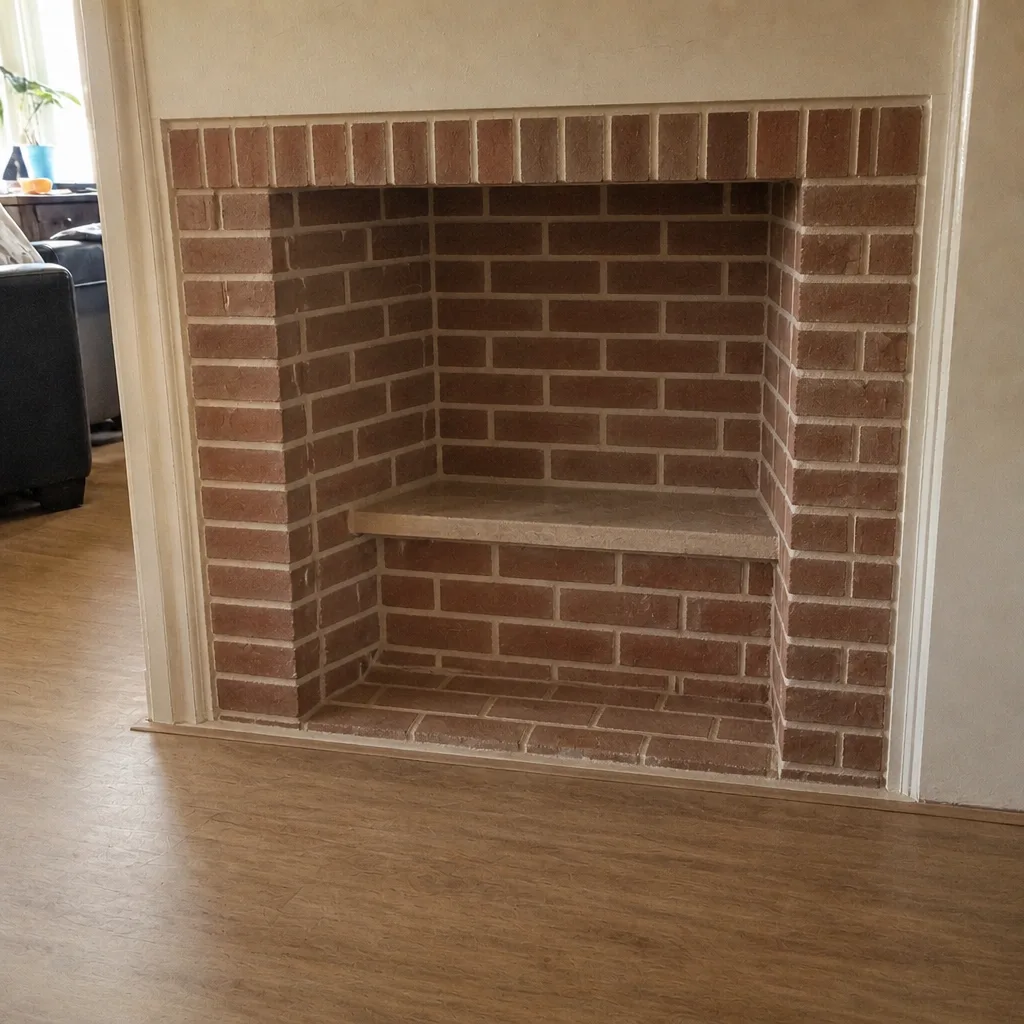 After
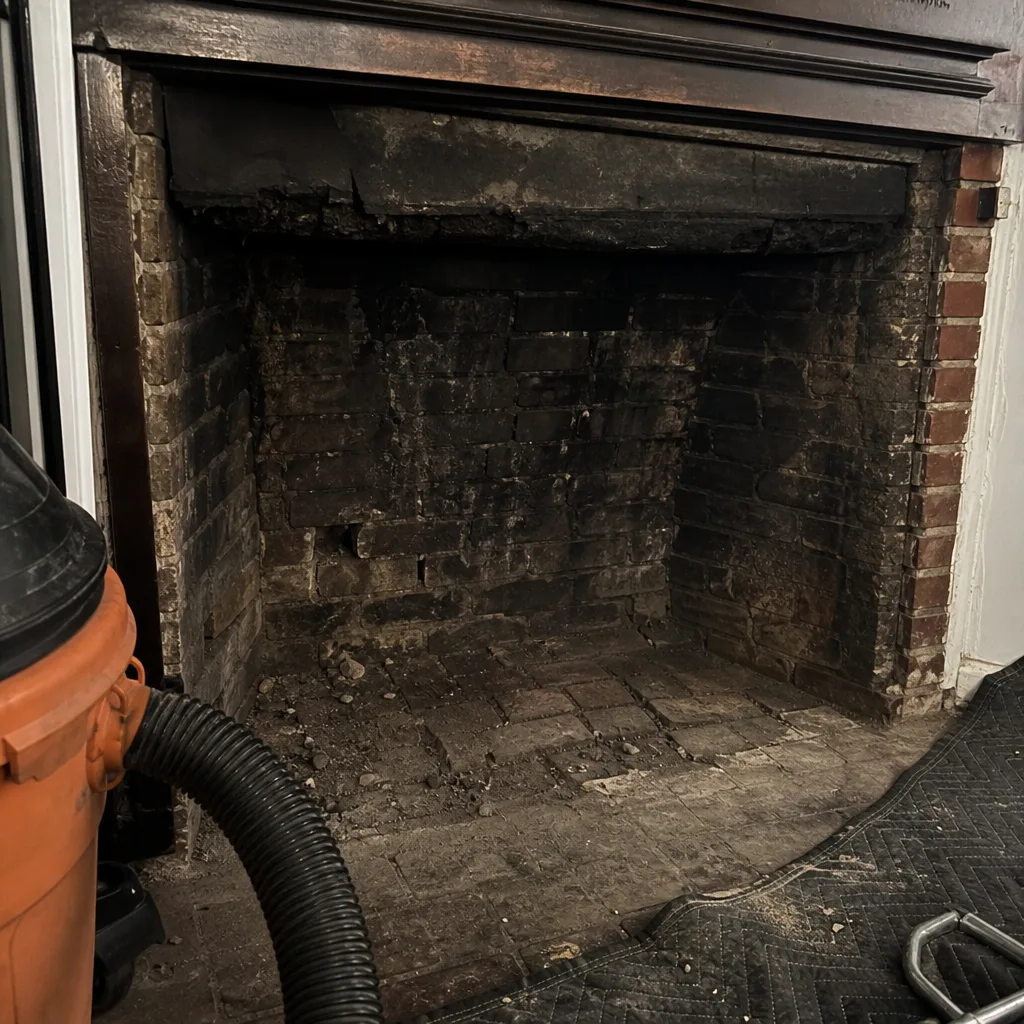 Before
 After
 Before
 After
When to Call a Professional
Call a professional before your first fire of the season if you haven’t had the chimney inspected in the last year, if you burned heavily last winter, if you’ve seen mortar or brick damage from the street, if the crown or cap looks compromised, or if you have any doubt about the flue. Call immediately if smoke enters the room, if you smell smoke when there’s no fire, or if the firebox shows visible cracks. Those are matters for a trained specialist, not a weekend project, since the work happens at height and the stakes include carbon monoxide. Chimney Sweep Bedford-Stuyvesant offers free estimates in Bedford-Stuyvesant, call (855) 724-0919. We answer 24/7. Fast dispatch from 7am to 7pm, Sunday through Friday.
Frequently Asked Questions
Once a year for a wood-burning fireplace with regular use, or whenever creosote buildup reaches a quarter-inch, whichever comes first. Gas inserts don’t accumulate creosote but still need an annual inspection. The best sweep window in Bedford-Stuyvesant is August through September, before the heating season begins. Call (855) 724-0919 to book a sweep at the time that works best for your chimney.
August and September are the best months for a Bedford-Stuyvesant home that burned wood all winter. Sweeping then gives you time to catch and complete any repair before heating season, avoids the October rush, and means the flue is clean and ready when you want the first fire. Call (855) 724-0919 for an exact quote, estimates are free.
Brooklyn’s winter cycles repeatedly between freezing and thawing, and each cycle pushes water deeper into mortar joints and hairline cracks, then expands it. Over a winter, that widens cracks that looked fine in November. By March, the mortar joints can be visibly receding or crumbly, which is why a late-winter street-level check is worth doing. Call (855) 724-0919 to schedule an inspection if you spot damage, estimates are free.
No, a sweep cleans the flue while an inspection assesses its condition, and they answer different questions. A sweep removes soot and creosote. An inspection checks the liner, parging, firebox, crown, and cap for damage a sweep can’t see. The best approach is the inspection first, so any cleaning or repair is based on evidence rather than a guess. Call (855) 724-0919 to schedule a standalone inspection, estimates are free.
A fall camera inspection catches structural issues and debris the summer sweep can’t see: flue tile cracks, parging failures, and any nesting or leaf accumulation that settled in after August. It also catches the condition of the flue’s interior from top to bottom, which a brush never evaluates. That means a safer first fire in October. Call (855) 724-0919 to book the inspection, estimates are free.
Yes, a gas insert needs an annual inspection even though it produces no creosote. Gas appliances can still produce carbon monoxide if venting is compromised, and the inspection confirms the vent path is intact. In Bedford-Stuyvesant, that inspection also covers the older masonry chimney the insert sits in, since the surrounding structure still takes on moisture. Call (855) 724-0919 for a free estimate on an inspection.
The Bottom Line
Year-round chimney care in Bedford-Stuyvesant isn’t about sweeping more often. It’s about matching the right task to the right season: a sweep and inspection in August or September, a freeze-thaw check in late winter, a parging and damper look in summer, and a cap and nesting inspection with a camera in fall. Each task belongs in its window for a reason. Get the order right and you catch problems while they’re cheap to fix, rather than after carbon monoxide is already moving through a crack. If you’re not sure where your chimney stands, start with a documented inspection and go from there. We supply and install only professional-grade chimney components from brands like DuraFlex, Copperfield, and Olympia Chimney, and we handle every part of the system under one responsibility. Call (855) 724-0919. We answer 24/7. Fast dispatch from 7am to 7pm, Sunday through Friday.
Written by the team at Chimney Sweep Bedford-Stuyvesant.